The $100K Earth Prize 2026: 17-year-olds from Kenya named Africa Winners for maize-based vehicle exhaust filter
JPG
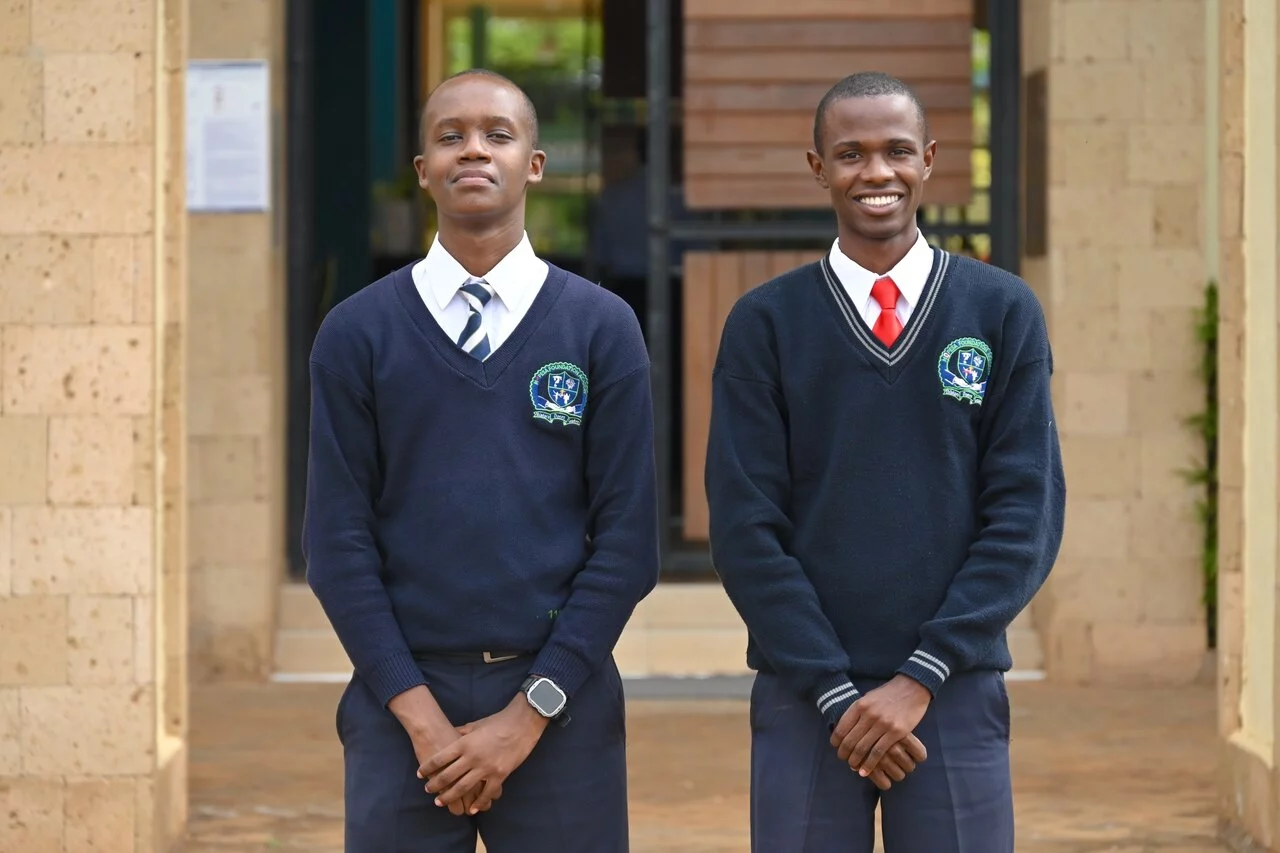
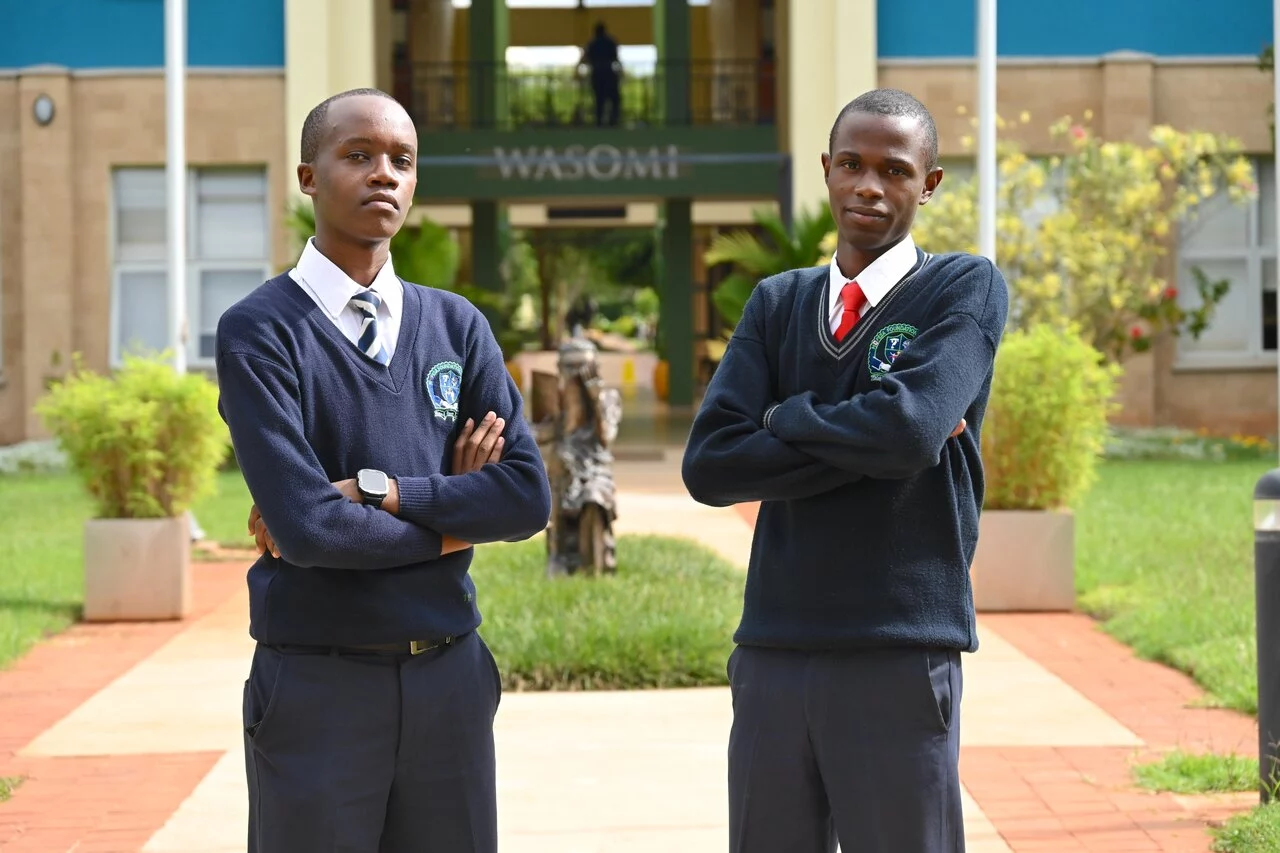
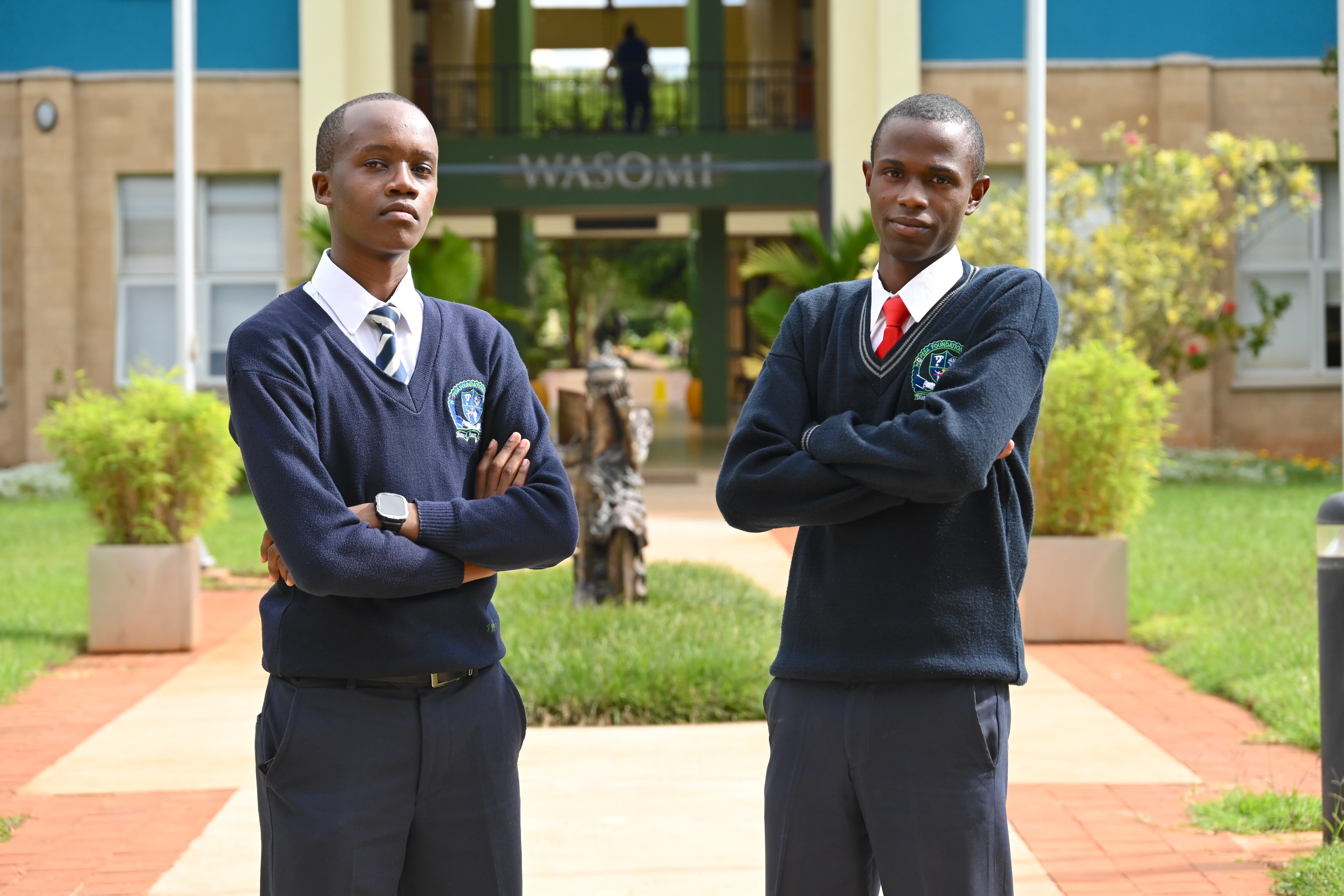
Image: Fredrick Kariuki and Miron Onsarigo, Team HewaSafi Innovators - Photo by Lemmuel Agina
The Earth Prize is the world’s largest environmental competition and ‘ideas incubator’ for 13-19-year-olds, empowering young people with mentorship and $100K funding
Africa Winners Hewasafi Innovators created a low-cost vehicle exhaust system that captures emissions using filters made of maize, coconut, agricultural waste and algae
Seven Winners will be announced each day this week, representing the regions of North America, Africa, Asia, Central and South America, Oceania and Southeast Asia, Europe and the Middle East
Each team receives $12.5K to develop and implement their idea for real life impact
A public vote opens soon to crown the Global Winner on 29 May
GENEVA, Switzerland, 12 May - In an effort to tackle rising air pollution in African urban areas, 17-year-olds Fredrick Njoroge Kariuki and Miron Onsarigo from Kenya have been named as the African Winners of The Earth Prize 2026. Their solution, HewaSafi (meaning ‘clean air’ in Swahili), is a low-cost vehicle exhaust system that captures harmful emissions using filters made from maize, agricultural waste, disposed batteries, coconut shells and algae.
The project was driven by Fredrick’s personal experience with a serious lung condition caused by air pollution. Across Africa, air pollution remains a significant health risk, contributing to an estimated1.1 million deathsin 2019, according to the World Health Organization. With vehicle emissions a major contributor in rapidly growing cities, the team was determined to prevent others from facing similar health impacts.
Fredrick explained:
I didn't choose this problem, it chose me. Growing up in Naivasha, my bronchitis got bad enough that I stopped thinking of air pollution as an environmental issue and started thinking of it as something being done to us. HewaSafi is our answer to that.
Miron added:
Back home in Kisumu, seeing people get sick from vehicle fumes was just... normal. But normal didn't feel right to me. I wanted to do something about it.
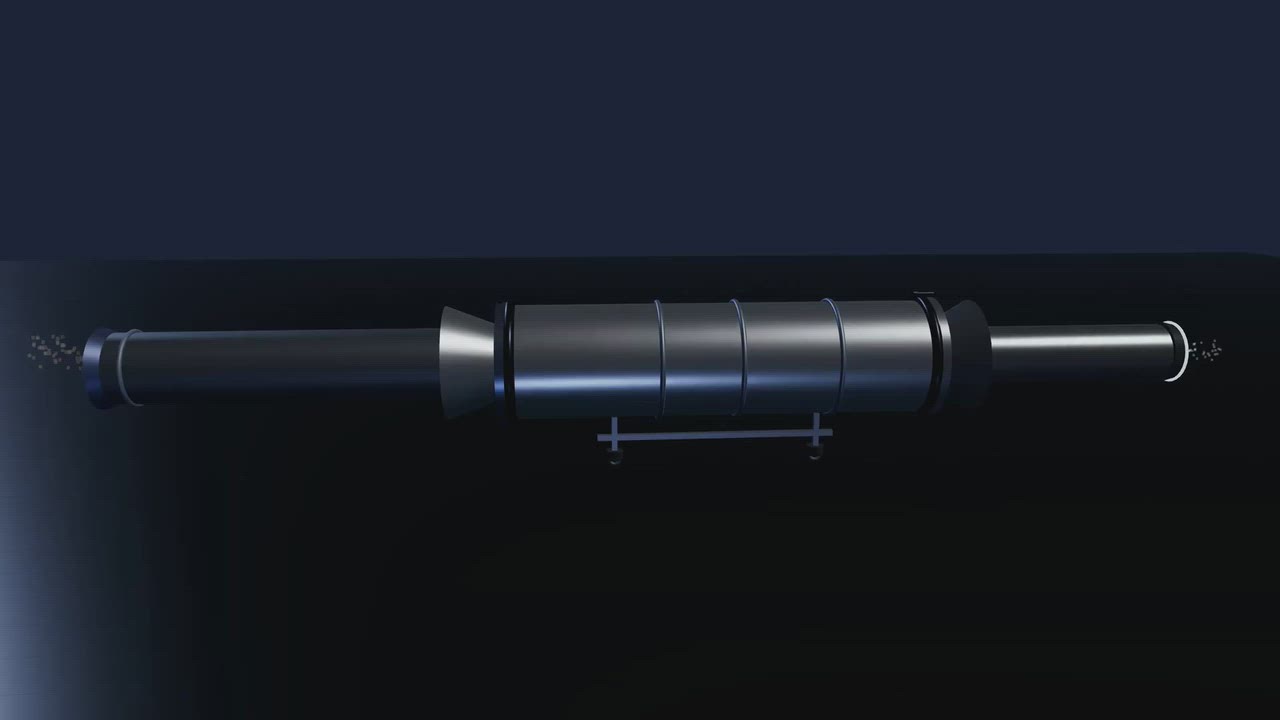
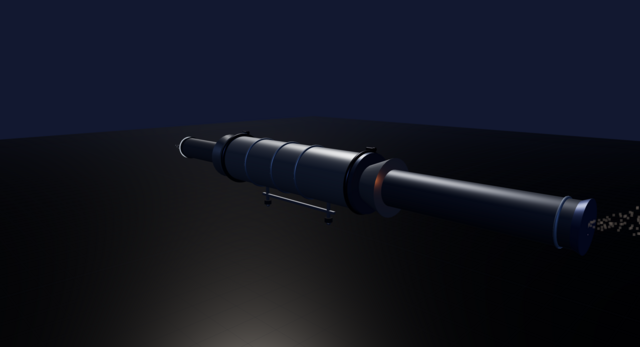
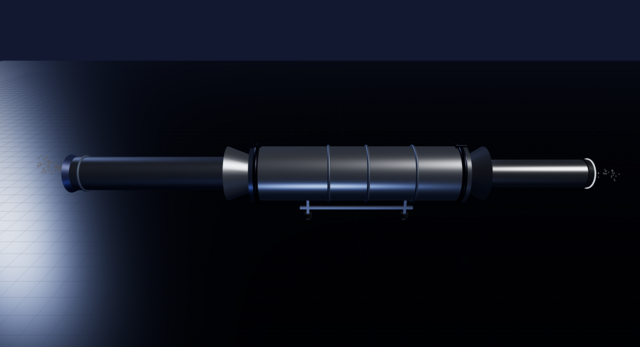
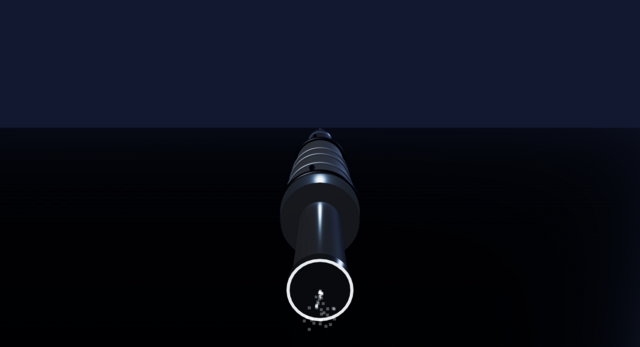
Hewasafi 3D prototype model - an interactive version is available here: https://hepss.netlify.app/
Designed as an affordable, multi-stage solution, HewaSafi uses materials like coconut shells and maize cobs alongside a living algae component to create a system that captures over 90% of particulate matter and reduces toxic CO2 and CO emissions. Unlike conventional exhaust purification systems, which are often expensive and prone to theft due to the value of their components, HewaSafi is built from low-cost, locally sourced materials.
png
png
png
Their prototype offers a sustainable, locally manufactured alternative, specifically designed for informal, high-density transport networks. It is tailored for vehicles such as matatus (shared minibuses) and boda bodas (motorcycle taxis), which form the backbone of everyday urban transport and account for a significant share of vehicle emissions across many African cities.
JPG
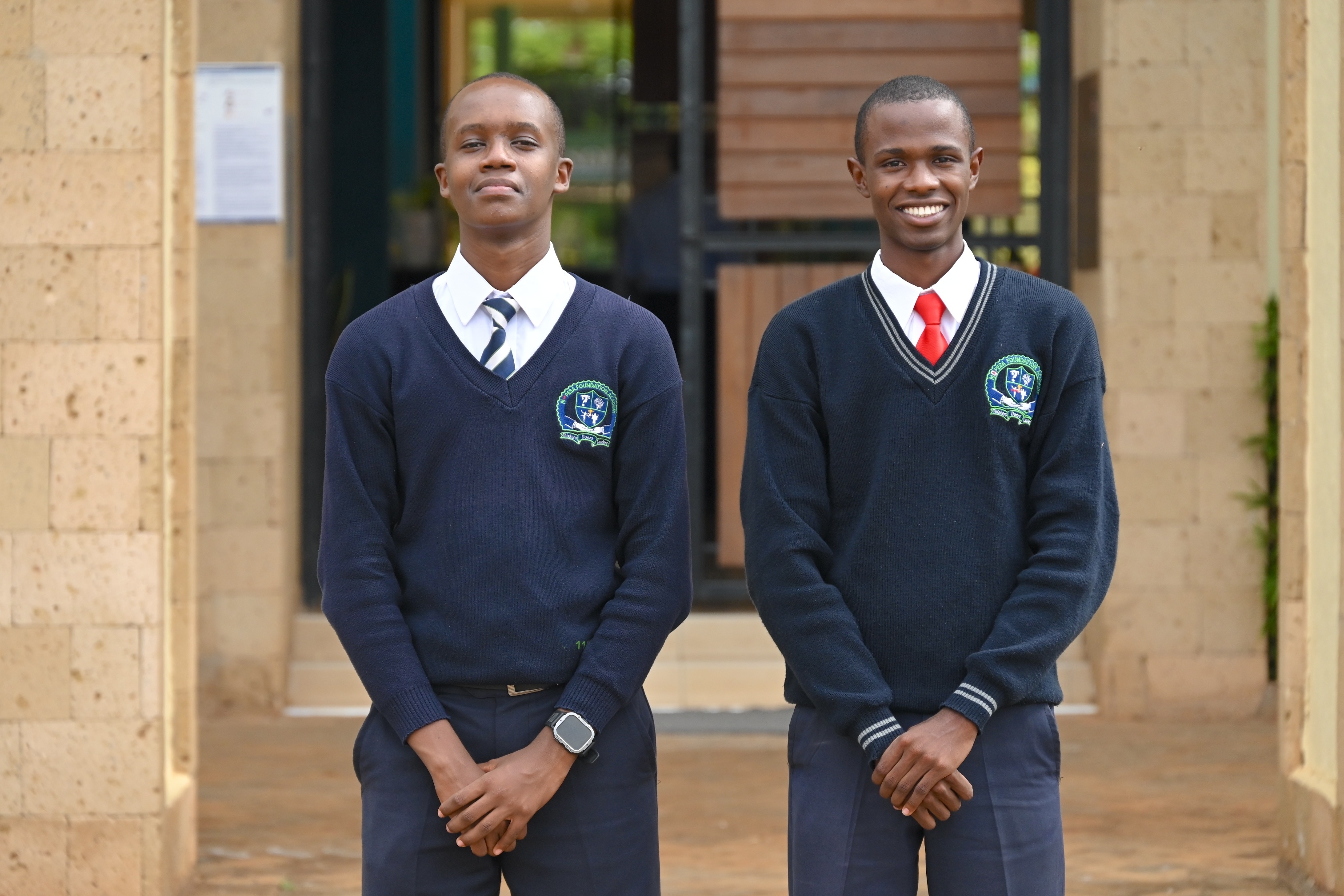
Image: Fredrick Kariuki and Miron Onsarigo, Team HewaSafi Innovators - Photo by Lemmuel Agina
The HewaSafi Innovators have already conducted pilot tests with a local matatu association. With the support, and now $12.5K of prize funding, from The Earth Prize, the team aims to refine the system and work with transport operators and industry partners to scale its adoption across urban areas, beginning with the Eastleigh Matatu SACCO, a cooperative of local minibus operators.
The next phase envisions a whole product family known as the HewaSafi Emission Control System, adapted to specific target audiences: HewaSafi Lite, HewaSafi Pro, and HewaSafi Mobile. The products will be available via installment payments in order to stay affordable for drivers.
Hewasafi Innovators explain their solution
Now in its fifth year, The Earth Prize has reached over 21,000 students across 169 countries and territories. Previous winners have been featured in leading international media including Forbes, Business Insider (US and Africa), The Irish Times, and UN Today, with several teams advancing their ideas through patents and corporate partnerships.
The Earth Prize is run by The Earth Foundation, a non-profit based in Geneva, Switzerland, founded during the School Strike for Climate in 2019. At a time when climate anxiety affects a majority of young people - 59% reporting they are very or extremely worried about the environment - the Prize provides a pathway from concern to action, equipping students with the tools to develop tangible, real-world solutions.
Peter McGarry, Founder of The Earth Foundation, commented on this year’s competition:
The Earth Prize winners 2026 represent seven outstanding teams across seven global regions, each tackling environmental challenges with distinct and impactful solutions. Once again, these young innovators demonstrate that age is no barrier to meaningful change. Their work reflects a powerful combination of creativity, determination and a deep understanding of the communities they serve.
Public voting for the Global Winner opens on Monday 18 May, the day after the final Regional Winner is announced. Cast your vote on The Earth Prize website: www.theearthprize.org/vote.
The Earth Prize 2026 awards $12.5K to Brazilian students for inventing HADA, a plant-based, eco-friendly bandage reducing plastic waste in healthcare. Vote for the Global Winner!
The Earth Prize 2026 awards $12.5K to Helena do Rego for SargaTex PR, turning Puerto Rico’s sargassum seaweed into eco-friendly, biodegradable biofabric. Vote for the Global Winner!
Indian teens named Asia Winners of The Earth Prize 2026 for Plas-Stick, a tamarind powder that removes microplastics from water. Vote for the Global Winner!
The Earth Prize 2026 names Gazan sisters as Middle East Winners for eco-friendly rubble bricks, supporting youth-led innovation and sustainable rebuilding. Vote for the Global Winner!
Connect with our media team
Our team is here to help you craft stories that go beyond press releases - tailored, human-led features. Request an exclusive interview with The Earth Prize winners or founder Peter McGarry, get access to our insights on youth eco-anxiety, or brainstorm a feature idea with us.