The $100K Earth Prize 2026: 16-year-olds from India named Asia Winners for magnetic tamarind powder that removes microplastics from water
jpeg
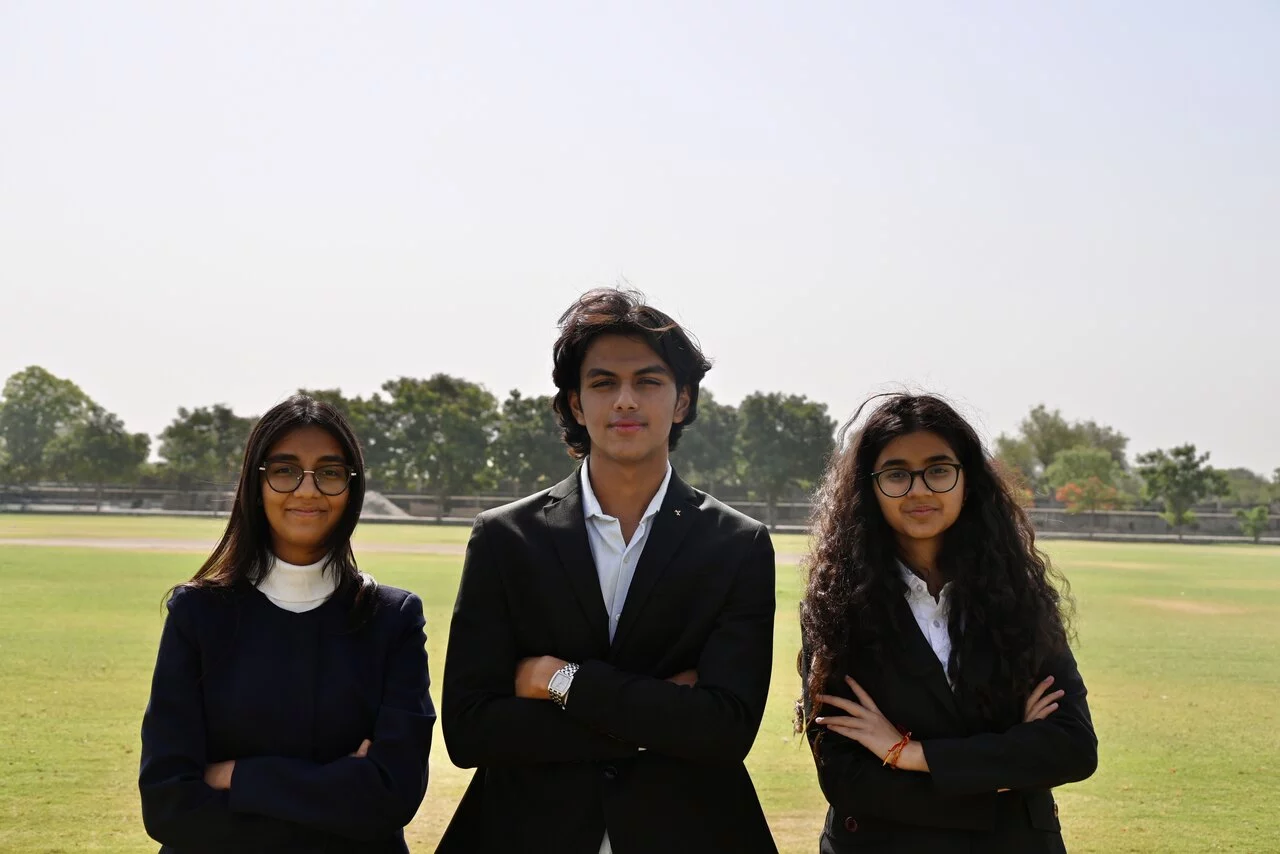
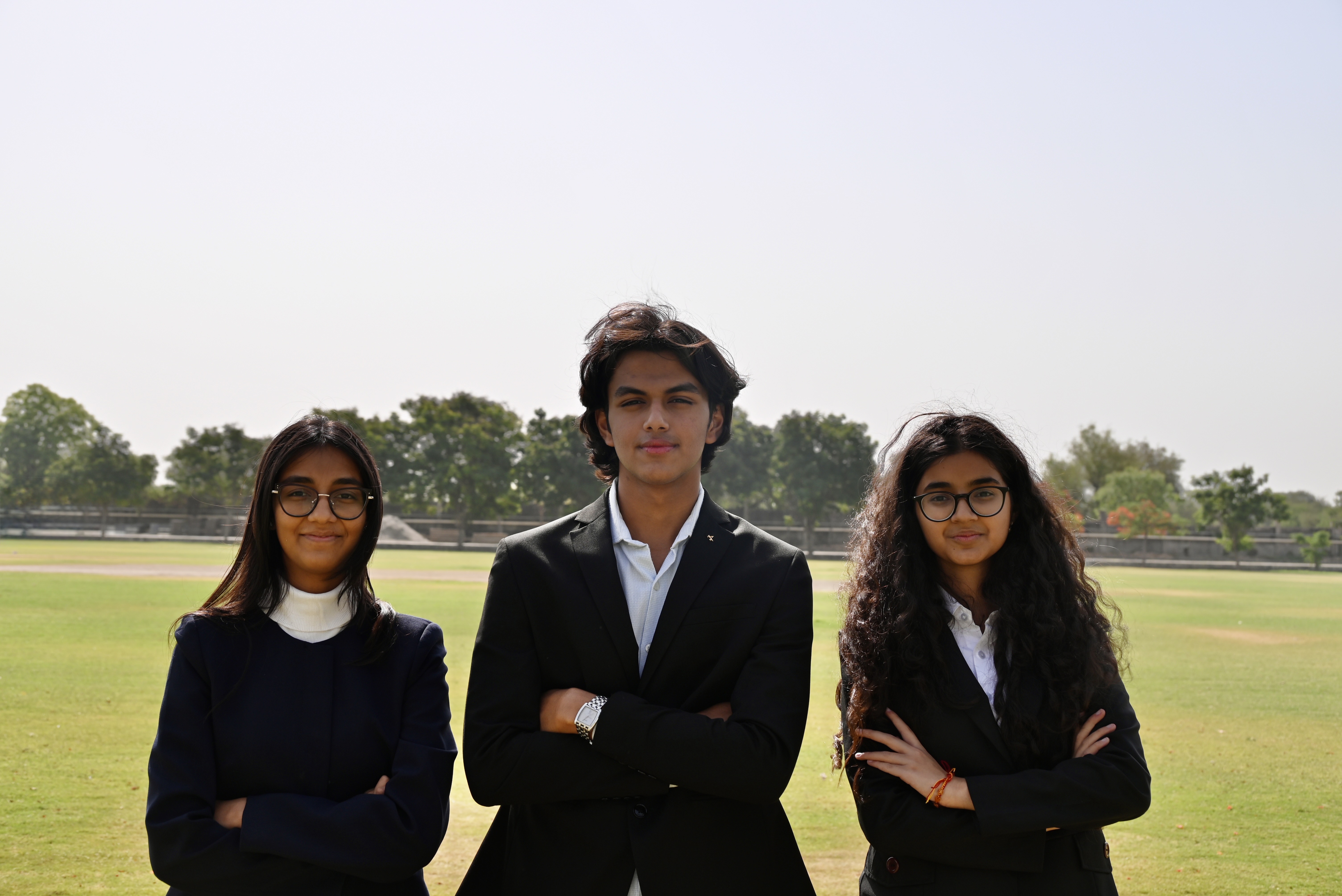
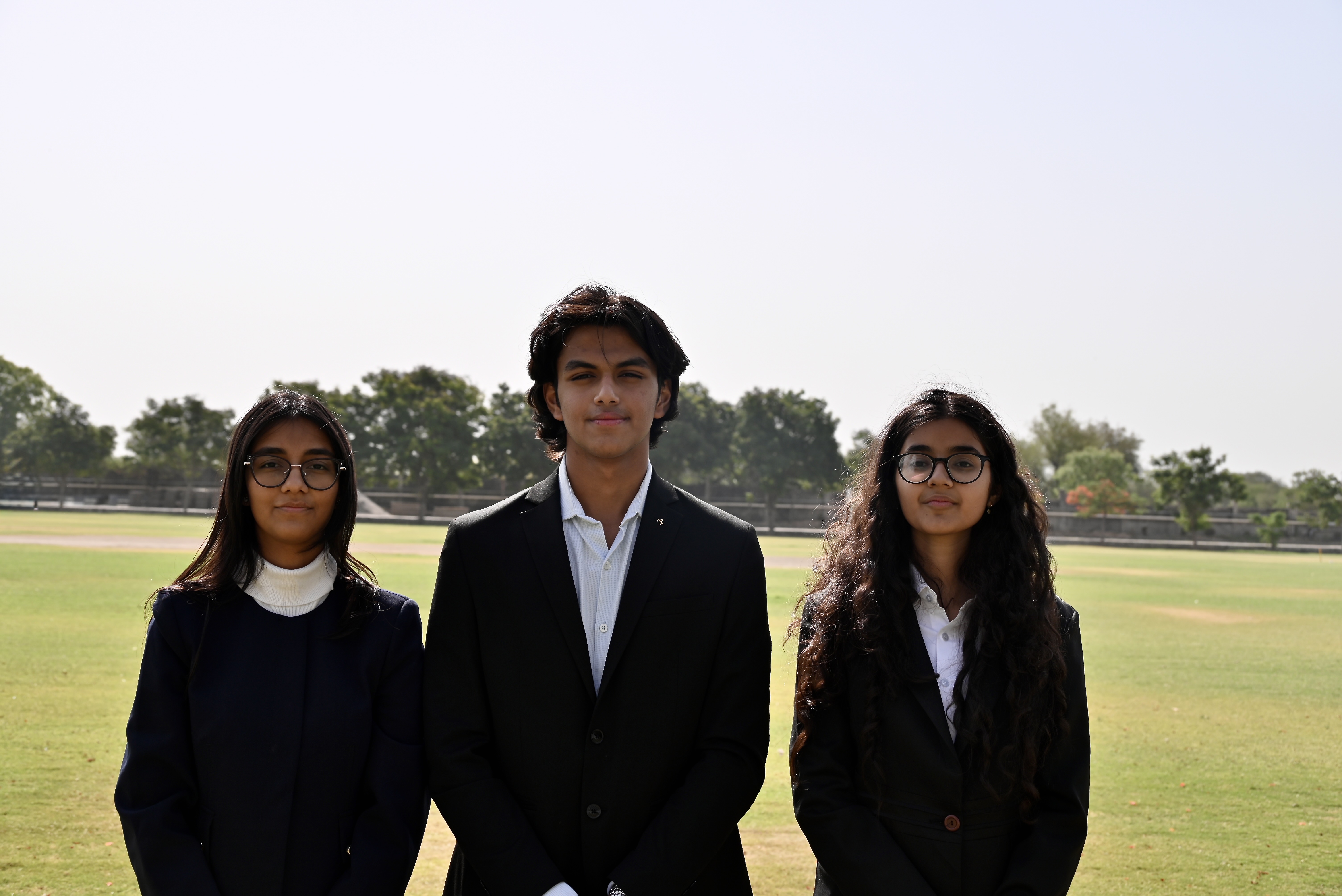
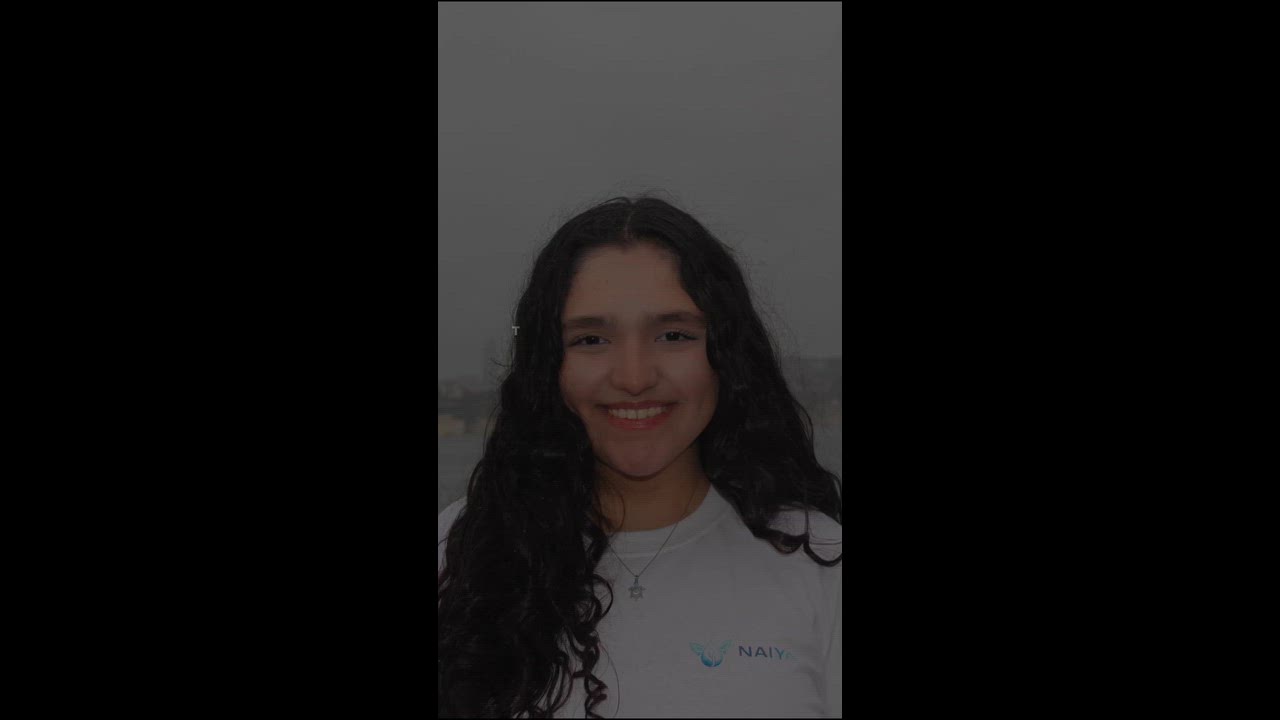
Team Plas-Stick - Avyana Mehta, Vivaan Chhawchharia, Ariana Agarwal
The Earth Prize is the world’s largest environmental competition and ‘ideas incubator’ for 13-19-year-olds, empowering young people with mentorship and $100K funding
Asia Winners Plas-Stick have created a powder from waste tamarind seeds that clumps microplastics for easy removal with a handheld magnet
Seven Winners will be announced each day this week, representing the regions of North America, Africa, Asia, Central and South America, Oceania and Southeast Asia, Europe and the Middle East
Each team receives $12.5K to develop and implement their idea for real life impact
A public vote opens soon to crown the Global Winner on 29 May
GENEVA, Switzerland, 14 May - In an effort to tackle the growing threat of microplastic contamination in drinking water, 16-year-olds Vivaan Chhawchharia, Ariana Agarwal and Avyana Mehta from India have been named as the Asia Winners of The Earth Prize 2026. Their solution, Plas-Stick, is a powder from waste tamarind seeds that attracts microplastics, causing them to clump together so they can be removed with a handheld magnet.
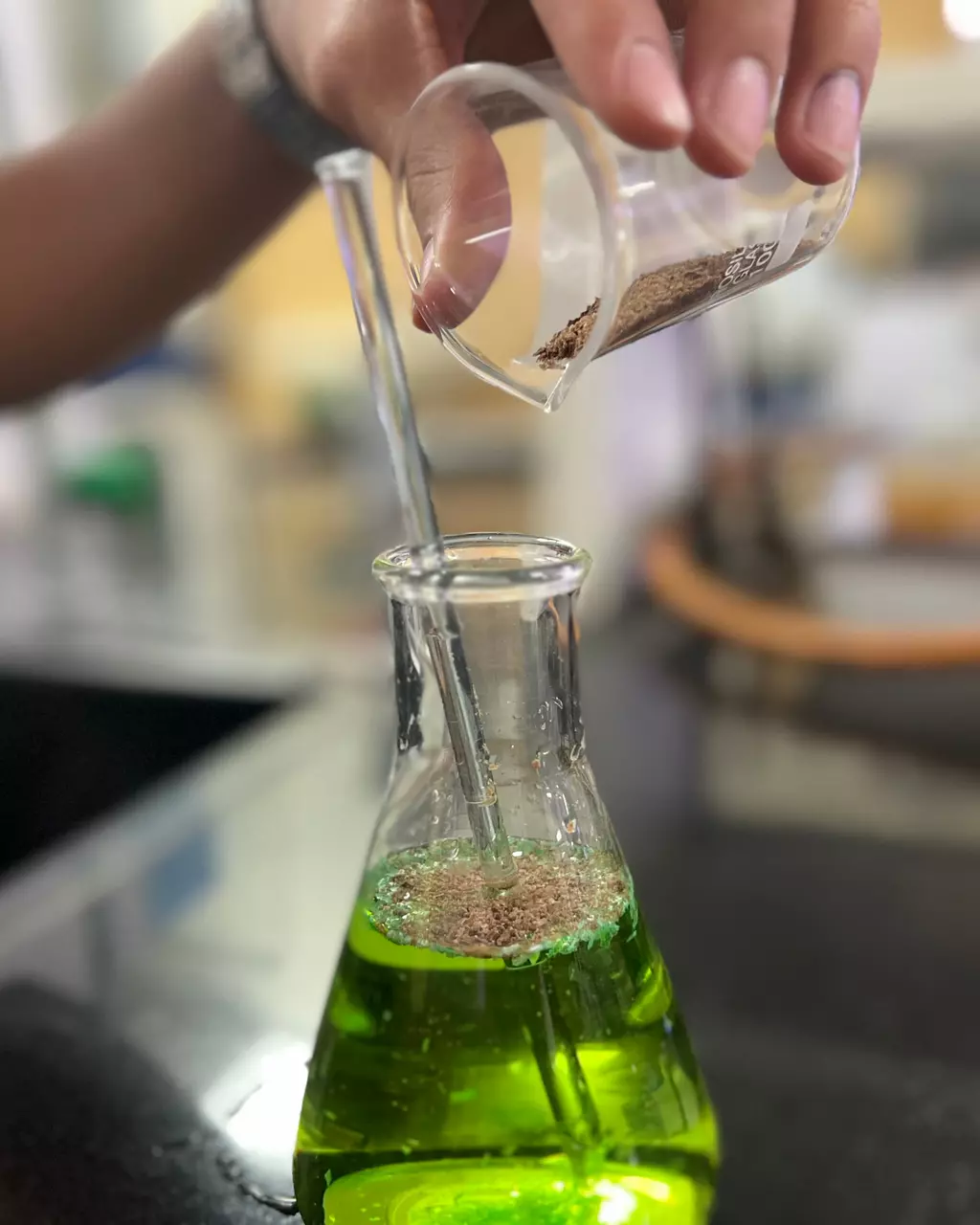
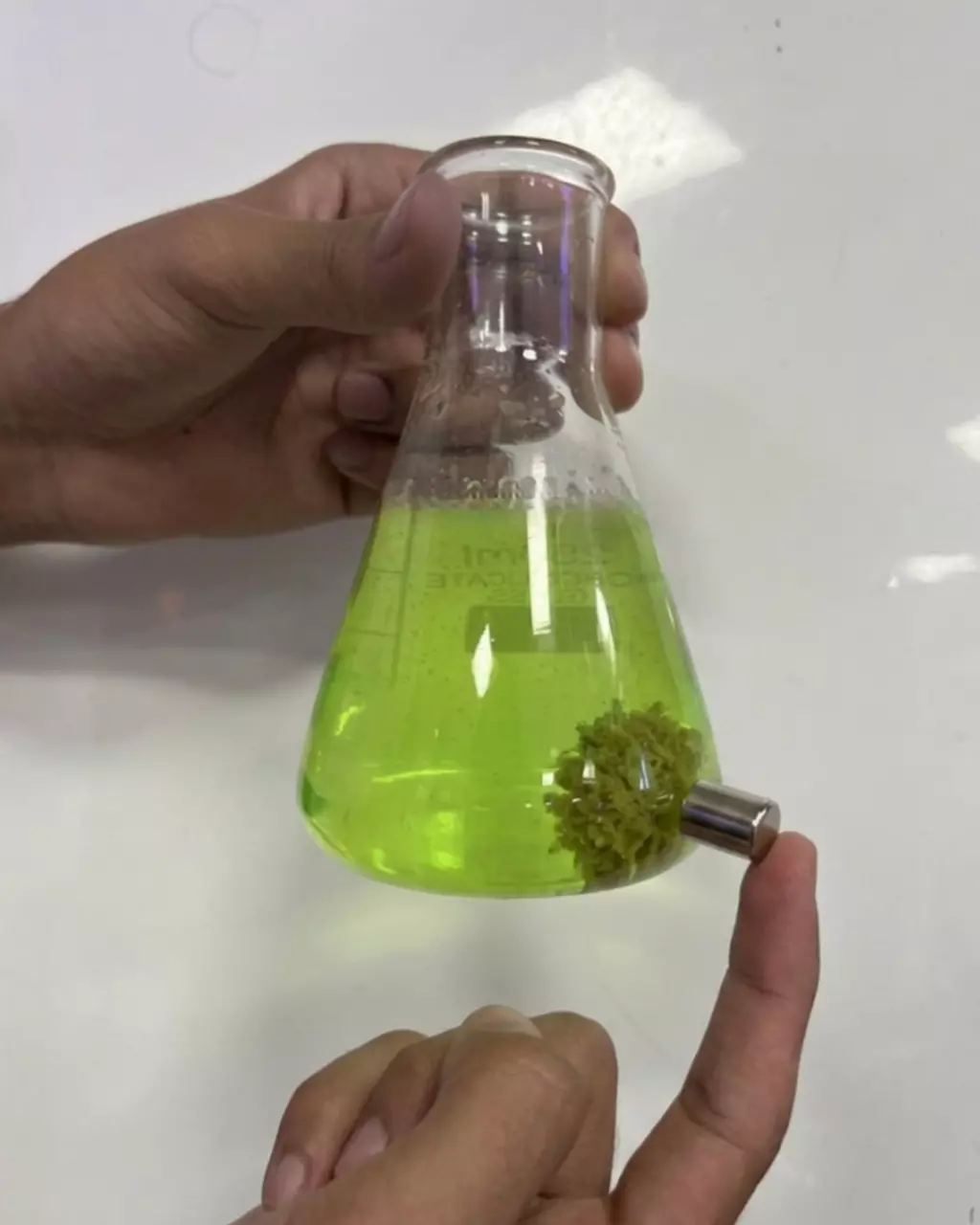
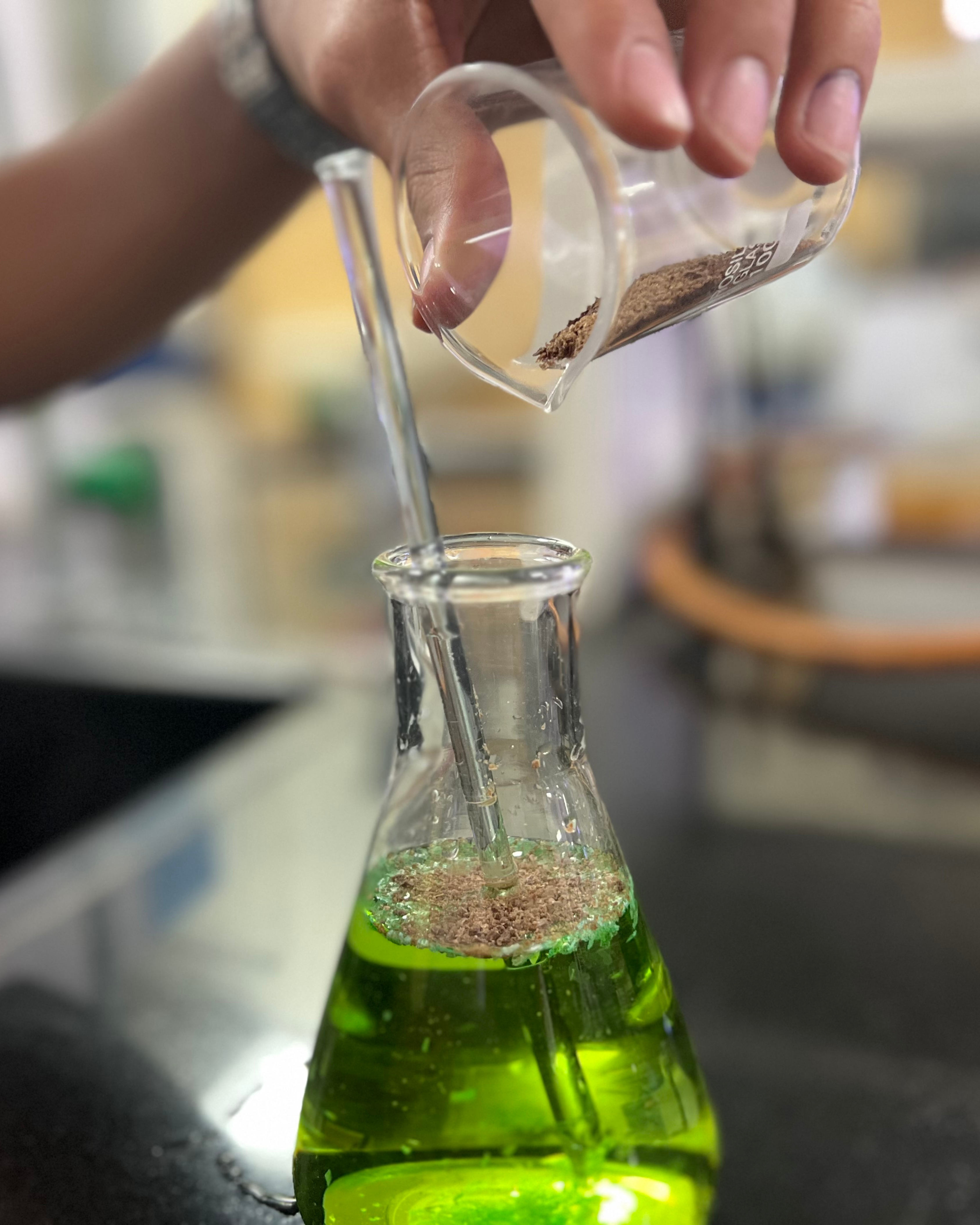
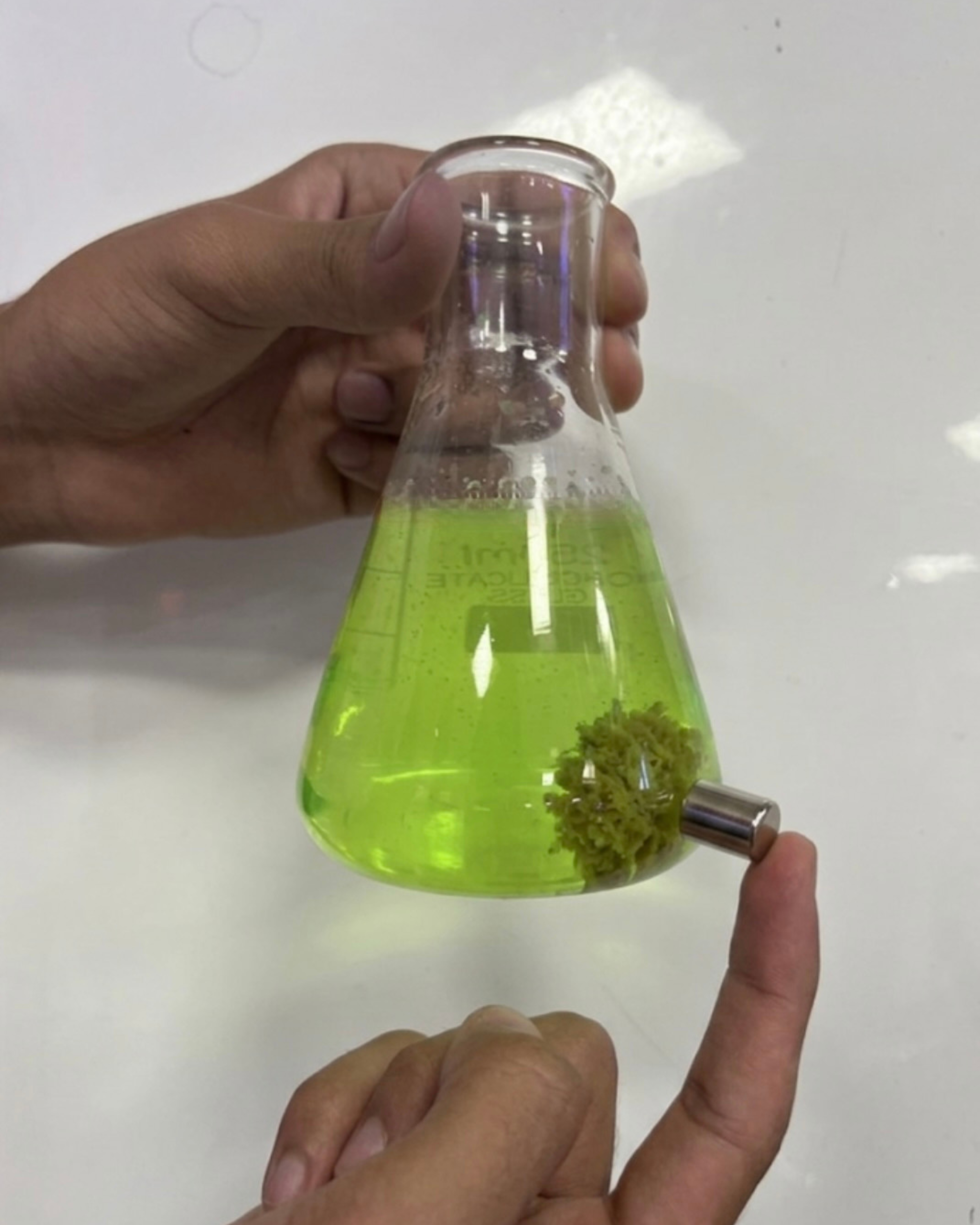
Designed for use in shared water containers, the biodegradable powder binds invisible plastic particles into visible clumps that can then be easily removed with a handheld magnet, offering a simple and low-cost alternative to complex filtration systems.
png
Demonstration - Adding the tamarind-based powder to water (dyed green for visibility)
png
Demonstration - Handheld magnet attracts formed clumps
The idea was sparked by the team’s studies in environmental science and a visit to a rural community, where they observed how drinking water is often stored in shared containers without access to advanced filtration systems.
During this visit, seeing a child drink from one of these containers highlighted exposure to microplastics through everyday drinking water, particularly in underserved rural communities in India. Globally, over 2.2 billion people lack safely managed drinking water infrastructure, increasing reliance on stored water that may contain microplastics.
jpeg
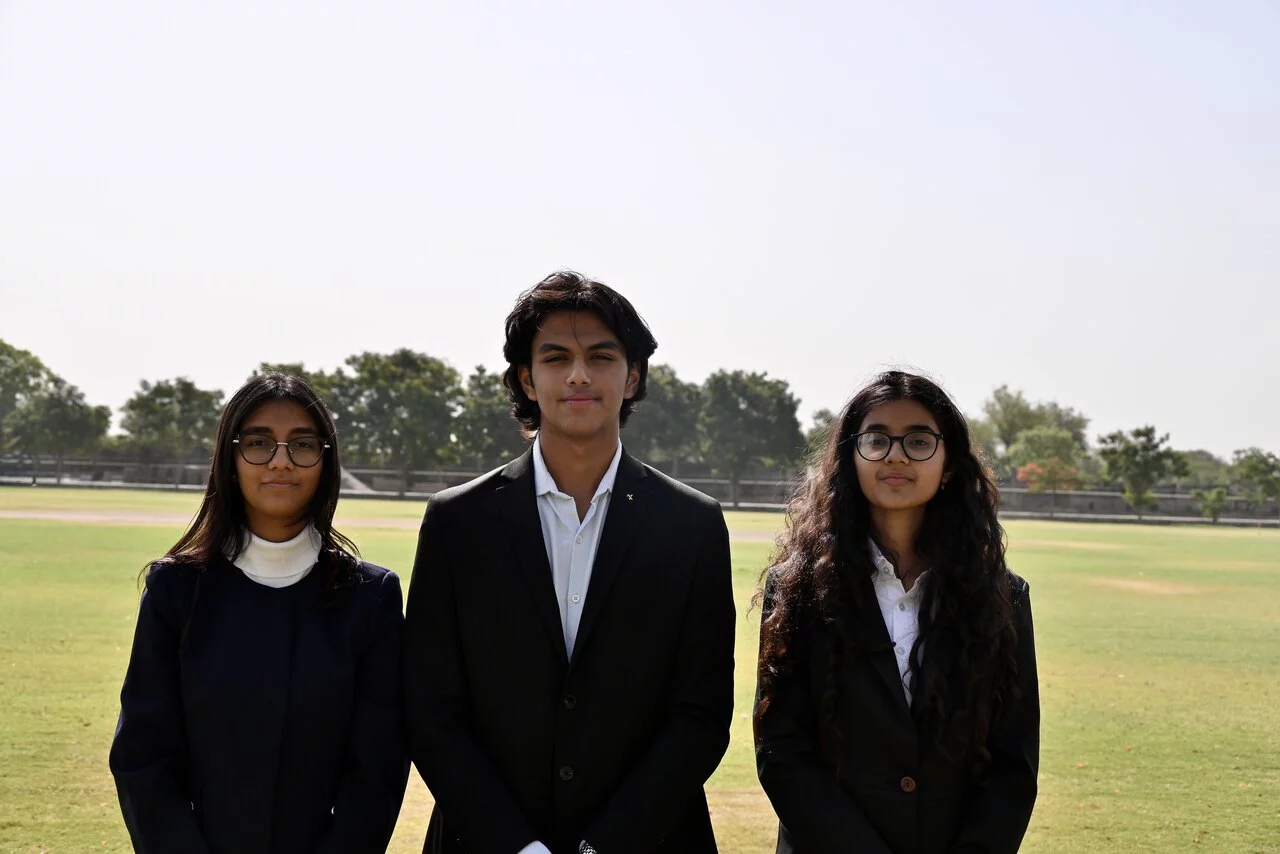
Team Plas-Stick Avyana Mehta, Vivaan Chhawchharia, Ariana Agarwal
Determined to create a solution that is both effective and accessible, the team developed a system that requires no electricity or complex infrastructure. Already deployed, Plas-Stick has reached and educated over 8,000 students and teachers so far, as well as been advised by professionals such as Dr. Rajesh Khandelwal.
With the support, and now $12.5K of prize funding, from The Earth Prize, the team aims to scale the solution through decentralised production hubs and expand to rural communities across India, making safer drinking water more accessible across rural Indian communities and beyond.
Vivaan, Avyana and Ariana explained further:
Winning The Earth Prize is incredibly meaningful for us, because it validates a problem that is often invisible but affects communities across India every day. Plas-Stick was designed to be simple, affordable and accessible, and this support allows us to take it beyond pilot schools and scale it to many more communities that need it most!.
Now in its fifth year, The Earth Prize has reached over 21,000 students across 169 countries and territories. Previous winners have been featured in leading international media including Forbes, Business Insider (US and Africa), The Irish Times, and UN Today, with several teams advancing their ideas through patents and corporate partnerships.
Plas-Stick explain their project for the voting stage
The Earth Prize is run by The Earth Foundation, a non-profit based in Geneva, Switzerland, founded during the School Strike for Climate in 2019. At a time when climate anxiety affects a majority of young people - 59% reporting they are very or extremely worried about the environment - the Prize provides a pathway from concern to action, equipping students with the tools to develop tangible, real-world solutions.
Peter McGarry, Founder of The Earth Foundation, commented on this year’s competition:
The Earth Prize winners 2026 represent seven outstanding teams across seven global regions, each tackling environmental challenges with distinct and impactful solutions. Once again, these young innovators demonstrate that age is no barrier to meaningful change. Their work reflects a powerful combination of creativity, determination and a deep understanding of the communities they serve.
Public voting for the Global Winner opens on Monday 18 May, the day after the final Regional Winner is announced. Cast your vote on The Earth Prize website: www.theearthprize.org/vote.
The Earth Prize 2026 awards $12.5K to Brazilian students for inventing HADA, a plant-based, eco-friendly bandage reducing plastic waste in healthcare. Vote for the Global Winner!
The Earth Prize 2026 awards $12.5K to Helena do Rego for SargaTex PR, turning Puerto Rico’s sargassum seaweed into eco-friendly, biodegradable biofabric. Vote for the Global Winner!
The Earth Prize 2026 names Gazan sisters as Middle East Winners for eco-friendly rubble bricks, supporting youth-led innovation and sustainable rebuilding. Vote for the Global Winner!
Connect with our media team
Our team is here to help you craft stories that go beyond press releases - tailored, human-led features. Request an exclusive interview with The Earth Prize winners or founder Peter McGarry, get access to our insights on youth eco-anxiety, or brainstorm a feature idea with us.