The $100K Earth Prize 2026: 17-year-old Brazilians named Central and South America Winners for biodegradable aloe and chamomile bandages
jpeg
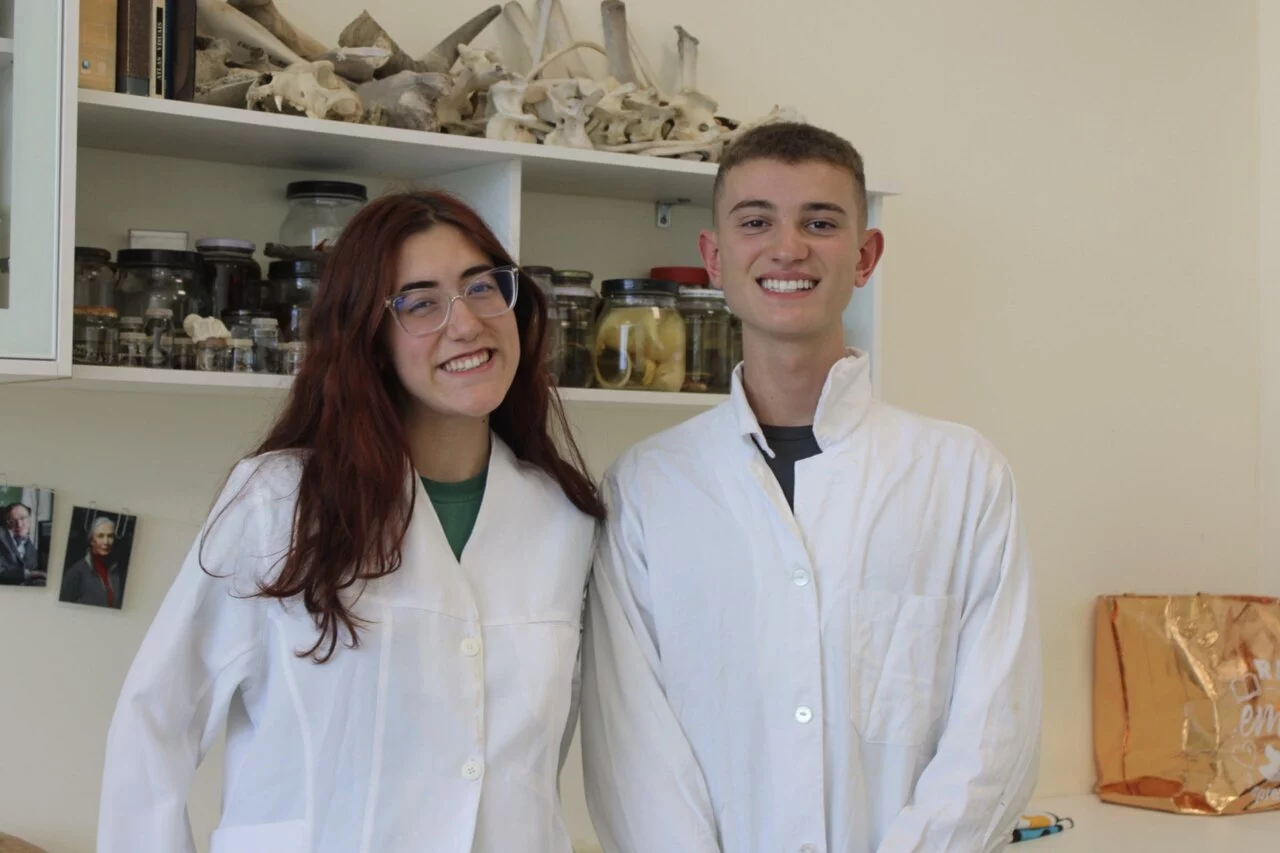
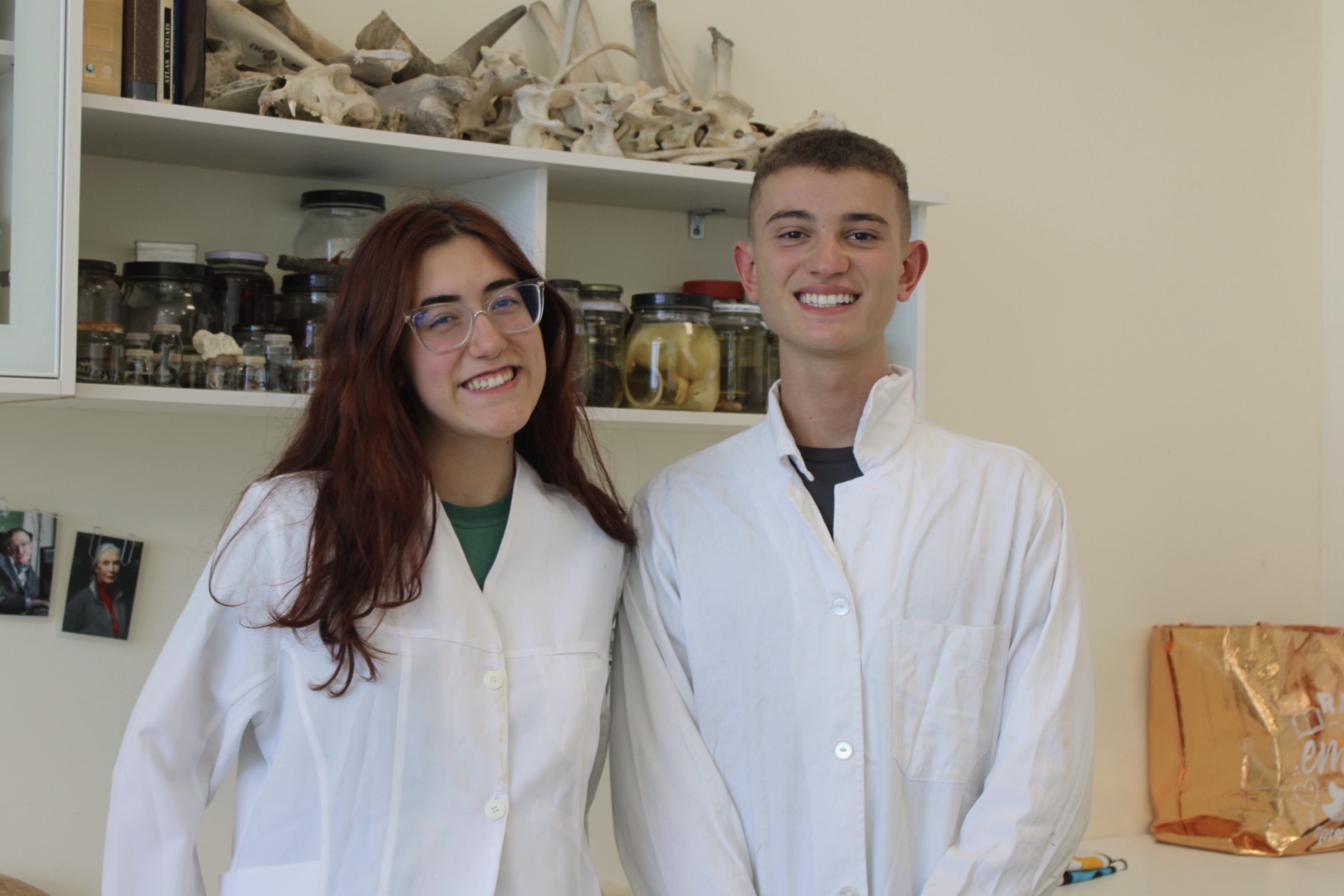
Ísis Valentin and Bernardo Mattos Renner
The Earth Prize is the world’s largest environmental competition and ‘ideas incubator’ for 13-19-year-olds, empowering young people with mentorship and $100K funding
17-year-olds Bernardo Renner and Ísis Valentin created a biodegradable aloe vera and chamomile dressing that replaces plastic bandages and supports natural healing
Seven Winners will be announced each day this week, representing the regions of North America, Africa, Asia, Central and South America, Oceania and Southeast Asia, Europe and the Middle East
Each team receives $12.5K to develop and implement their idea for real life impact
A public vote will crown the Global Winner on 29 May
GENEVA, Switzerland, 17 May - In an effort to tackle plastic waste in healthcare, 17-year-olds Bernardo Renner and Ísis Valentin from Brazil have been named the Central & South America Winners of The Earth Prize 2026. Their solution, HADA, is a biodegradable dressing made from aloe vera and chamomile to support healing and replace conventional plastic bandages.
The idea for Hada began on the volleyball court. As active players, Bernardo and Ísis were used to frequent cuts and injuries, often treated at school with basic first aid that simply covered wounds without supporting recovery. This personal frustration led them to explore better solutions, which soon expanded into a wider global challenge: an estimated 2.2 billion plastic bandages were discarded in 2023 alone, contributing to microplastic pollution and offering limited medical benefit.
jpeg
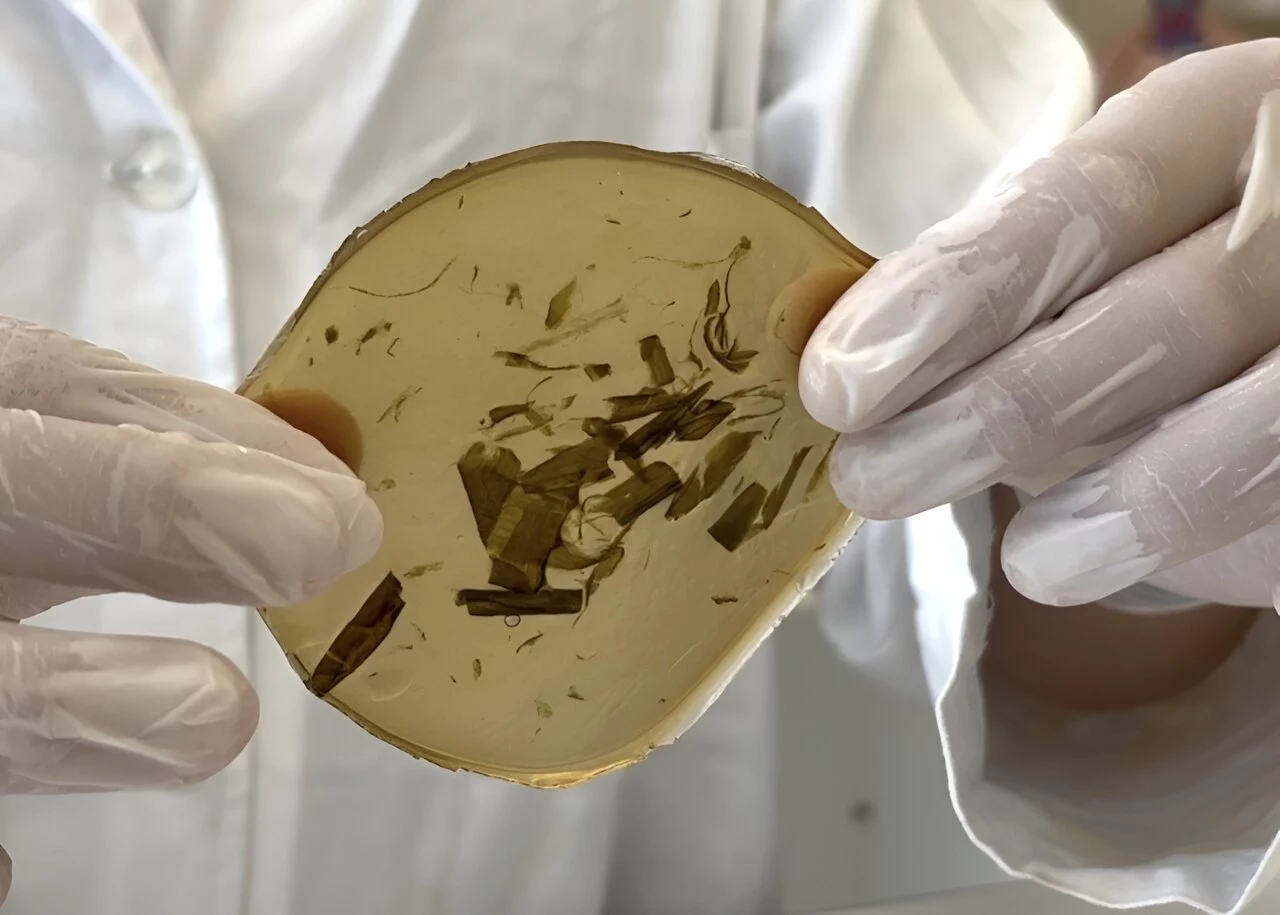
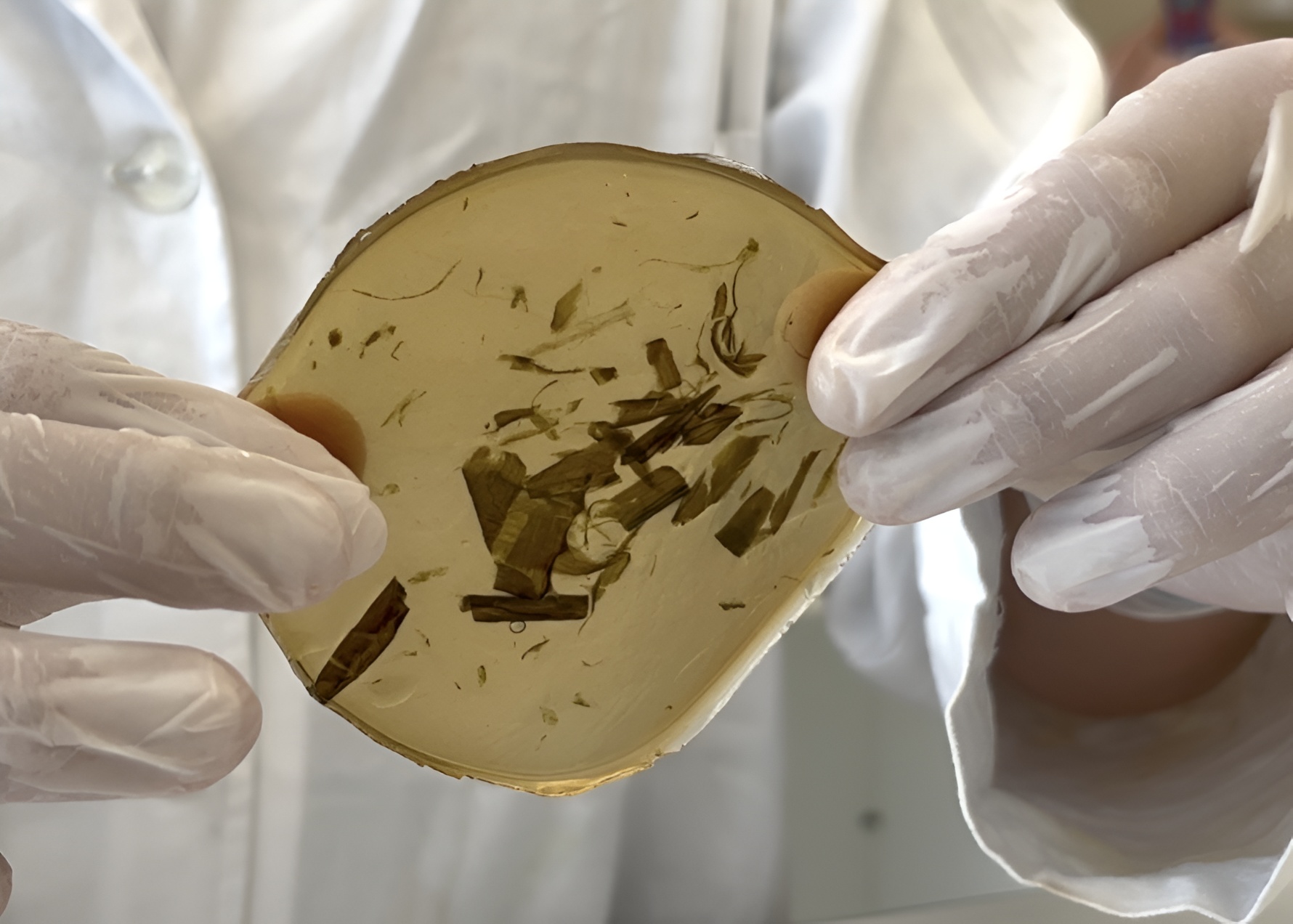
HADA - demonstration of the testing phase and prototype creation
In response, they developed a plant-based bio-dressing using aloe vera and camomile, combining their well-established antibacterial, anti-inflammatory, and regenerative properties into a single material. Unlike conventional plastic bandages, which merely cover wounds and contribute to microplastic pollution, HADA actively promotes tissue repair while remaining fully biodegradable, breaking down in soil within 48 hours. Designed using accessible, locally sourced ingredients, the solution is scalable and environmentally sustainable.
Already developed into working prototypes, Hada has demonstrated strong adhesion, flexibility, and antimicrobial performance in early testing. The team has produced four research papers and is now seeking a robust laboratory structure and advancing regulatory pathways, working alongside several experts: Instituto Caldeira, one the largest innovation hubs in south Brazil, Prado Tech in Gravataí, and Carlos Johannpeter, a renowned Brazilian entrepreneur.
jpg
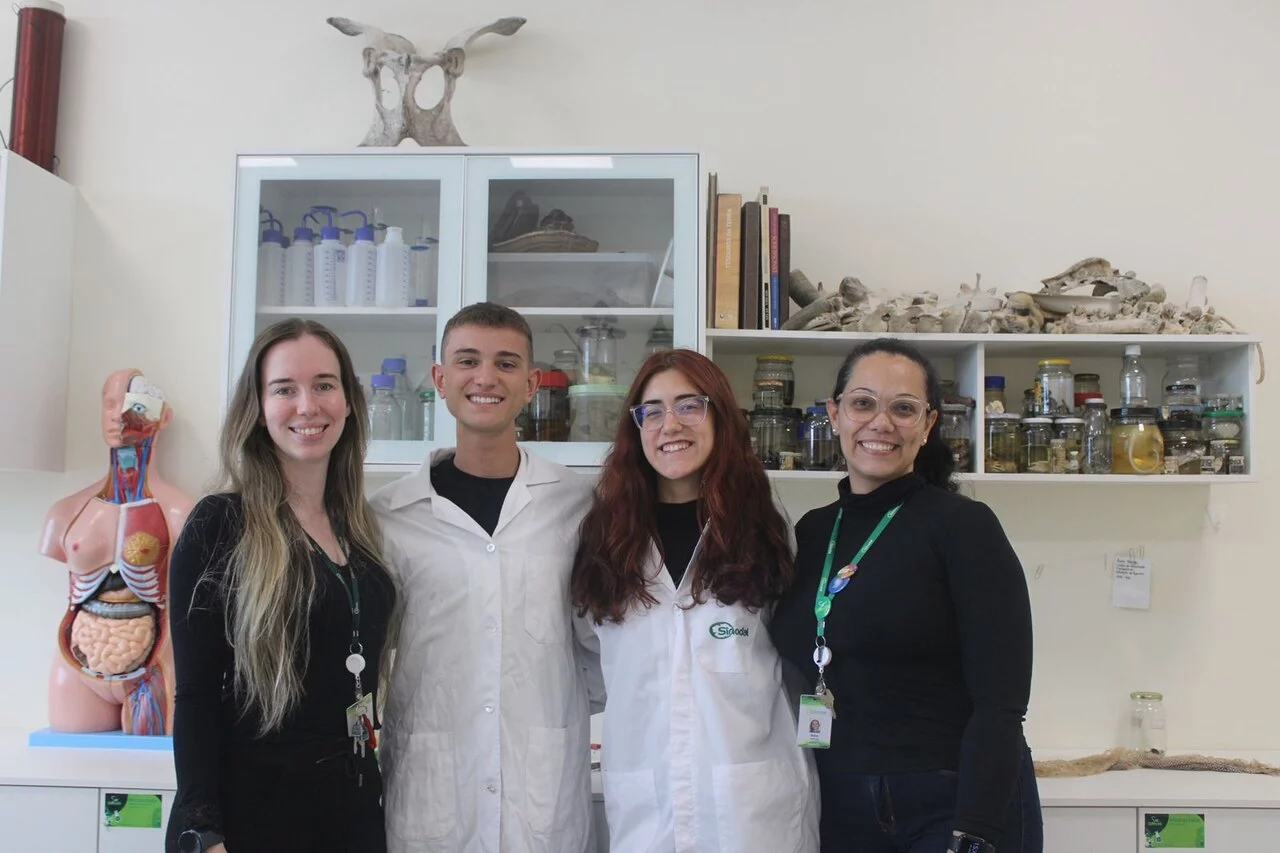
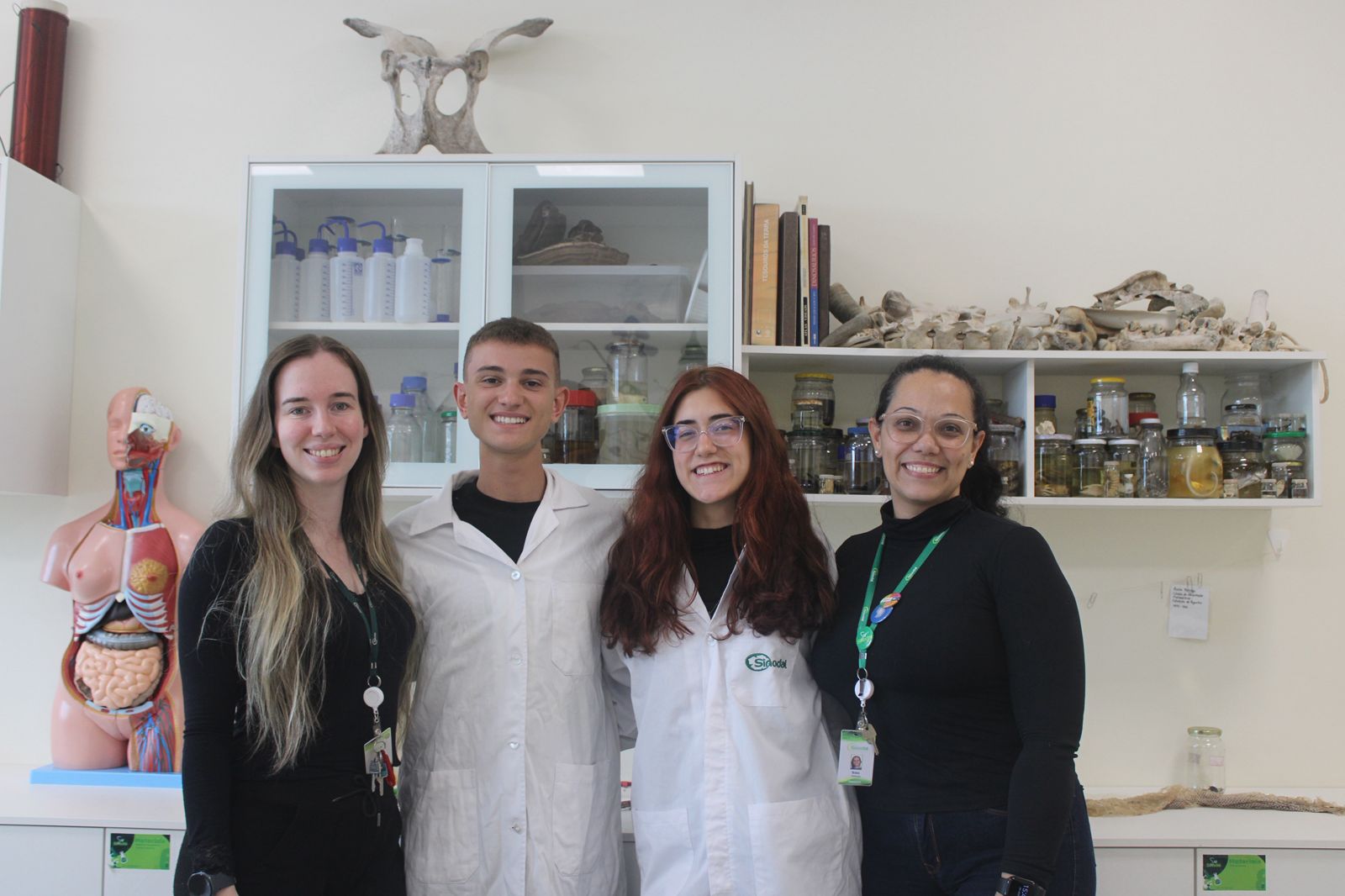
Ísis Valentin and Bernardo Mattos Renner, with their school teachers Bruna Grings (left) and Bruna Vasconcellos de Oliveira Urtassum (right)
With the support, and now $12.5K funding, from The Earth Prize, they aim to further validate and enhance the technology, scale production, and bring the bio-dressing into real-world settings such as schools, sports centres, and healthcare environments.
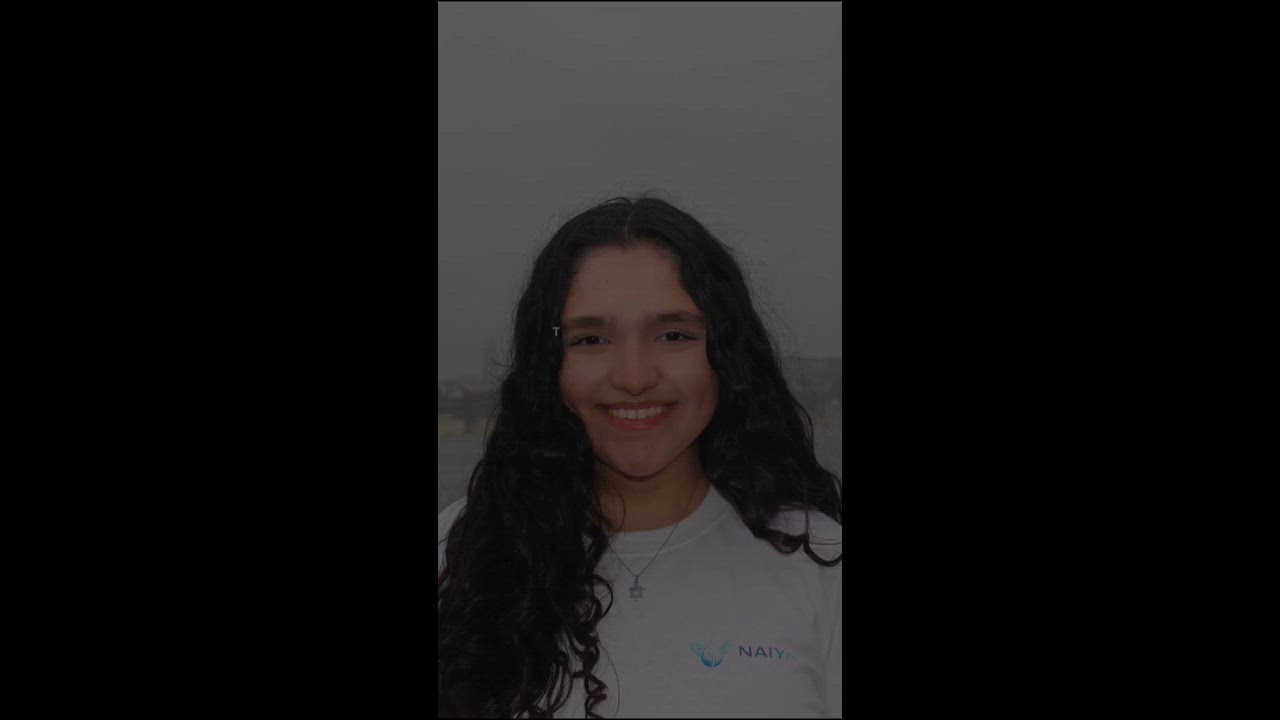
Isis and Bernardo describe their solution for the voting stage
Ísis and Bernardo added:
We started by trying to solve a problem we experienced ourselves, but quickly realised it was much bigger than that. Something as small as a bandage is used by millions of people every day, yet it creates waste and doesn’t always support healing. Winning The Earth Prize gives us the chance to bring Hada into real world use and solve an exponential problem: the human plastic dependency.
Now in its fifth year, The Earth Prize has reached over 21,000 students across 169 countries and territories. Previous winners have been featured in leading international media including Forbes, Business Insider (US and Africa), The Irish Times, and UN Today, with several teams advancing their ideas through patents and corporate partnerships.
The Earth Prize is run by The Earth Foundation, a non-profit based in Geneva, Switzerland, founded during the School Strike for Climate in 2019. At a time when climate anxiety affects a majority of young people - 59% reporting they are very or extremely worried about the environment - the Prize provides a pathway from concern to action, equipping students with the tools to develop tangible, real-world solutions.
Peter McGarry, Founder of The Earth Foundation, commented on this year’s competition:
The Earth Prize winners 2026 represent seven outstanding teams across seven global regions, each tackling environmental challenges with distinct and impactful solutions. Once again, these young innovators demonstrate that age is no barrier to meaningful change. Their work reflects a powerful combination of creativity, determination and a deep understanding of the communities they serve.
Public voting for the Global Winner opens on Monday 18 May, the day after the final Regional Winner is announced. Cast your vote on The Earth Prize website: www.theearthprize.org/vote.
The Earth Prize 2026 awards $12.5K to Helena do Rego for SargaTex PR, turning Puerto Rico’s sargassum seaweed into eco-friendly, biodegradable biofabric. Vote for the Global Winner!
Indian teens named Asia Winners of The Earth Prize 2026 for Plas-Stick, a tamarind powder that removes microplastics from water. Vote for the Global Winner!
The Earth Prize 2026 names Gazan sisters as Middle East Winners for eco-friendly rubble bricks, supporting youth-led innovation and sustainable rebuilding. Vote for the Global Winner!
Connect with our media team
Our team is here to help you craft stories that go beyond press releases - tailored, human-led features. Request an exclusive interview with The Earth Prize winners or founder Peter McGarry, get access to our insights on youth eco-anxiety, or brainstorm a feature idea with us.