The Earth Prize 2026: Meet this year’s 35 top teenage teams and their eco solutions
jpg
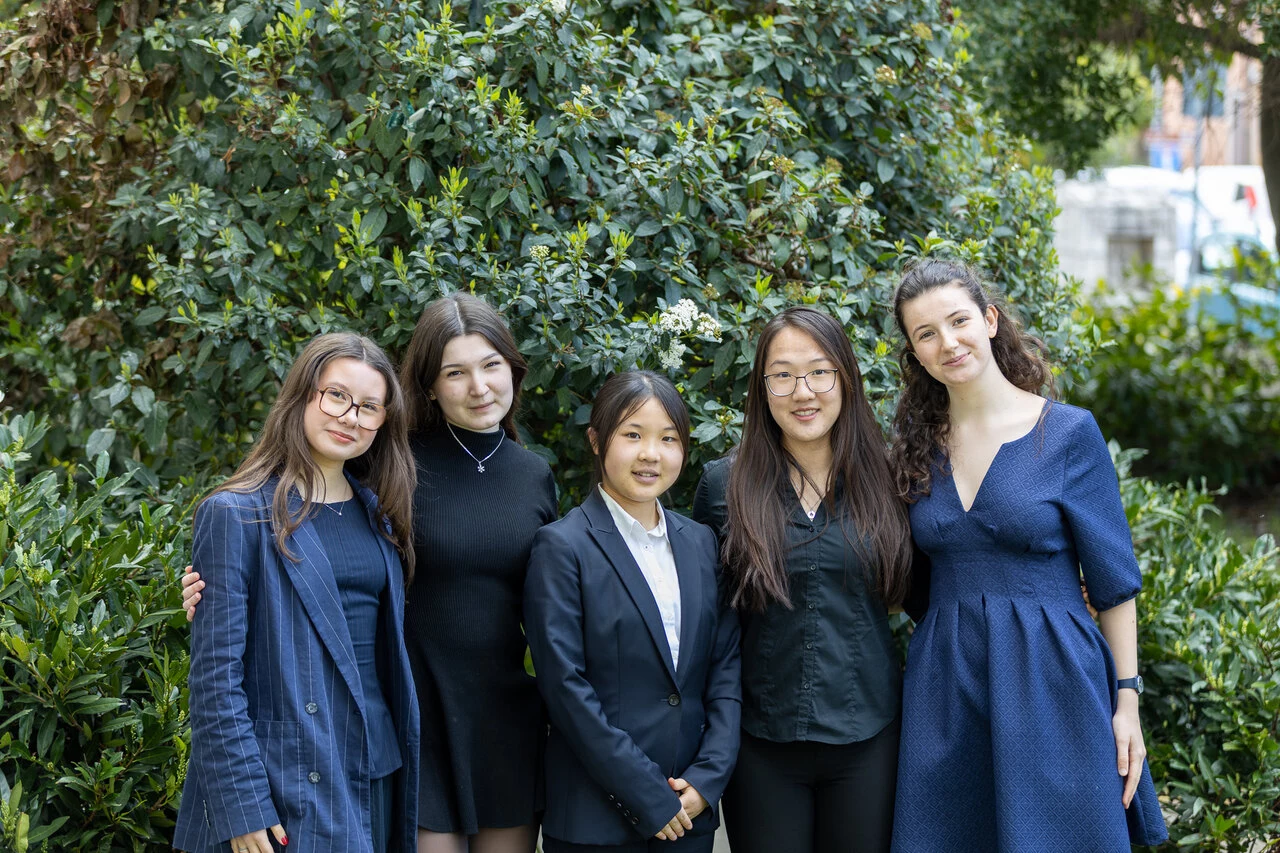
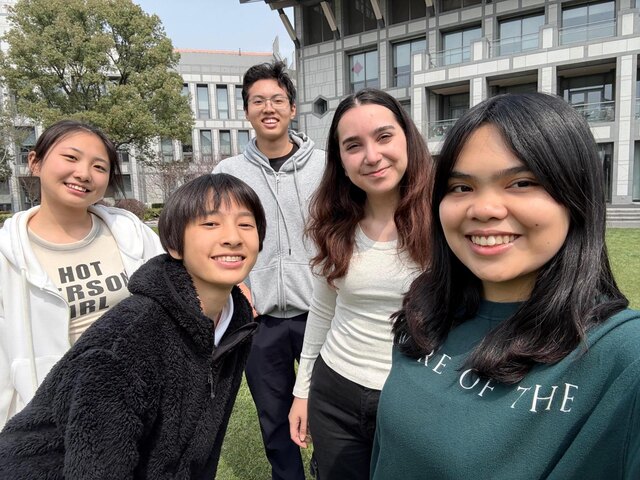
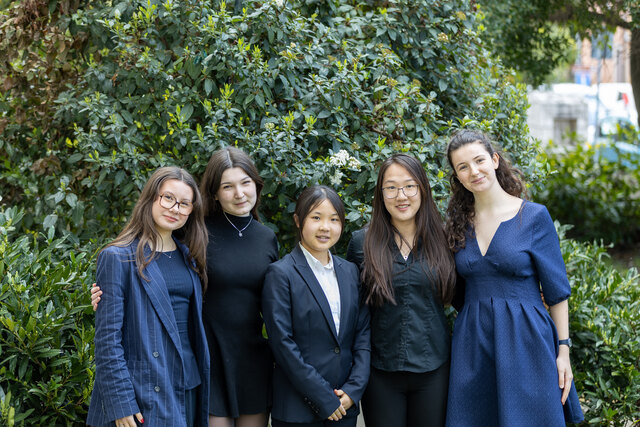
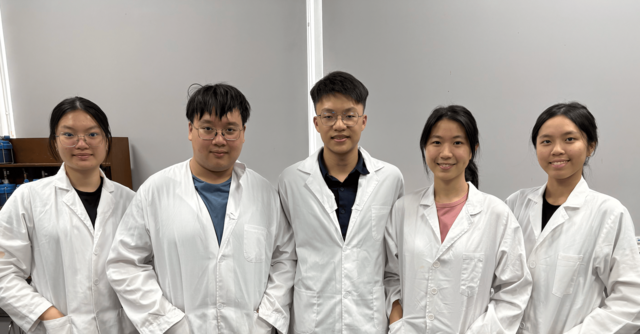
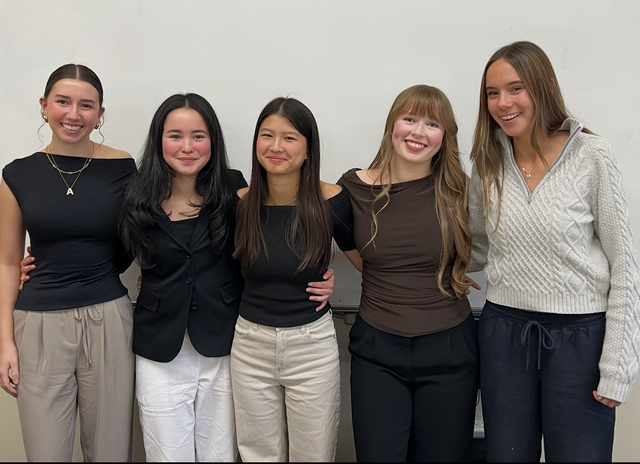
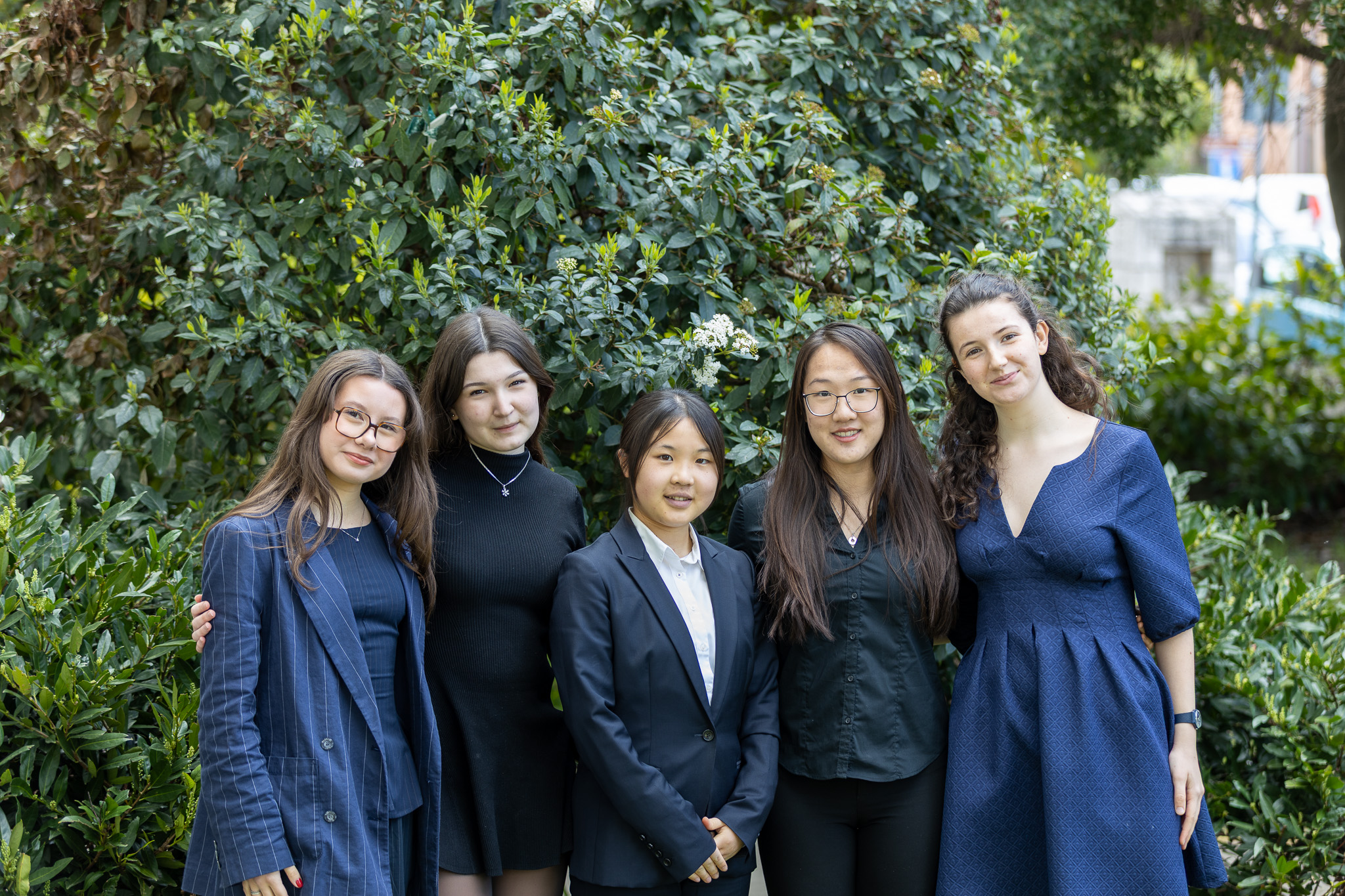
Jessica Bai, Saya Oishi, Sara-Teodora Hancu, Pam Chapelle Ferreras, Letizia Sironić, otherwise known as team Duinesi from Italy
The Earth Prize is the world’s largest environmental competition and incubator for young people, equipping 13-19 year olds with mentorship, resources and funding
Since 2021, the prize has reached 21,000 students, across 169 countries and territories, and awarded over $500K to turn ideas into impact
Each year, 35 top-contender teams are selected as Scholars, representing seven global regions and the most promising youth-led solutions worldwide
From 11–17 May, seven Regional Winners will be announced, each receiving $12.5K to accelerate their innovation in the real world
GENEVA, Switzerland, 13 April 2026 - The world’s most promising young environmental innovators have been unveiled, as the top 35 teams aged 13–19 years are named Earth Prize Scholars for 2026.
This year’s teams represent seven global regions: Africa, Asia, Europe, North America, Central and South America, the Middle East, and Oceania and Southeast Asia. Their solutions span a wide range of innovations, from an ocean-cleaning robot, to fog-powered drinking water, and an AI-driven drought predictor.
Now in its fifth year, The Earth Prize has reached over 21,000 students across 169 countries and territories. Previous winners have been featured in leading international media including Forbes, Business Insider (US and Africa), The Irish Times, and UN Today, with several teams advancing their ideas through patents and corporate partnerships.
The Earth Prize is run by The Earth Foundation, a non-profit based in Geneva, Switzerland, founded during the School Strike for Climate in 2019. At a time when climate anxiety affects a majority of young people - 59% reporting they are very or extremely worried about the environment - the Prize provides a pathway from concern to action, equipping students with the tools to develop tangible, real-world solutions.
The Scholar Teams
Middle East
jpg
png
jpg
png
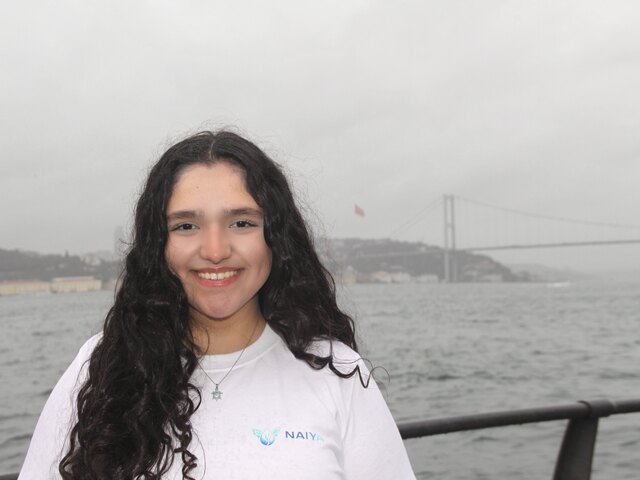
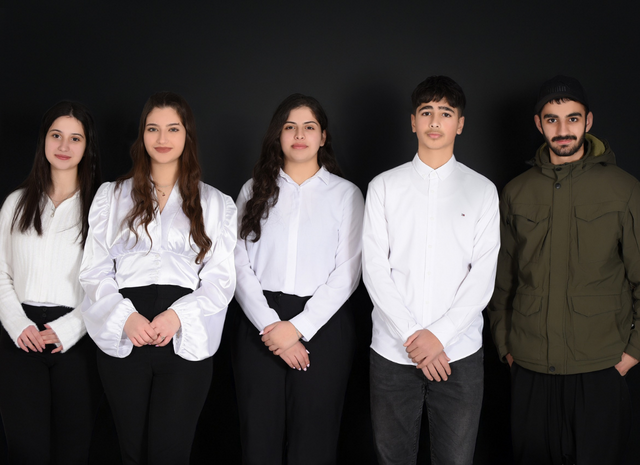
NAIYA (Türkiye) – An ocean-cleaning robot that removes and neutralises harmful sea slime to restore marine life
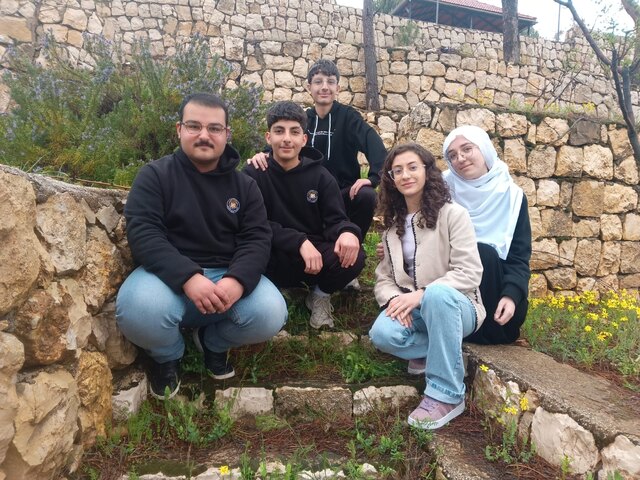
WTEC Innovators (Lebanon) – Fire-activated beeswax seed pods that protect seeds and release them when conditions are safe for regrowth
BONTERRA (Türkiye) – Soil restoration beads that slowly release nutrients to help forests recover after wildfires
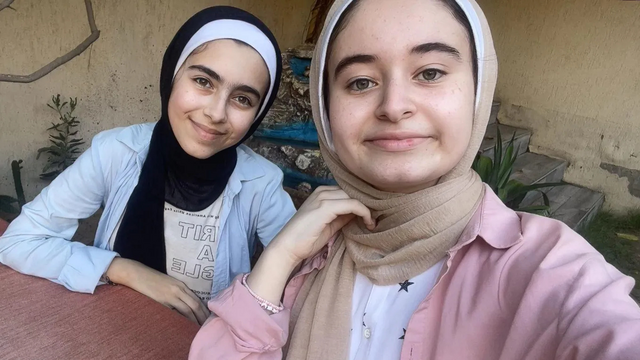
Build Hope (Palestine) – Turning rubble into reusable blocks, bringing young people together to rebuild their communities
Olea-Nova (Lebanon) – Transforming harmful olive oil production wastewater into water-retaining gels for plants
Asia
jpeg
jpeg
jpeg
jpeg
jpg
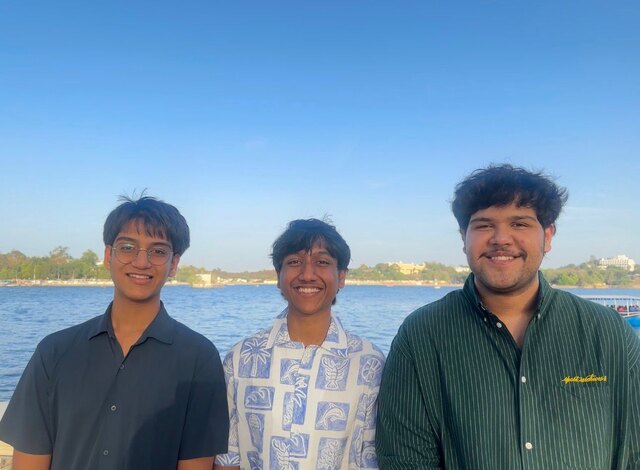
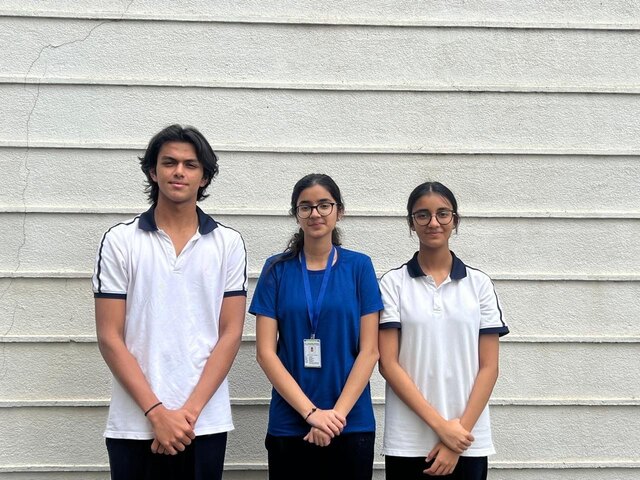
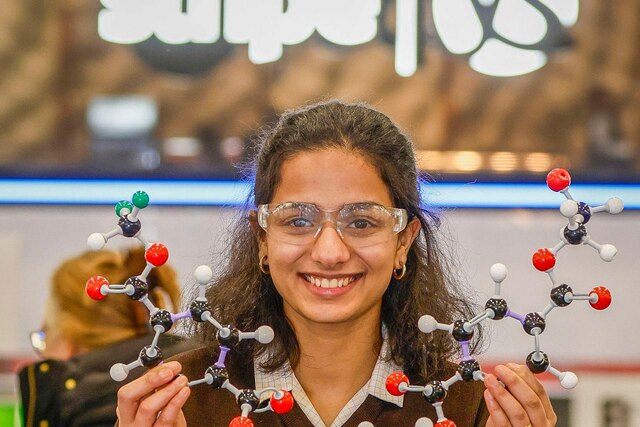
Plas-Stick (India) – A powder made from waste tamarind seeds that clumps microplastics for easy removal from water with a handheld magnet
EcoFog (India) – A fog-harvesting system that captures clean drinking water from fog without electricity
Lu Circle (China) – A textile waste platform that helps garment workers turn fabric waste into products and income
#StopPaperRacism (South Korea) – A campaign helping schools and institutions switch to paper made from sugarcane and agricultural waste instead of trees
EcoEducators365 (India) – An environmental education programme teaching action through hands-on activities like planting, building, and conservation
Europe
jpg
jpeg
jpg
jpg
jpeg
Duinesi (Italy) – Campsite barriers, called ‘Camprotezione’, made from natural materials that help stop campfires spreading into wildfires
Fluoronet (Czechia) – Light-reactive fishing nets that make lost gear easier to find and remove
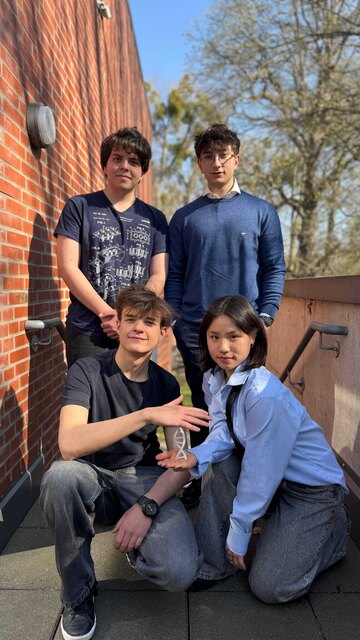
The Green Memory Project (Germany) – A system that stores digital data in DNA instead of energy-intensive data centres
Eco Purge (Ireland) – A plastic that breaks down safely and releases catalysts to remove existing microplastics
Sentinel Terra (Albania) – An earth monitoring system that detects early environmental risks using satellite data
Central & South America
jpeg
jpg
jpg
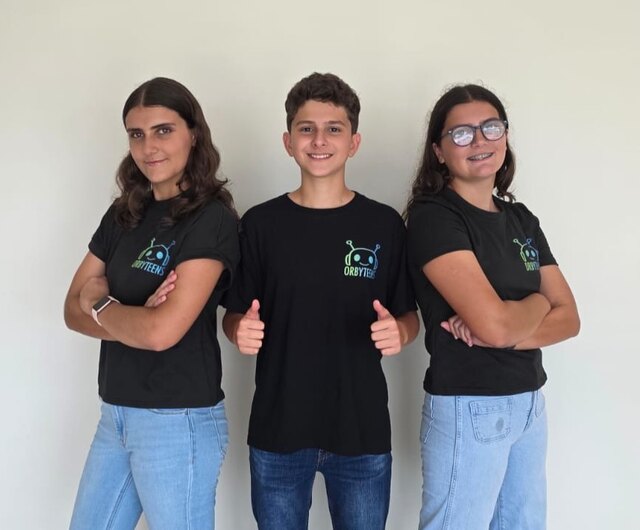
Orbyteens (Panama) – An AI-powered recycling bin that automatically sorts waste and rewards users
HADA (Brazil) – Biodegradable bandages made with made of aloe vera and chamomile that replace plastic with plant-based alternatives
JK Sustainable (Brazil) – A soap made from waste cooking oil that funds girls’ education in STEM
Abelhas Solitárias (Brazil) – A solar-powered bee habitat that regulates temperature and provides food and water for pollinators
IARA (Brazil) – An initiative connecting women entrepreneurs in the Amazon with investors to scale sustainable, forest-friendly businesses
Oceania & Southeast Asia
jpg
jpg
png
jpg
Homes for Hornbills (Thailand) – Artificial nests made from recycled materials for hornbill birds that spread seeds and restore forests
Fern (Vietnam) – Turning industrial denim waste into high-quality products while creating jobs for artisans with disabilities
Treet (Australia) – A free mobile app that helps young people turn everyday steps into real-world tree planting
AirJernih (Malaysia) – A low-cost filtration system that removes harmful farm pesticides and fertilisers from water
WeaveLand (Philippines) – Coconut-based packaging that replaces plastic with materials made from industrial coconut fibre waste
North America
jpeg
jpg
PNG
ADAPT (US) – An AI drought predictor that helps farmers forecast soil conditions and manage irrigation via a mobile app
DrainZero (US) – A storm drain filter that captures and breaks down microplastics from tire wear before they reach rivers
Canmore Women in STEM Club (Canada) – A plant-based biofilter that removes toxins from water while growing edible plants
CoralX (US) – A funding system that uses satellite data to automatically trigger emergency funding for divers to protect coral reefs from heat damage
SargaTex PR (Puerto Rico) – A biodegradable fabric made from sargassum seaweed used for clothing and footwear
Africa
jpeg
jpeg
jpg
jpg
jpeg
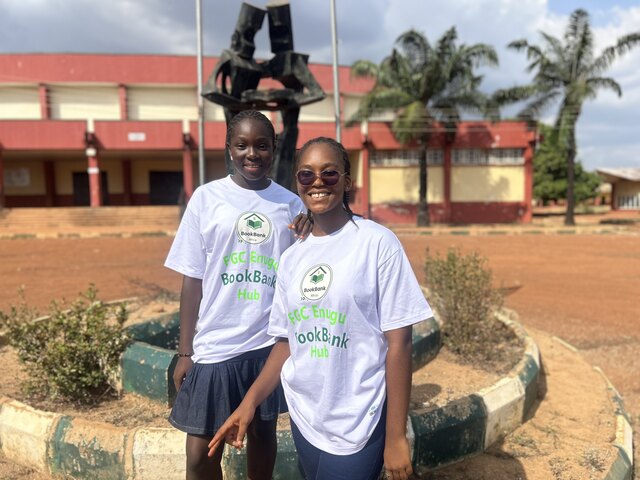
BookBank Africa (Nigeria) – A student-led network that turns unused school spaces into book hubs, redistributing textbooks via an app to underserved schools
PUPE Climate Model (Zambia) – A climate prediction model that delivers more precise early warnings for extreme weather
HewaSafi Innovators (Kenya) – A low-cost vehicle exhaust system that captures emissions using filters made from agricultural waste and algae
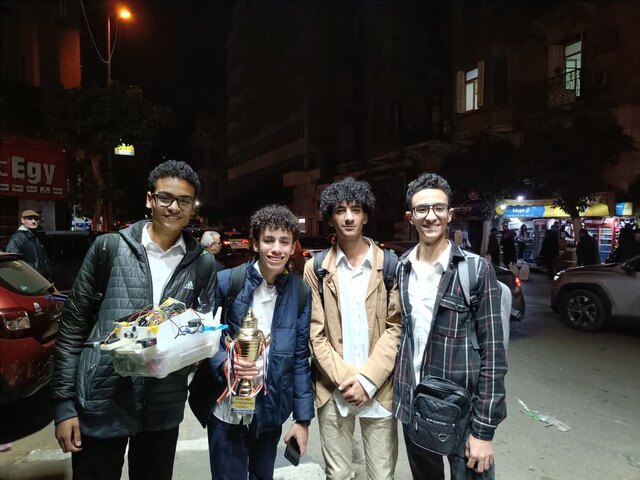
Terraskipper (Egypt) – A robot inspired by the mudskipper fish that crawls across muddy degraded land to monitor soil and plant seeds
PantiPads (Nigeria) – Affordable biodegradable sanitary pads made from agricultural waste that replace plastic alternatives
Peter McGarry, Founder of The Earth Foundation, added:
The 2026 Earth Prize Scholars represent an extraordinary wave of ingenuity and determination from young people around the world. This year’s applicants have once again shown that age is no barrier to tackling complex environmental challenges with creativity and purpose. As we look ahead to announcing our regional winners in May, we are inspired by the bold thinking and real-world impact already demonstrated by this year’s cohort.
The next stage of the competition will see seven Regional Winners announced from 11–17 May, each representing one of the seven global regions and receiving $12.5K to accelerate their innovation. This will be followed by a public vote, with the global winner announced on Friday 29 May.
Teen sisters from Gaza reach top 35 in The Earth Prize 2026, recycling rubble into building blocks and training youth with skills to recover the community.
Team WeaveLand from the Philippines ranks in the top 35 of The Earth Prize 2026, transforming coconut fibre waste into eco-friendly, reusable materials.
The Earth Prize 2026 names Vietnam’s Fern team among top 35 for eco-innovation: upcycling denim waste into bags and empowering disabled artisans worldwide.
Young Nigerians advance in The Earth Prize 2026, the global $100K environmental competition, with eco-innovations BookBank Africa and biodegradable PantiPads.
Connect with our media team
Our team is here to help you craft stories that go beyond press releases - tailored, human-led features. Request an exclusive interview with The Earth Prize winners or founder Peter McGarry, get access to our insights on youth eco-anxiety, or brainstorm a feature idea with us.