The Earth Prize 2026: Teenagers from the Philippines named among top 35 global teams in $100K global competition for coconut-based material
png
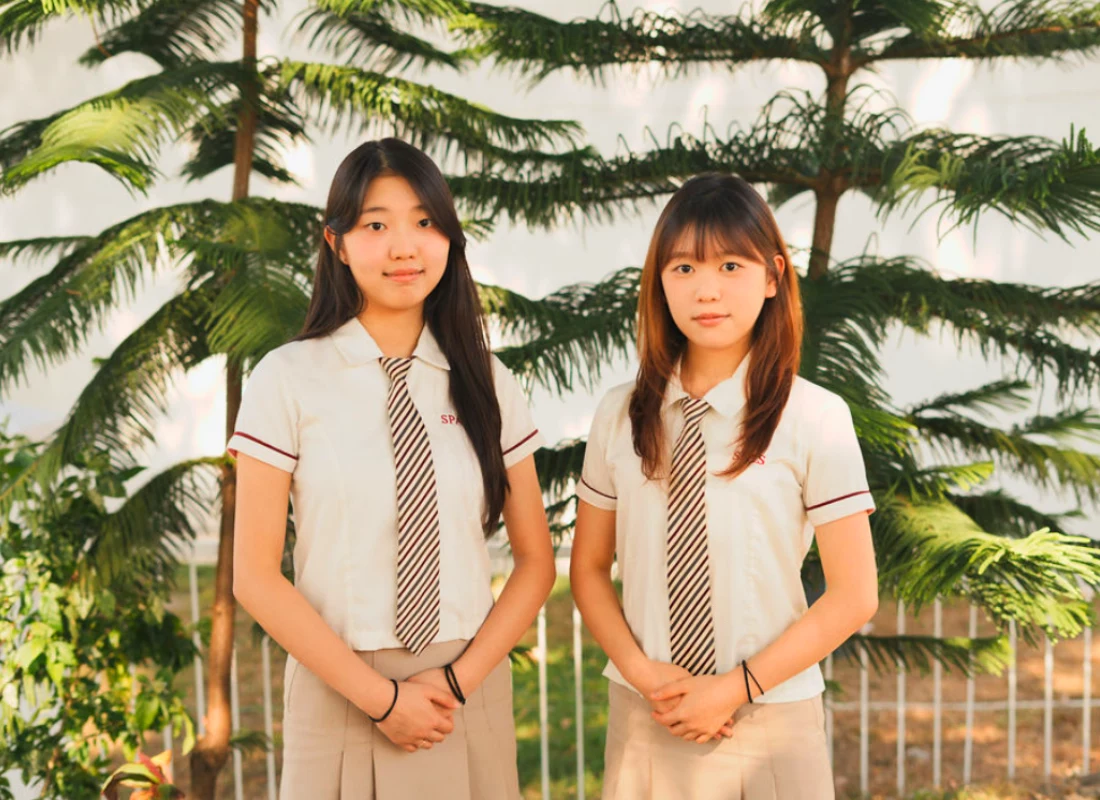
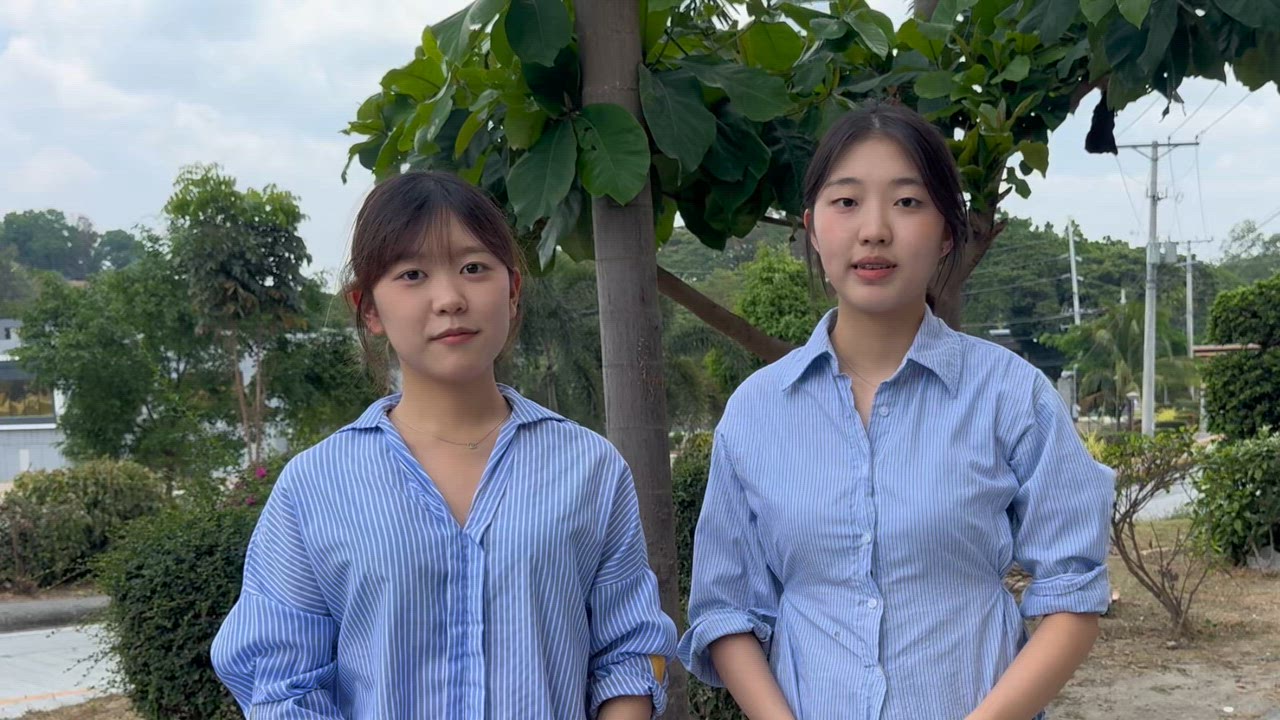
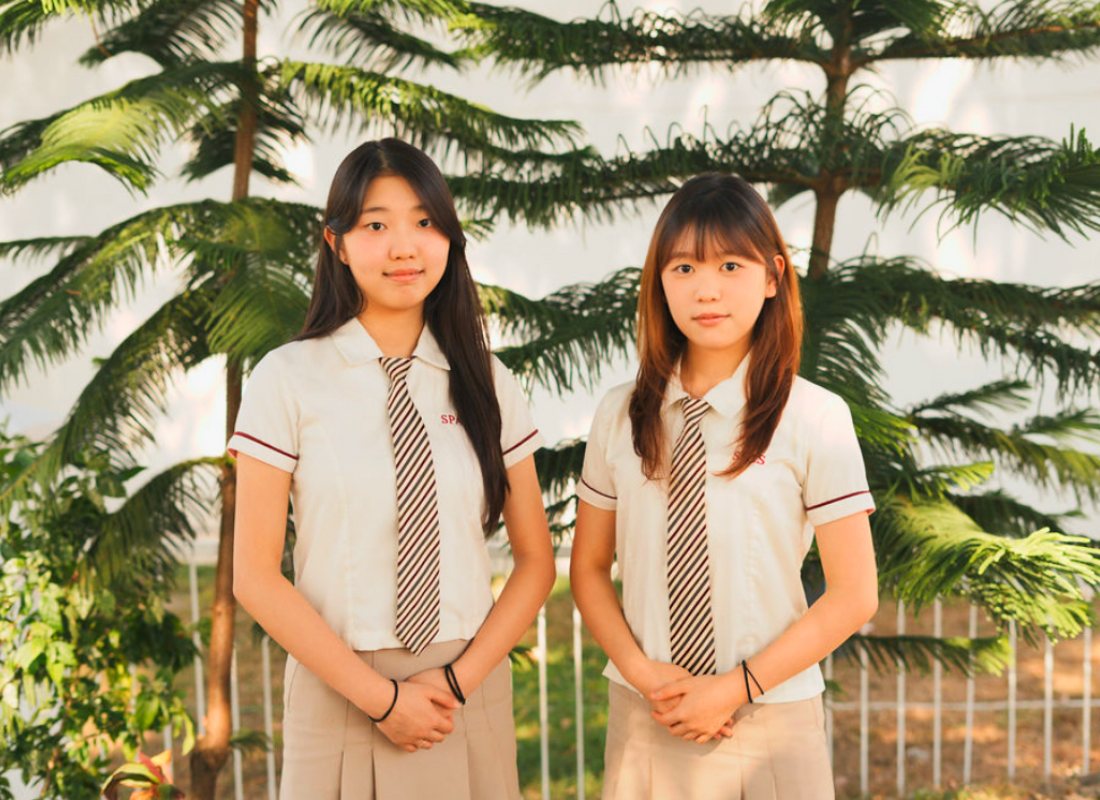
Team Weaveland - Serin Park and Sieun Kwon (Emily)
The Earth Prize is the world’s largest environmental competition and incubator for young people, equipping 13-19 year olds with mentorship, resources and funding
Since 2021, the prize has reached 21,000 students, across 169 countries and territories, and awarded over $500K to turn ideas into impact
Each year, 35 top-contender teams are selected as Scholars, representing seven global regions and the most promising youth-led solutions worldwide
From 11–17 May, seven Regional Winners will be announced, each receiving $12.5K to accelerate their innovation in the real world
Team WeaveLand is turning industrial coconut fibre waste into a plastic-free coconut-based material
GENEVA, Switzerland, 10 April 2026 - In an effort to reduce plastic waste, teenagers Serin Park and Sieun Kwon (Emily) have been named among the top 35 global teams in The Earth Prize 2026, the world’s largest environmental competition and incubator for young people aged 13-19 years. Representing the region of Oceania and Southeast Asia, their solution is ‘WeaveLand’, a project that turns industrial coconut fibre waste into a plastic-free material used to make .
WeaveLand was created after the duo witnessed plastic pollution firsthand along the Philippine coast, motivating them to find a sustainable alternative. The Philippines alone generates an estimated 1.7 million metric tonnes of post-consumer plastic waste each year, and globally just 9% of plastic waste is recycled.
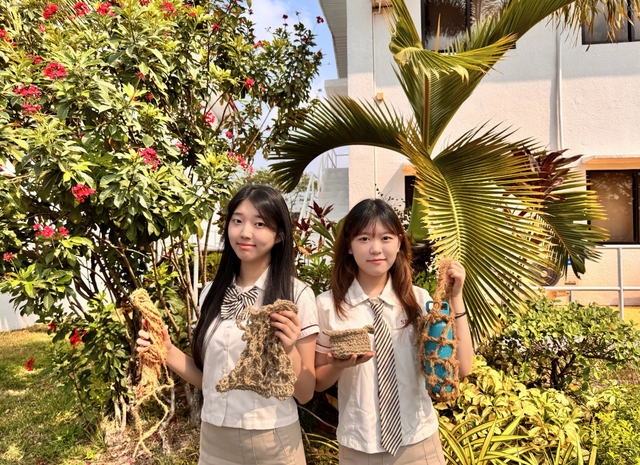
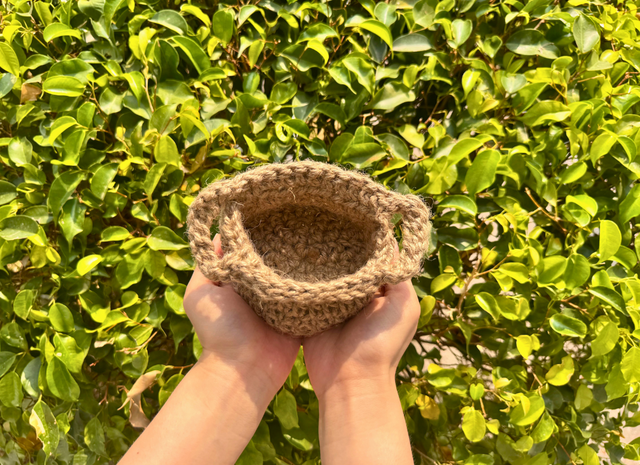
The project WeaveLand transforms discarded coconut husks into plastic-free materials by knitting and crocheting them into reusable items. These are designed for everyday carrying and light packaging applications, such as bags, pouches and baskets used for fruits and market goods.
Alongside product development, the team has introduced hands-on educational kits that teach children about natural and plastic-free materials, by using the coconut fibres to make simple items like bracelets. Following the success of their prototype, WeaveLand is now exploring partnerships with coconut fibre organisations and youth groups to scale both production and impact.
png
png
Serin Park and Sieun Kwon (Emily) impressed The Earth Prize’s expert jury with the project, being only one of five teams selected to represent the region of Oceania and Southeast Asia.
Now in its fifth year, The Earth Prize has reached over 21,000 students across 169 countries and territories. Previous winners have been featured in leading international media including Forbes, Business Insider (US and Africa), The Irish Times, and UN Today, with several teams advancing their ideas through patents and corporate partnerships.
This year’s teams represent seven global regions: Africa, Asia, Europe, North America, Central and South America, the Middle East, and Oceania and Southeast Asia. Their solutions span a wide range of innovations, from an ocean-cleaning robot, to fog-powered drinking water, and an AI-driven drought predictor.
The Earth Prize is run by The Earth Foundation, a non-profit based in Geneva, Switzerland, founded during the School Strike for Climate in 2019. At a time when climate anxiety affects a majority of young people - 59% reporting they are very or extremely worried about the environment - the Prize provides a pathway from concern to action, equipping students with the tools to develop tangible, real-world solutions.
Peter McGarry, Founder of The Earth Foundation, commented on this year’s competition:
The 2026 Earth Prize Scholars represent an extraordinary wave of ingenuity and determination from young people around the world. This year’s applicants have once again shown that age is no barrier to tackling complex environmental challenges with creativity and purpose. As we look ahead to announcing our regional winners in May, we are inspired by the bold thinking and real-world impact already demonstrated by this year’s cohort.
The next stage of the competition will see seven Regional Winners announced from 11–17 May, each representing one of the seven global regions and receiving $12.5K to accelerate their innovation. This will be followed by a public vote, with the global winner announced on Friday 29 May.
Teen sisters from Gaza reach top 35 in The Earth Prize 2026, recycling rubble into building blocks and training youth with skills to recover the community.
The Earth Prize 2026 names Vietnam’s Fern team among top 35 for eco-innovation: upcycling denim waste into bags and empowering disabled artisans worldwide.
Young Nigerians advance in The Earth Prize 2026, the global $100K environmental competition, with eco-innovations BookBank Africa and biodegradable PantiPads.
Connect with our media team
Our team is here to help you craft stories that go beyond press releases - tailored, human-led features. Request an exclusive interview with The Earth Prize winners or founder Peter McGarry, get access to our insights on youth eco-anxiety, or brainstorm a feature idea with us.