Teenage Earth Prize winners Tala and Farah Mousa hold second block upcycling workshop, reaching +300 youth
png
Tala and Farah Mousa are the founders of Build Hope - Palestine, which upcycles building rubble into reusable blocks
The sisters were named The Earth Prize 2026 Regional Winners for the Middle East
Their workshops teach young people how to make the blocks using locally available materials and share the skills with others
Around 50 young people attended their second workshop, with an estimated 300+ people reached through the project so far
GENEVA, Switzerland – Teenage sisters Tala Mousa, 17, and Farah Mousa, 15, The Earth Prize 2026 Regional Winners for the Middle East, have held a second workshop for their project Build Hope - Palestine, which upcycles rubbles into blocks. Held in Gaza, the workshop brought together around 50 young people, with the project now estimated to have reached more than 300 people across Palestine and the wider MENA region.
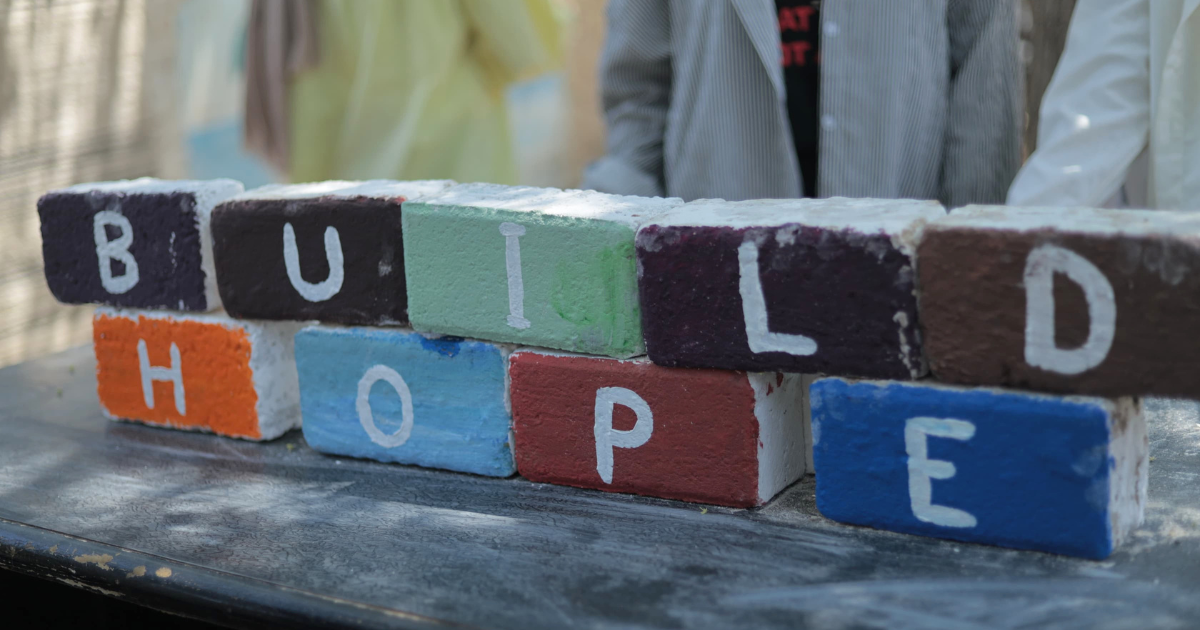
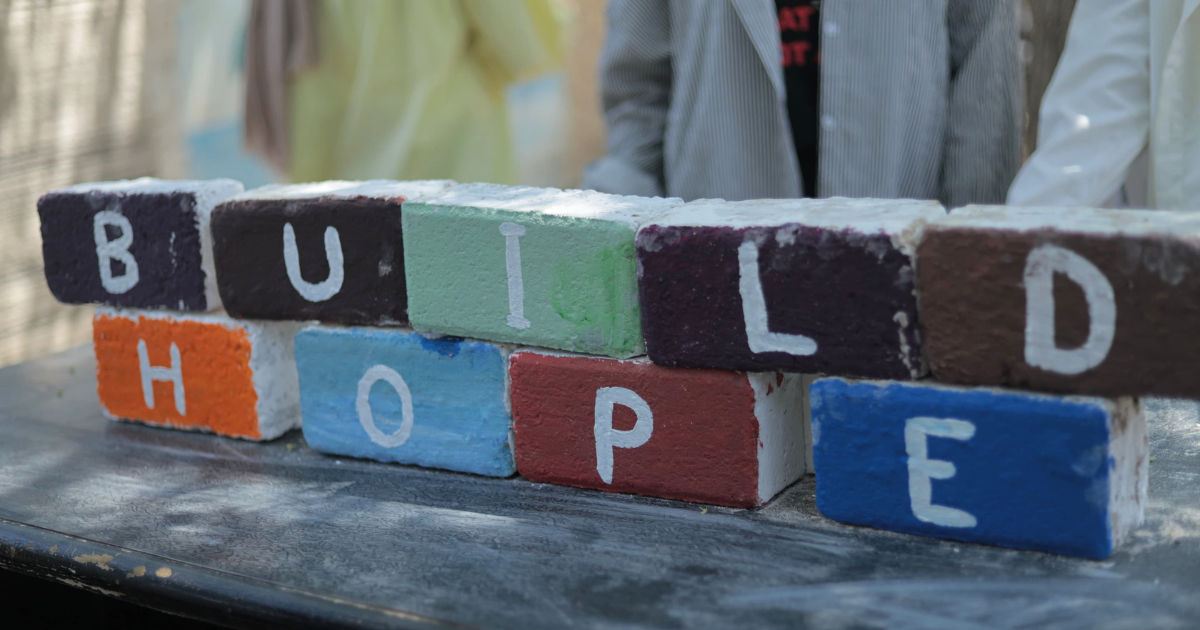
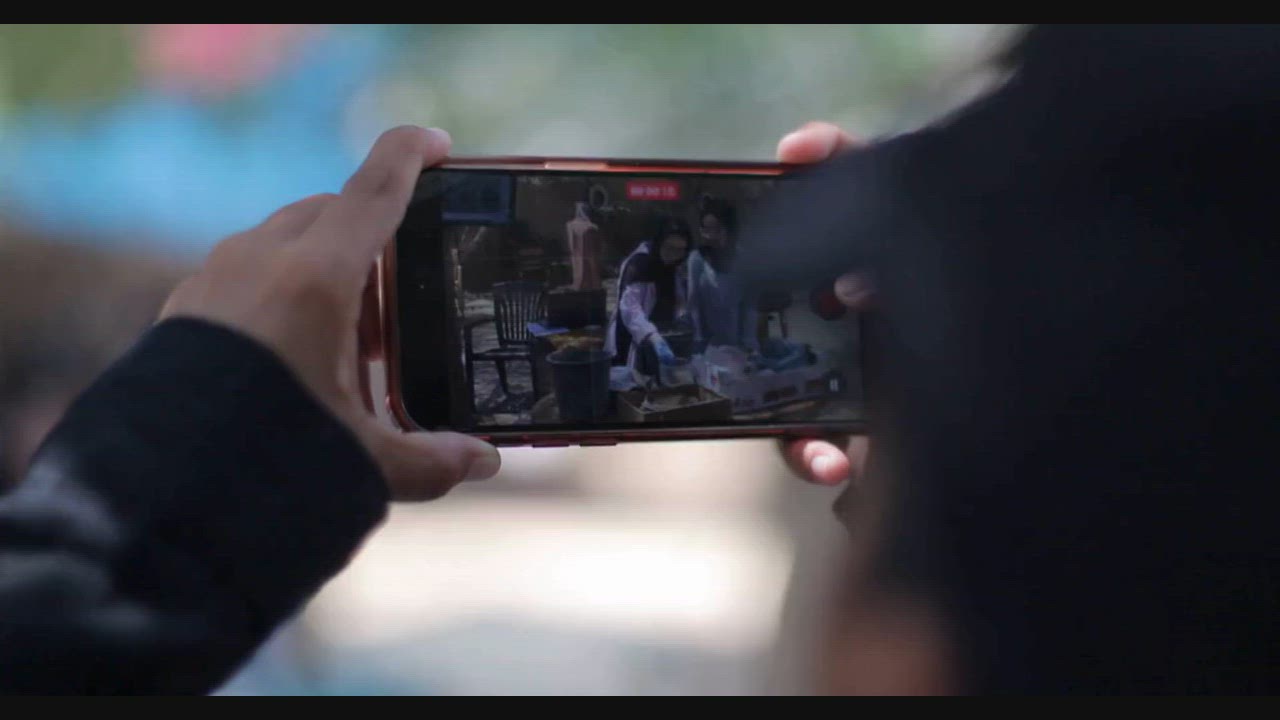
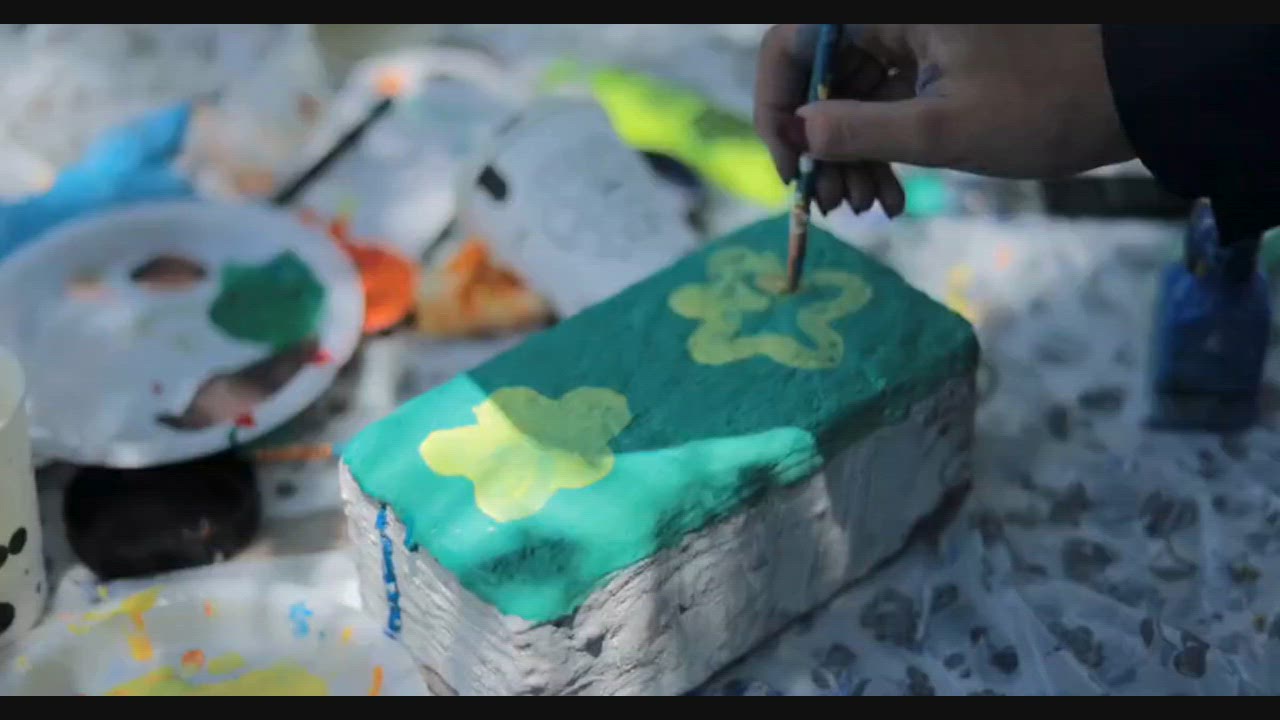
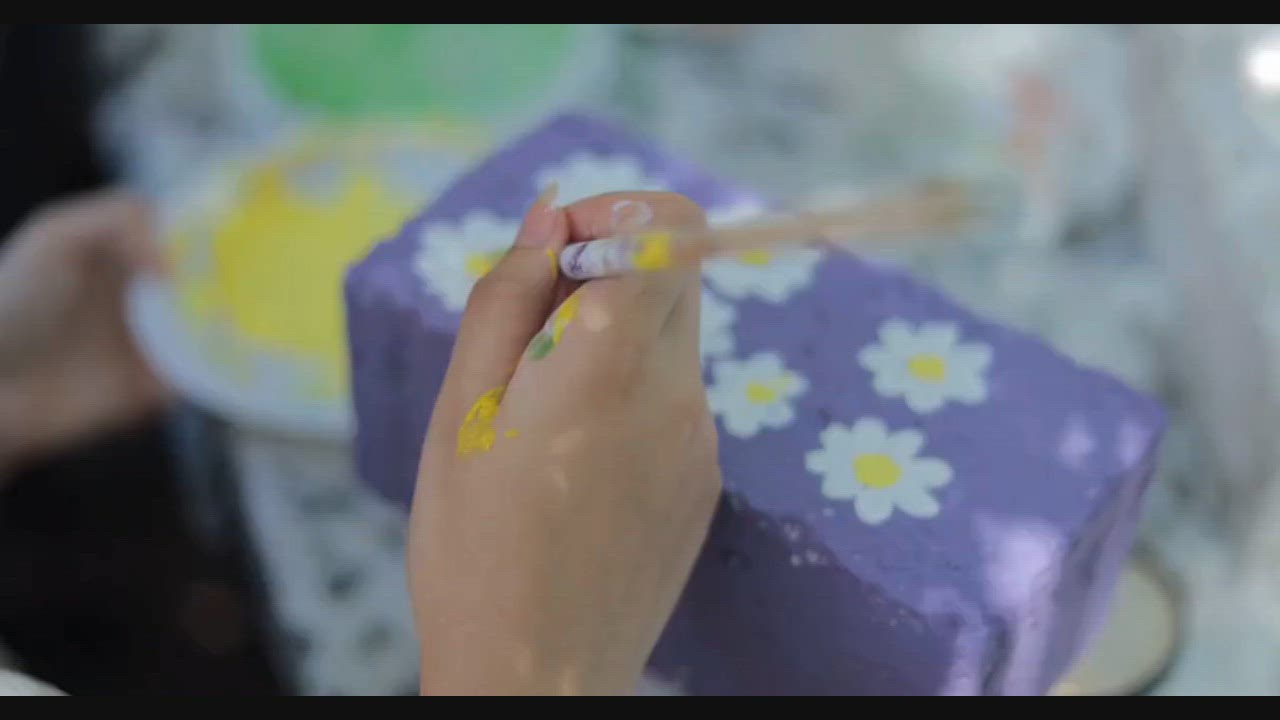
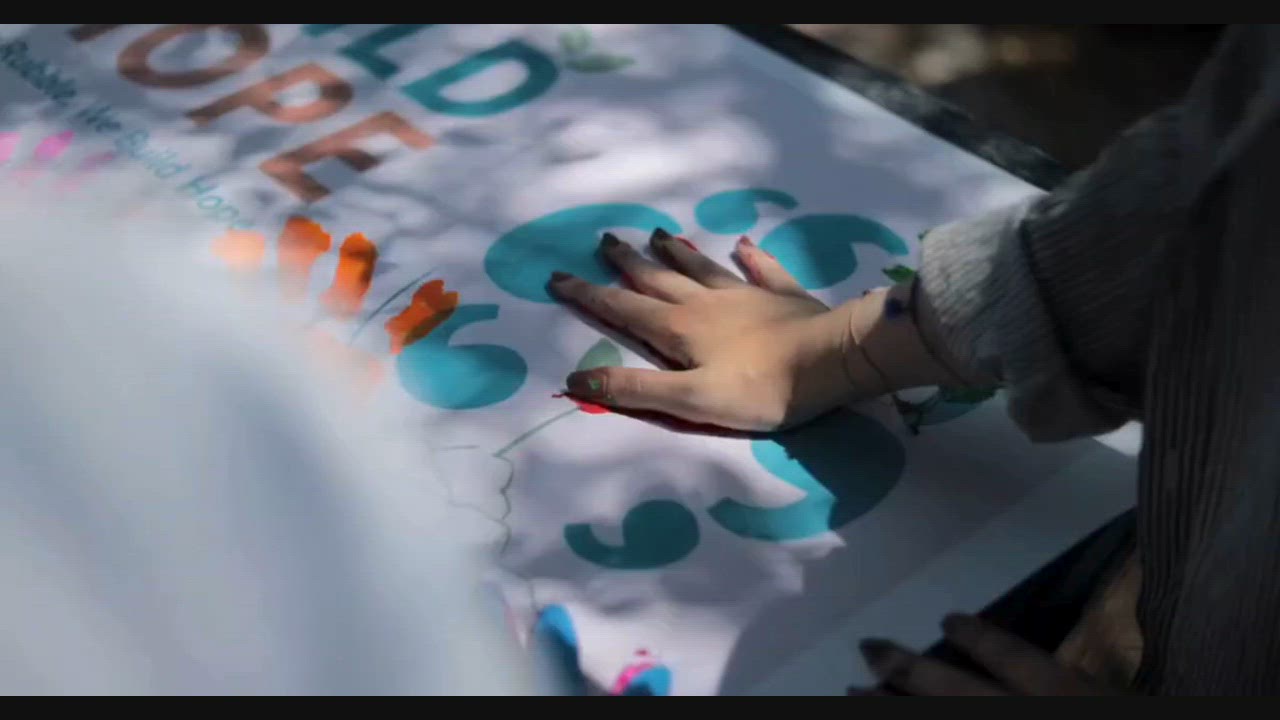
This second workshop saw volunteers and participants come together to finish making the blocks and construct their first garden bed. With several artists among the participants, the group discussed using art to express emotions and support healing after the experiences of conflict. Using different coloured paints and their own creativity, participants decorated the blocks before assembling the garden bed and filming videos to share with other young people.
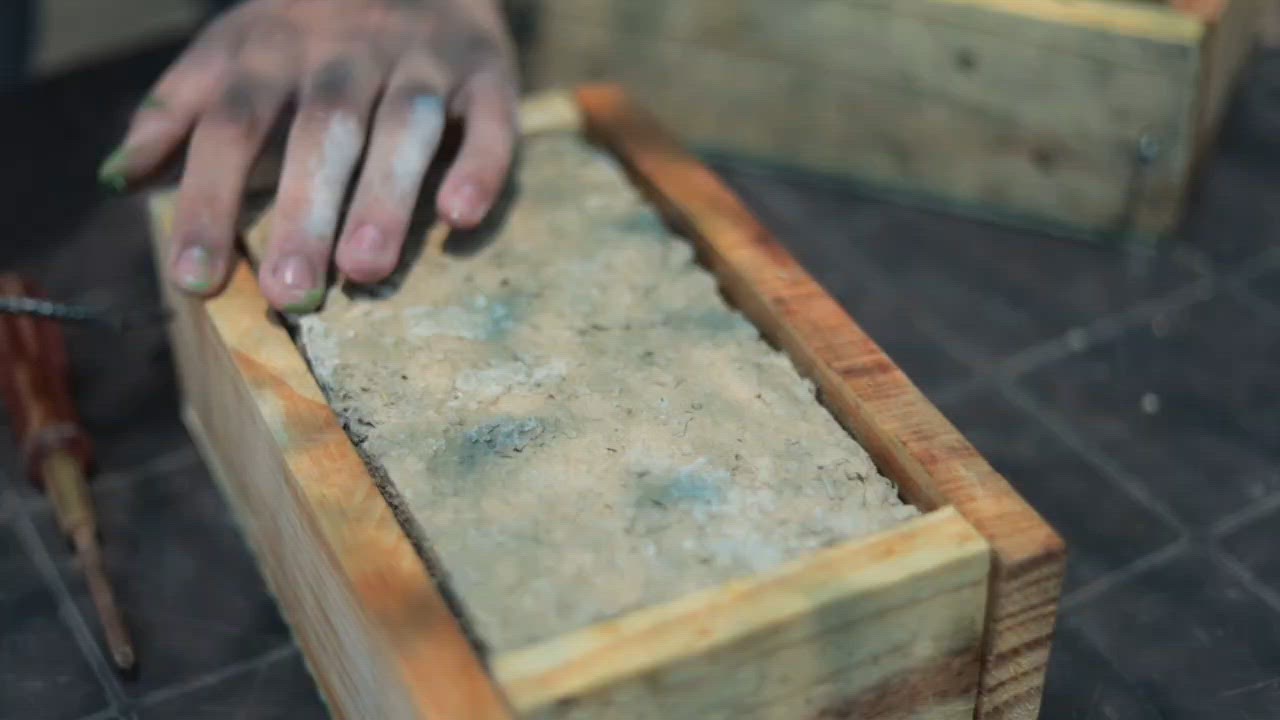
Tala and Farah Mousa demonstrate how the blocks are made
We are here again with the Build Hope team after we succeeded in turning rubble into reusable blocks. We are adding meaningful symbols of hope, resilience and compassion. I would love to share the knowledge and the experience that I've got to my community and the surrounding people.
Workshop participant
For Tala and Farah, Build Hope is about more than the blocks themselves. By giving participants practical skills they can pass on to others, while creating space for students to express themselves throughout the process, the sisters are combining environmental action with community building. Tala and Farah stay in touch with the participants after each workshop, who report back on the people they have taught, helping the team keep track of the project's growing reach.
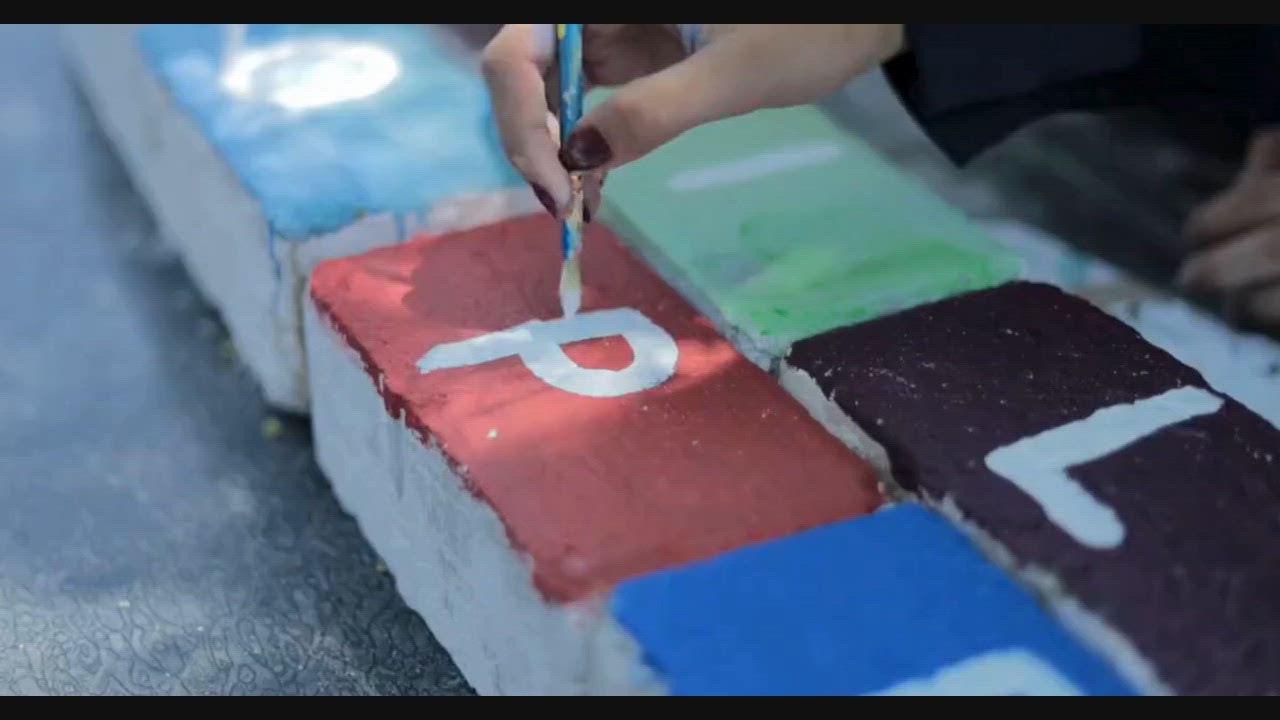
After the blocks had set, the young participants painted the blocks for use in a local garden bed
Symbols of hope, resilience and compassion were painted among the designs
The words 'Build Hope' were painted on these second workshop blocks
The project began with an urgent question: how could the enormous amounts of rubble left by destroyed buildings in Gaza be upcycled and put to use? After their own home was bombed, Tala drew inspiration from one of the few schoolbooks she had managed to save and developed with her sister Farah the process of upcycling debris into something new.
Today, Build Hope teaches others how to crush rubble and mix it with locally available materials, such as clay, ash and glass powder, to create non-load-bearing blocks. The finished bricks can be used for garden beds, pavements, and partitions, or even to simply prop up neighbours’ tents - offering an accessible way for young people to proactively upcycle waste materials and rebuild hope inside their communities.
After submitting the concept to The Earth Prize in late 2025, the team was selected as one of 35 Scholar teams across the world to receive mentoring and resources to develop their project further. In May 2026, Tala and Farah were named Regional Winners for the Middle East and won $12.5K to scale their project to real-life impact.
Build Hope - Palestine's mission is to share upcycling knowledge and community building hope to others living in conflict
Like many students taking part in The Earth Prize, Build Hope turned their personal experiences into a practical solution. Now in its fifth year, The Earth Prize has reached over 21,000 students across 169 countries and territories. Previous winners have been featured in leading international media including Forbes, BBC, the Financial Times, CBS, Business Insider, Euronews, and UN Today, with several teams advancing their ideas through patents, partnerships and commercial pilots.
The Earth Prize is run by The Earth Foundation, a non-profit based in Geneva, Switzerland, founded during the School Strike for Climate in 2019. At a time when climate anxiety affects a majority of young people - with 59% reporting they are very or extremely worried about the environment - the Prize provides a pathway from concern to action, equipping students with the tools to develop tangible, real-world solutions.
After identifying 205 urban heat hotspots in Palmas, The Earth Prize winner Isaque Borges helps a public-sector group develop greener, cooler city solutions.
The Earth Prize 2026 Middle East Regional Winners Tala and Farah Mousa appeared on CNN to showcase Build Hope – Palestine, turning rubble into reusable blocks.
The Earth Prize 2026 winner Proud launches Young Hornbill Guardians, teaching 200+ Thai students about hornbill conservation, biodiversity and nature action.
Connect with our media team
Our team is here to help you craft stories that go beyond press releases - tailored, human-led features. Request an exclusive interview with The Earth Prize winners or founder Peter McGarry, get access to our insights on youth eco-anxiety, or brainstorm a feature idea with us.