Teenage Earth Prize winners Tala and Farah Mousa teach +50 Gazan youth to upcycle rubble into reusable blocks
JPG
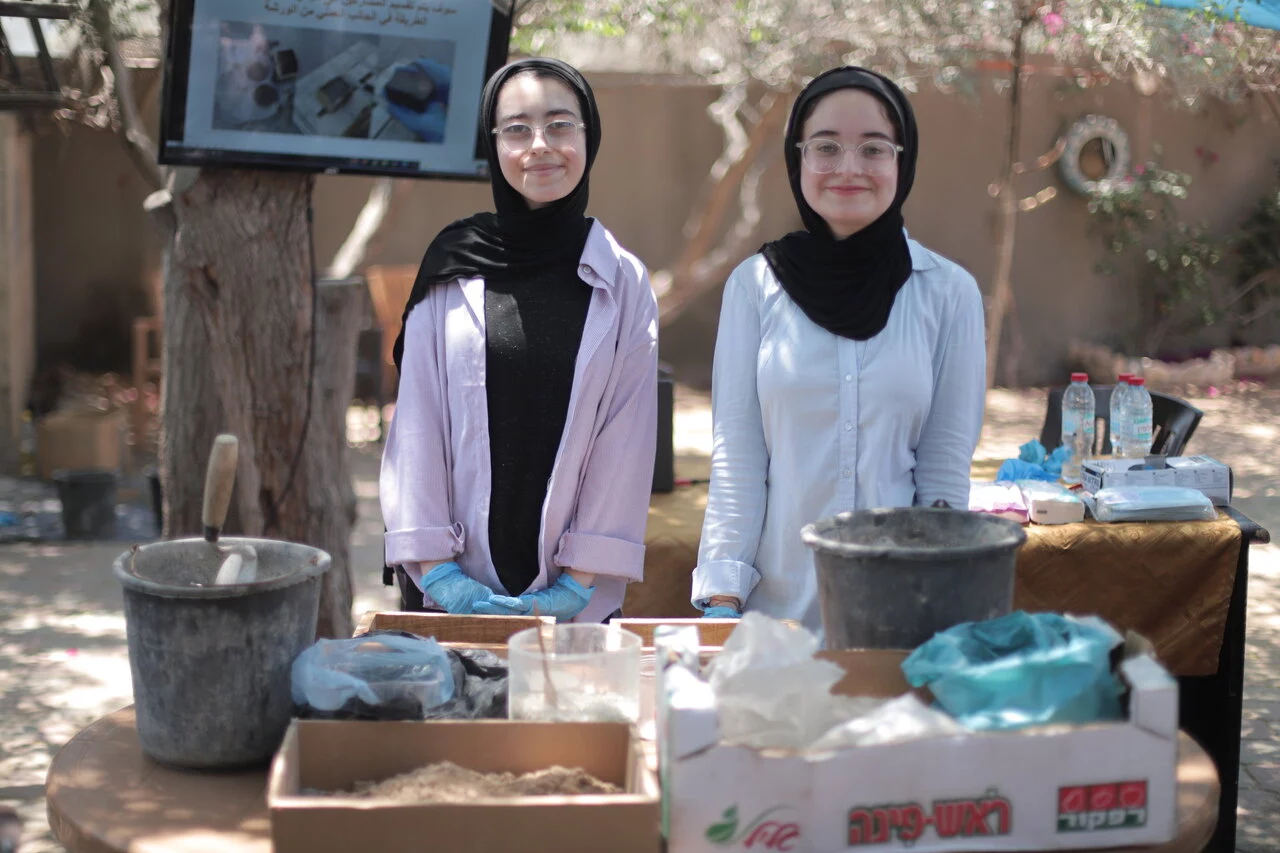
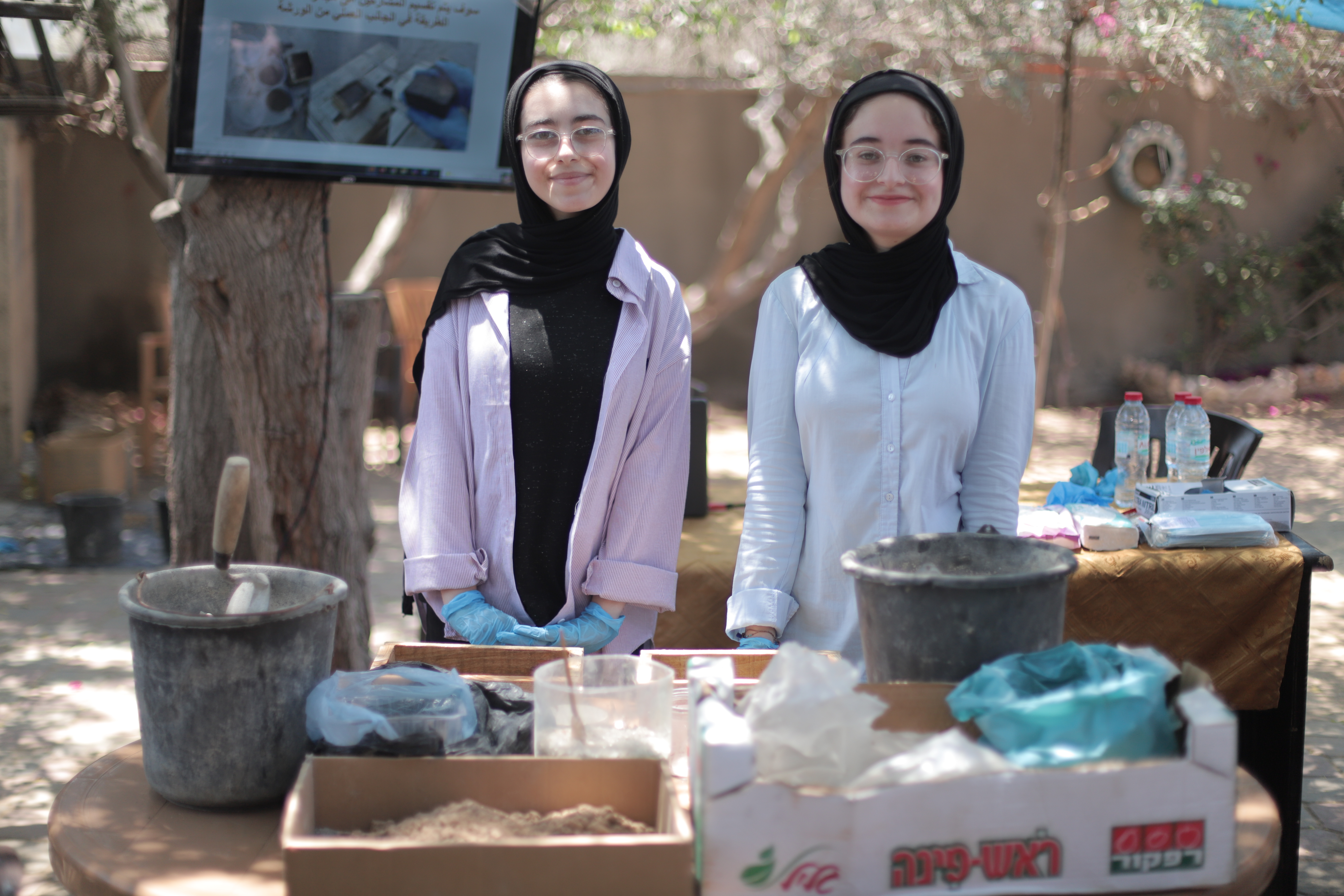
Farah and Tala Mousa lead a hands-on Build Hope workshop. Photo by Ali Awad.
Teenage sisters Tala Mousa and Farah Mousa are the founders of 'Build Hope - Palestine'
Build Hope upcycles building rubble into reusable, non-load-bearing blocks
The blocks can be used for garden beds, pavements and partitions
50 people took part in a four-hour workshop to learn the process and teach others
So far over 120 people in total have been trained across Gaza and the MENA region
GENEVA, Switzerland - 17-year-old Tala Mousa and 15-year-old Farah Mousa, The Earth Prize 2026 Middle East Regional Winners, are taking their project 'Build Hope - Palestine' from idea to action. The sisters have held a hands-on workshop in Gaza, teaching +50 young people how to transform rubble into reusable blocks using locally available materials.
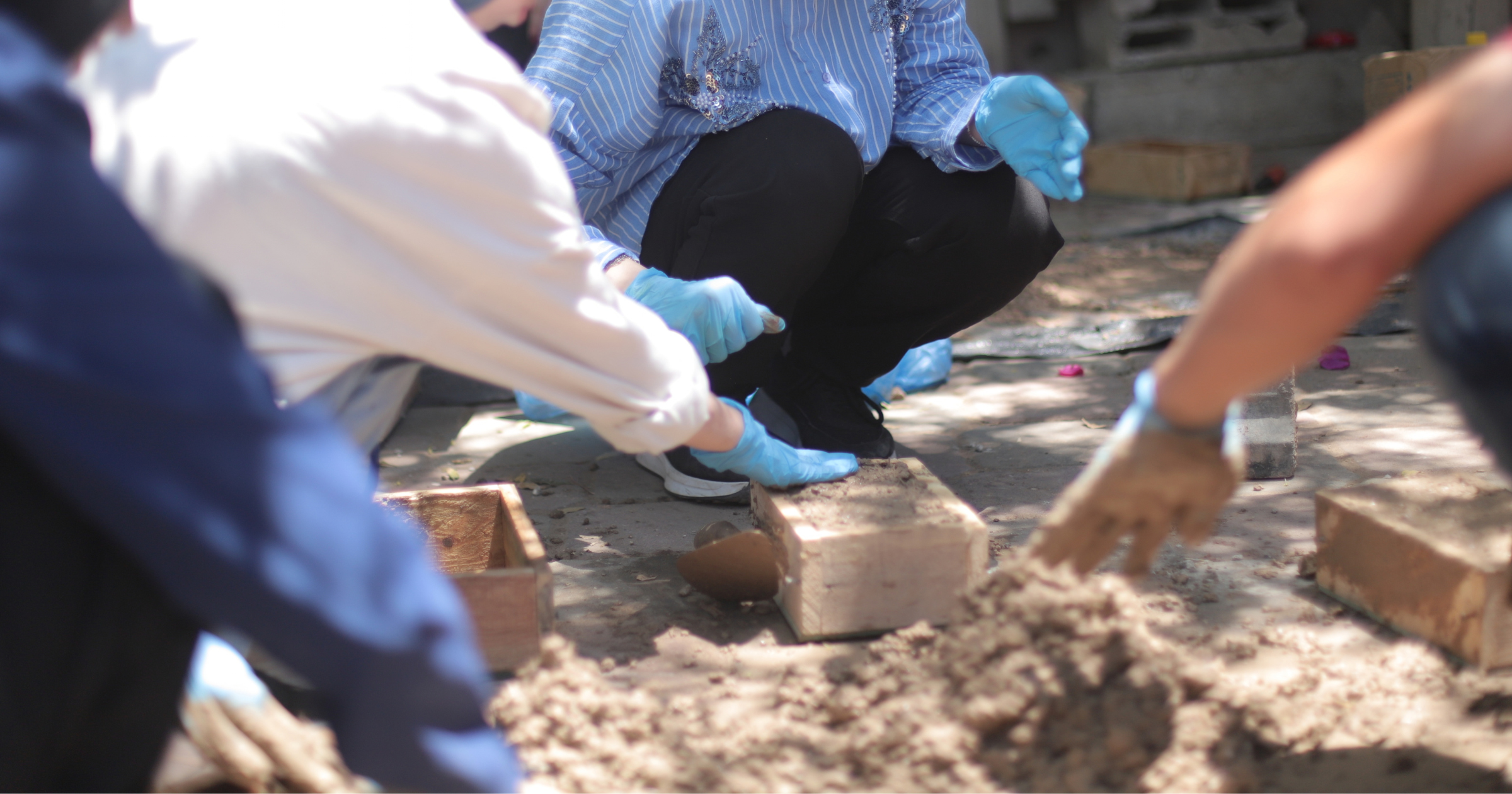
The workshop took four hours in total, combining theory with hands-on learning. Tala and Farah introduced Build Hope, explained the block-making process and demonstrated how to do it safely using simple techniques. Participants then split into small groups, with a volunteer supervising them as they made their own blocks and learned how to pass the process on to others.
We believe in making things collectively, so anyone can use it.
Tala Mousa, 17 years old, Founder of Build Hope
Rubble is crushed to make the blocks. Video by Ali Awad.
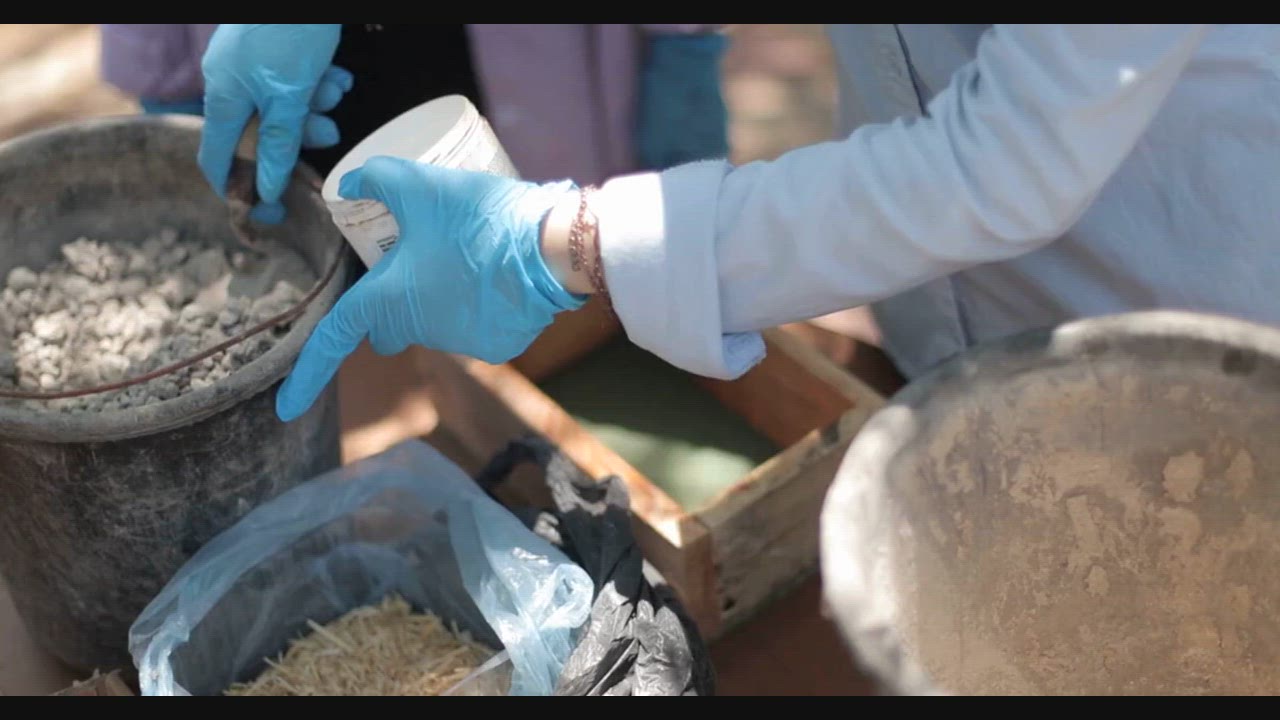
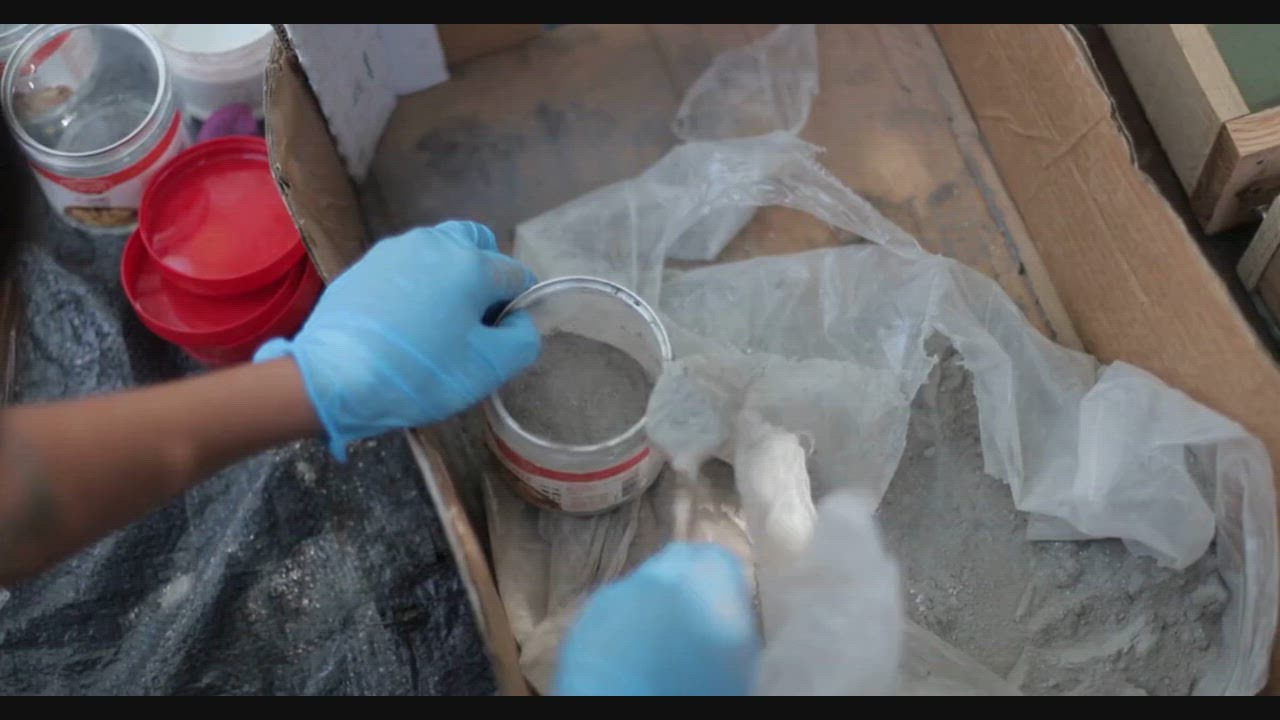
Build Hope use binders such as clay, ash, or glass powder. Video by Ali Awad.
A key element of the project is making the process accessible to everyone. By teaching others how to make the blocks and sharing the knowledge and skills behind them, Tala and Farah hope to create a ripple effect, allowing more people to take the process into their own communities. Since the workshop has taken place, the 50 participants have shared their new skills with others, reaching over 120 people trained in the technique across Gaza and the MENA region.
Today we were with the Build Hope team. The idea was astonishing and we had so much fun. We hope to help implement the project across the whole Gaza strip.
Workshop participant
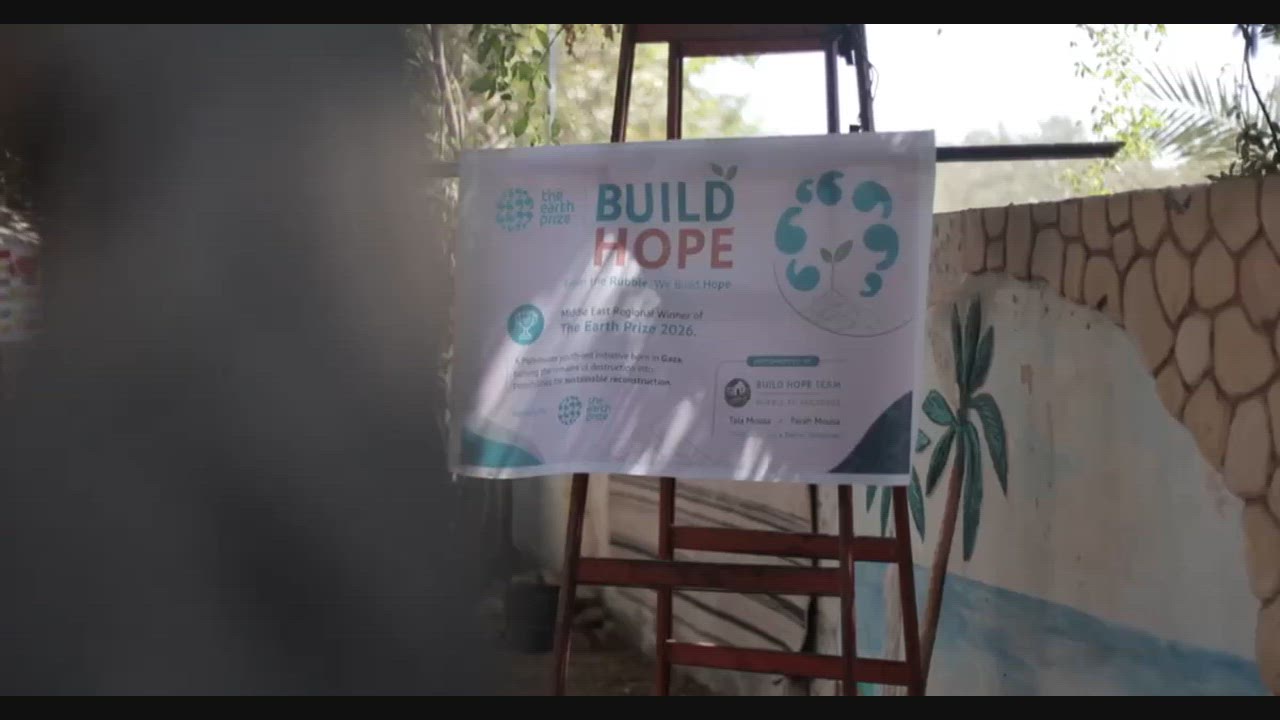
Build Hope's workshop set up. Video by Ali Awad.
Tala and Farah developed ‘Build Hope - Palestine’ as participants in The Earth Prize 2026. Living in Gaza amid ongoing conflict, and after their house was bombed, the sisters set out to develop a practical solution that could work within the constraints around them. Their project transforms rubble from damaged buildings into reusable, non-load-bearing blocks for applications such as garden beds, pavements, and partitions.
The process involves crushing and sieving debris, then mixing it with binders such as clay, ash, or glass powder before moulding and drying it into blocks. By giving building rubble a second life, the project reduces waste while creating a practical new use for materials that would otherwise be discarded.
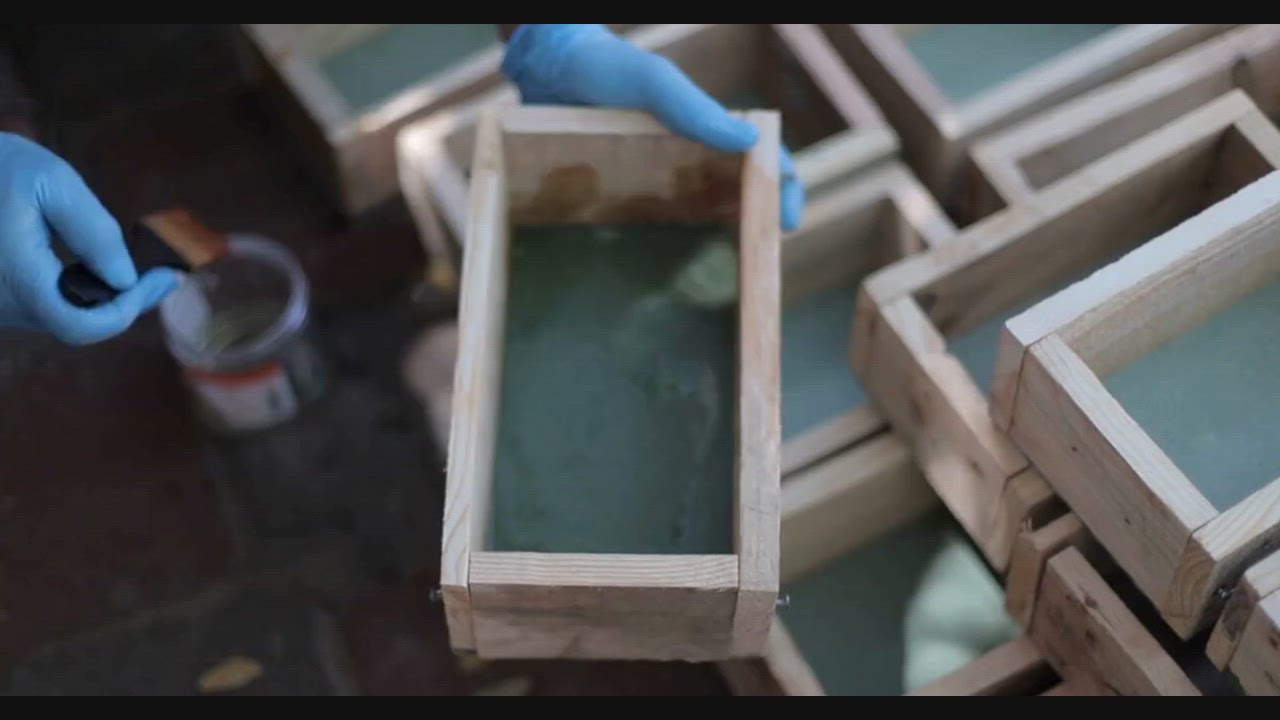
The moulds being prepared. Video by Ali Awad.
png
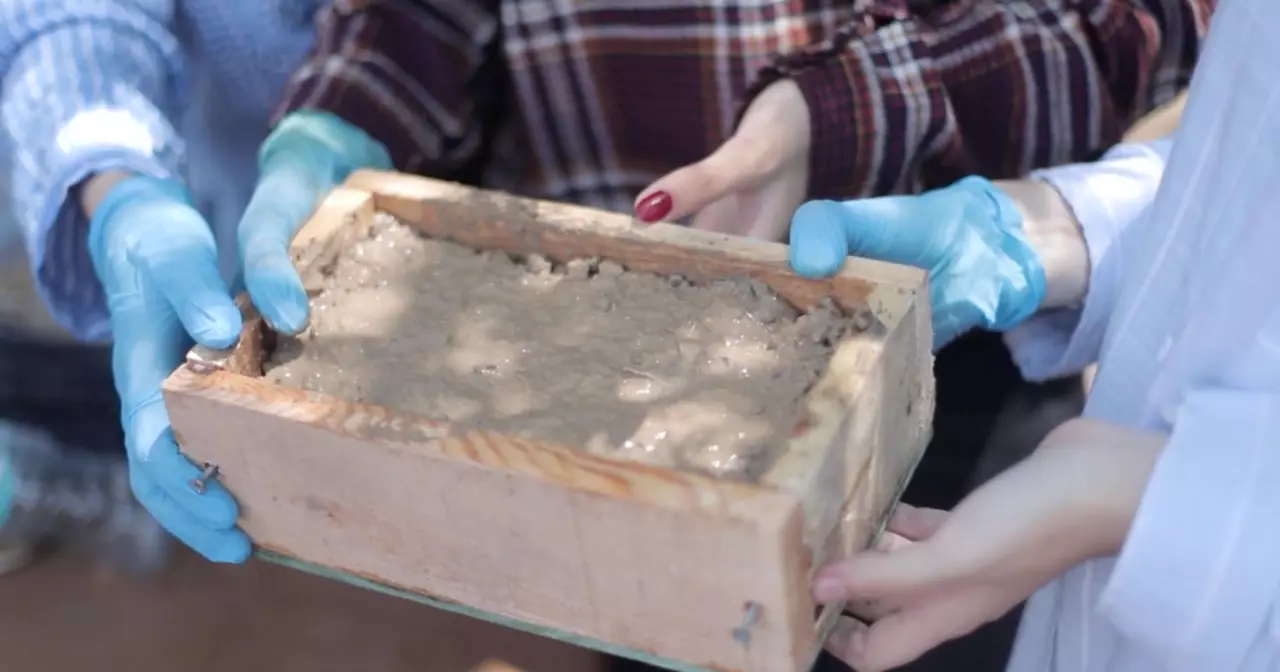
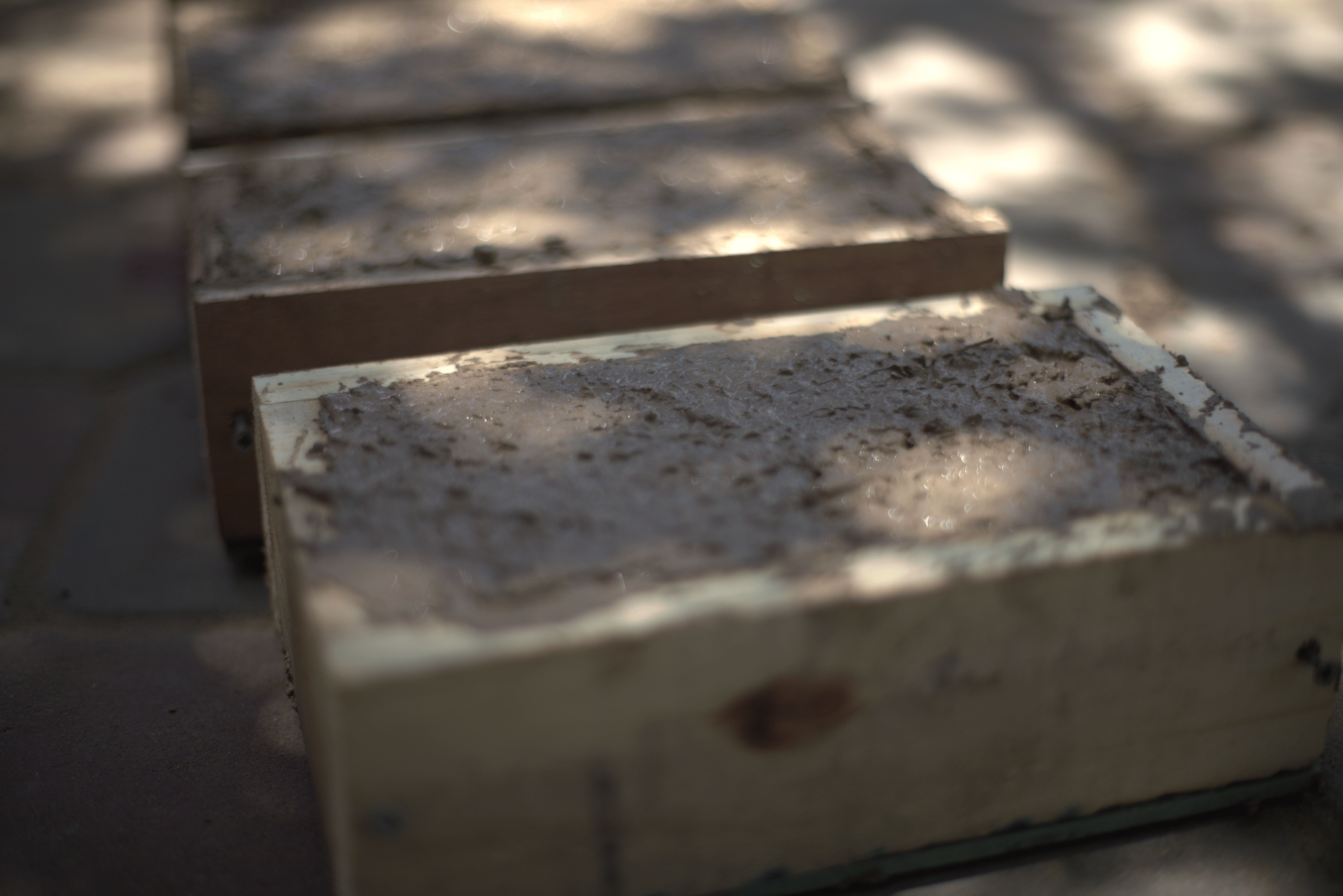
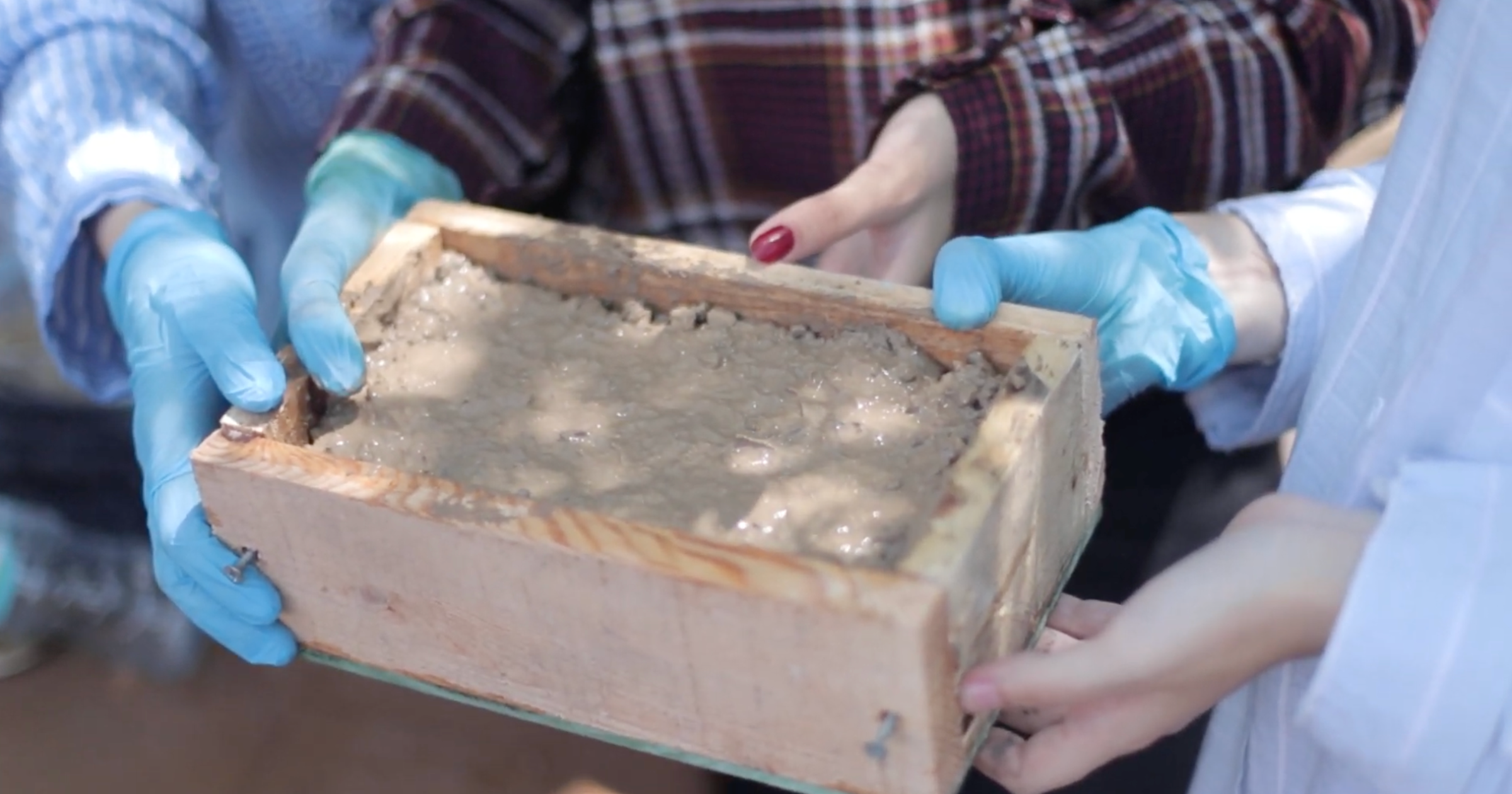
The mixture containing upcycled rubble and binders is placed into the wooden moulds. Photo by Ali Awad.
After submitting the concept to The Earth Prize, the team was selected as one of 35 Scholar teams across the world to receive mentoring and resources to develop their project further. In May 2026, they were named Regional Winners for the Middle East and won $12.5K to scale their project.
Like many students taking part in The Earth Prize, the team turned their personal experiences into a practical solution. Now in its fifth year, The Earth Prize has reached over 21,000 students across 169 countries and territories. Previous winners have been featured in leading international media including Forbes, BBC, the Financial Times, CBS, Business Insider, Euronews, and UN Today, with several teams advancing their ideas through patents, partnerships and commercial pilots.
The Earth Prize is run by The Earth Foundation, a non-profit based in Geneva, Switzerland, founded during the School Strike for Climate in 2019. At a time when climate anxiety affects a majority of young people - with 59% reporting they are very or extremely worried about the environment - the Prize provides a pathway from concern to action, equipping students with the tools to develop tangible, real-world solutions.
png
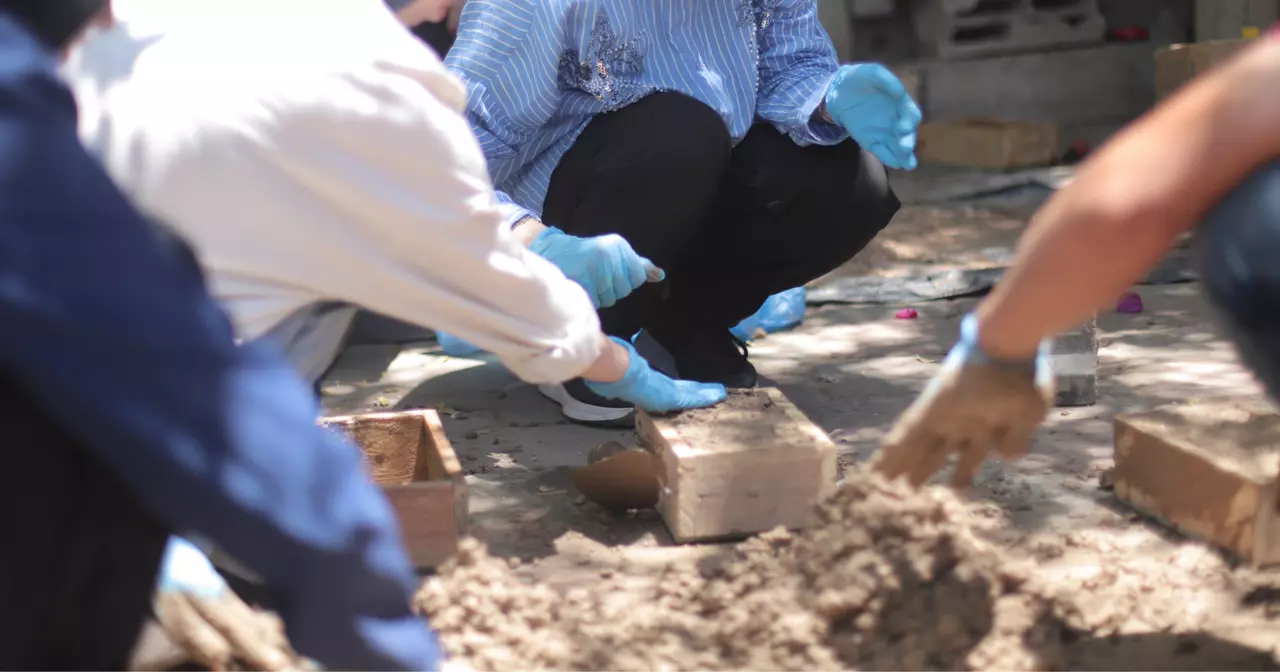
Young people collaborate to create their own blocks. Photo by Ali Awad.
png
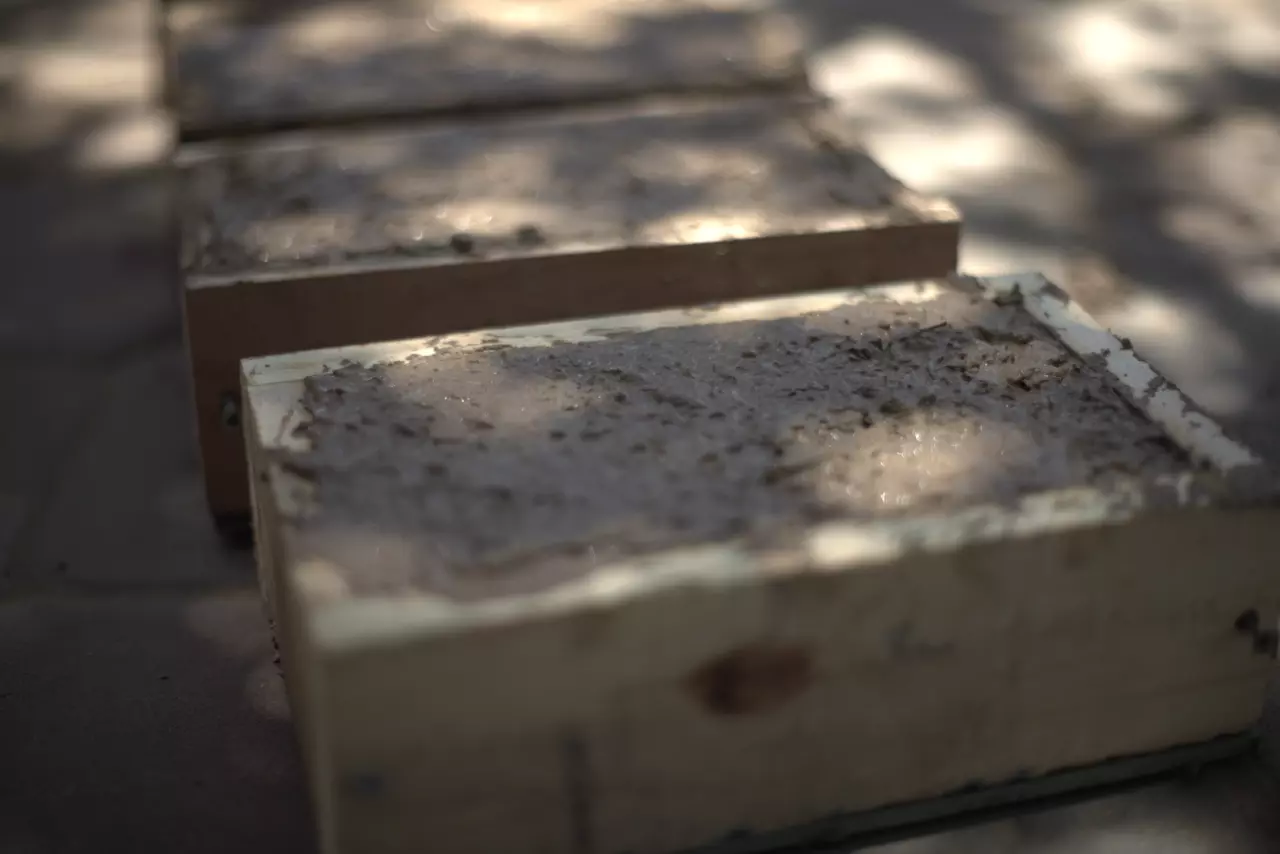
A finished block ready for the drying process. Photo by Ali Awad.
Looking ahead, Build Hope is set to continue expanding beyond this first workshop. The team’s next steps include a second workshop, where participants will paint the blocks, build a garden bed and train further volunteers in the process. By passing the skills on to others, Tala and Farah hope to extend the project’s reach across Gaza and beyond.
Ryan Honary's AI wildfire detection system, SensoRy AI, moves from testing to large-scale deployment in the cities of Irvine and Laguna Beach, helping communities detect fires earlier.
Sisters Tala and Farah Mousa, Earth Prize 2026 Middle East Winners, gain UNRWA recognition for Build Hope, a circular rubble-to-blocks project from Gaza.
Tomáš Čermák, Global Winner of The Earth Prize 2025, has been selected for Forbes Czechia's 30 Under 30, the prestigious annual list recognising the country’s most influential young leaders under t...
Discover Slum2School's sustainable eco park in Lagos using recycled materials for education, supported by Earth Prize winner Amara Nwuneli
Connect with our media team
Our team is here to help you craft stories that go beyond press releases - tailored, human-led features. Request an exclusive interview with The Earth Prize winners or founder Peter McGarry, get access to our insights on youth eco-anxiety, or brainstorm a feature idea with us.