The Earth Prize 2026: Vote for the Global Winner by 27 May
png
The public vote to crown the Global Winner of The Earth Prize 2026 is now officially open.
The Earth Prize is the world’s largest environmental competition and ideas incubator for teenagers aged 13-19 years, supporting young people to move bold climate ideas beyond the classroom and into real-world impact.
This year, more than 6,000 applications were submitted by young innovators from across the globe. From these entries, 35 top teams were selected worldwide, before seven Regional Winners emerged representing seven global regions: Africa, Asia, Europe, the Middle East, North America, Central & South America, and Oceania & Southeast Asia.
Every day last week, Monday 11 May to Sunday 17 May, each of these Regional Winners was revealed. From biodegradable bandages, to maize-based vehicle exhaust filters, to removing microplastics from drinking water, this year’s winning teams are proving that impactful climate action is not limited by age.
Each Regional Winner has already received $12,500 in funding to help scale their solution, from building stronger prototypes to creating impact in their communities.
Now, the final decision to choose the Global Winner goes global. The Earth Prize invites the public to discover the student-led projects and vote for the team they believe should be announced the Global Winner before Wednesday 27 May.
Who will be crowned the Global Winner?
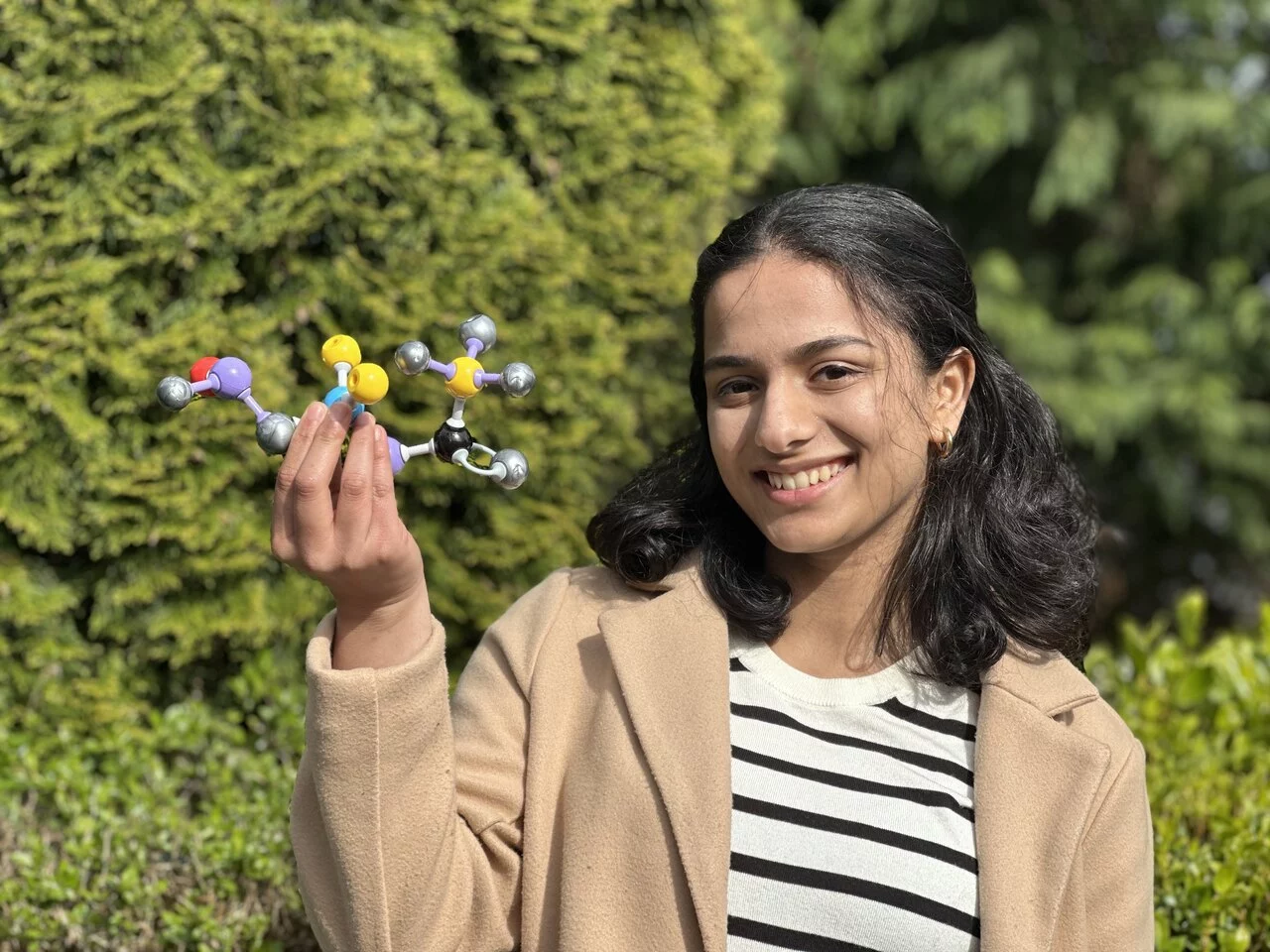
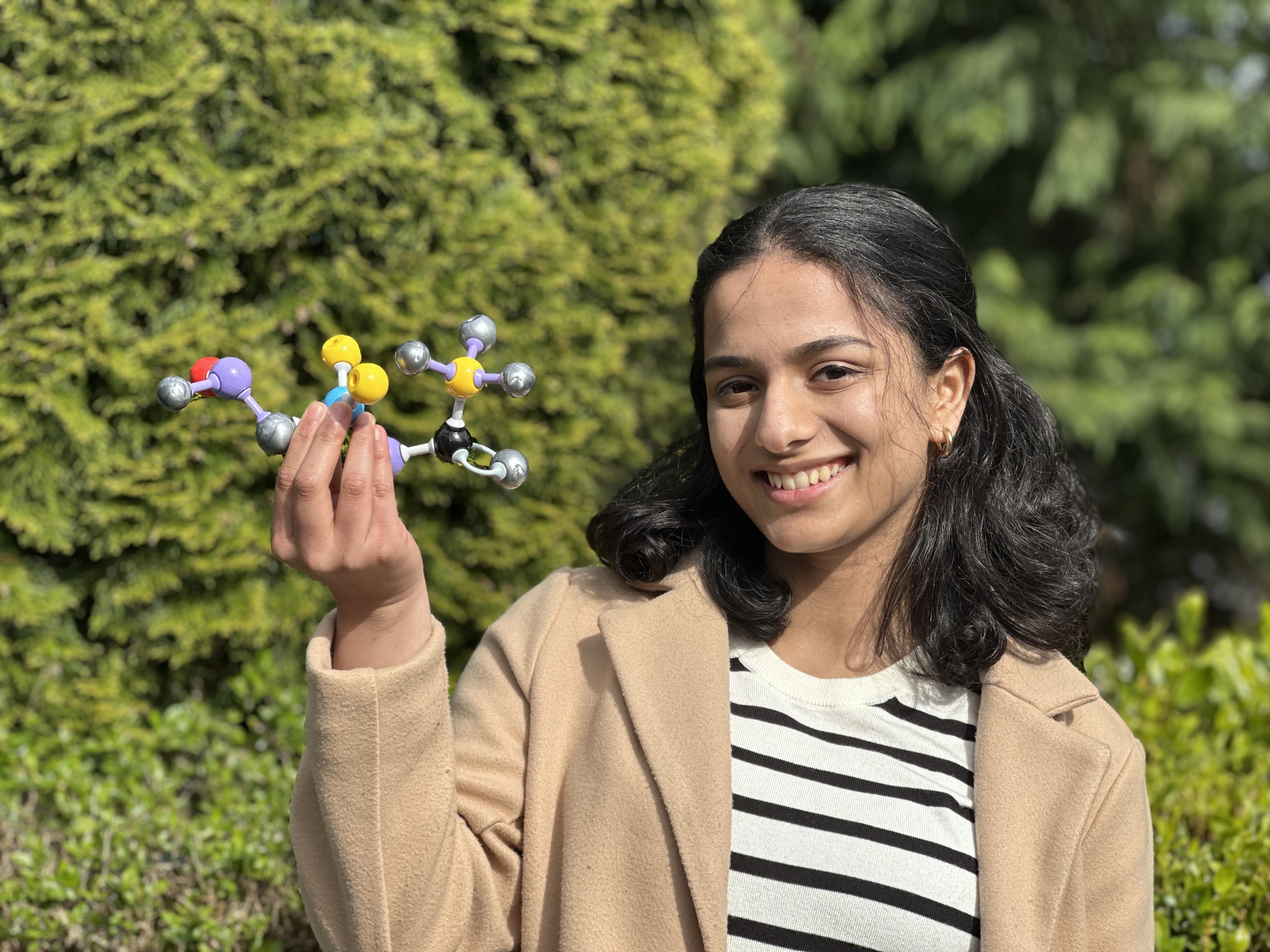
Europe (Ireland) - Eco-purge
jpeg
Arya Satheesh has created a biodegradable plastic that breaks down safely and releases catalysts to remove existing microplastics.
Plastic pollution doesn’t just disappear, it breaks into tiny pieces that stay in our environment. I wanted to create something that could help tackle that problem directly. Eco Purge is designed to both replace plastic and help remove existing microplastics, and this is just the beginning , and I hope it can become a scalable solution that makes a real difference.
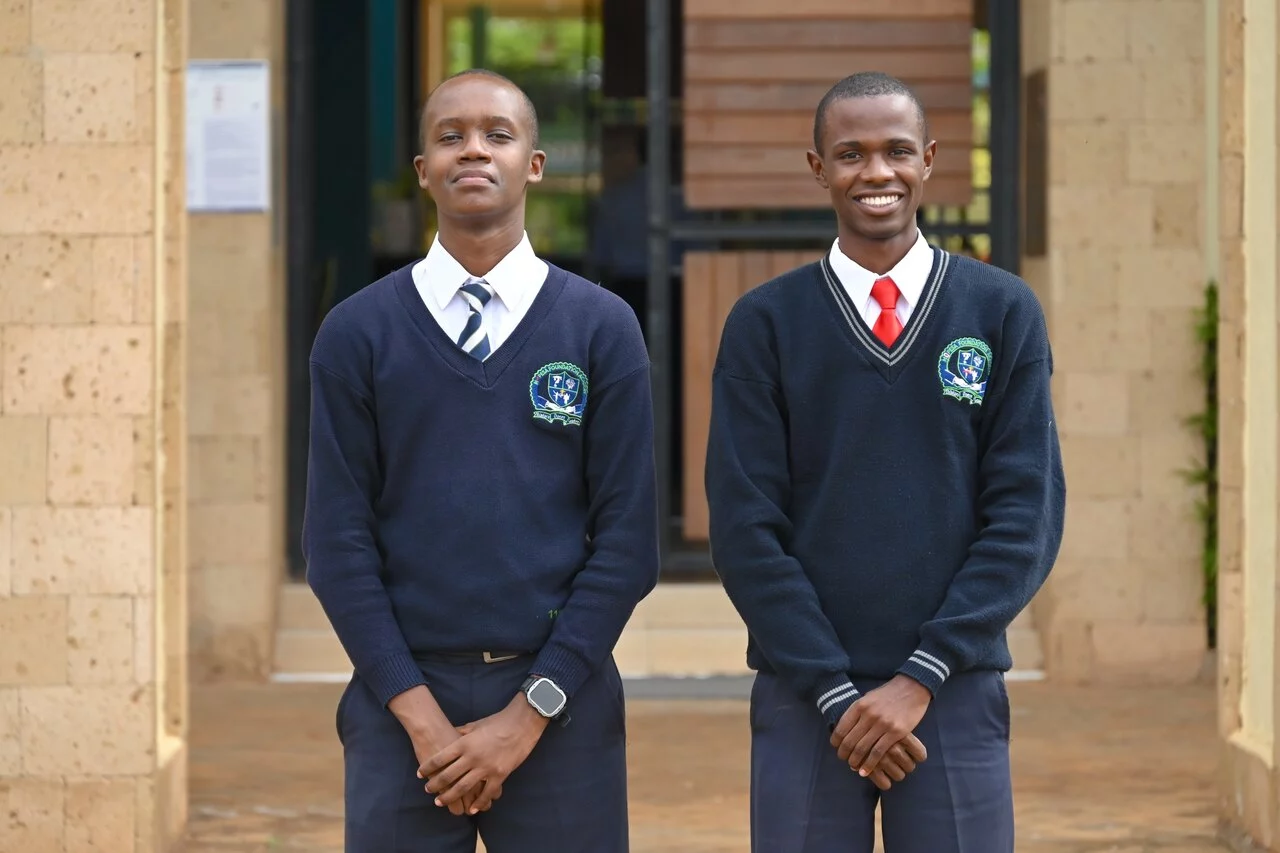
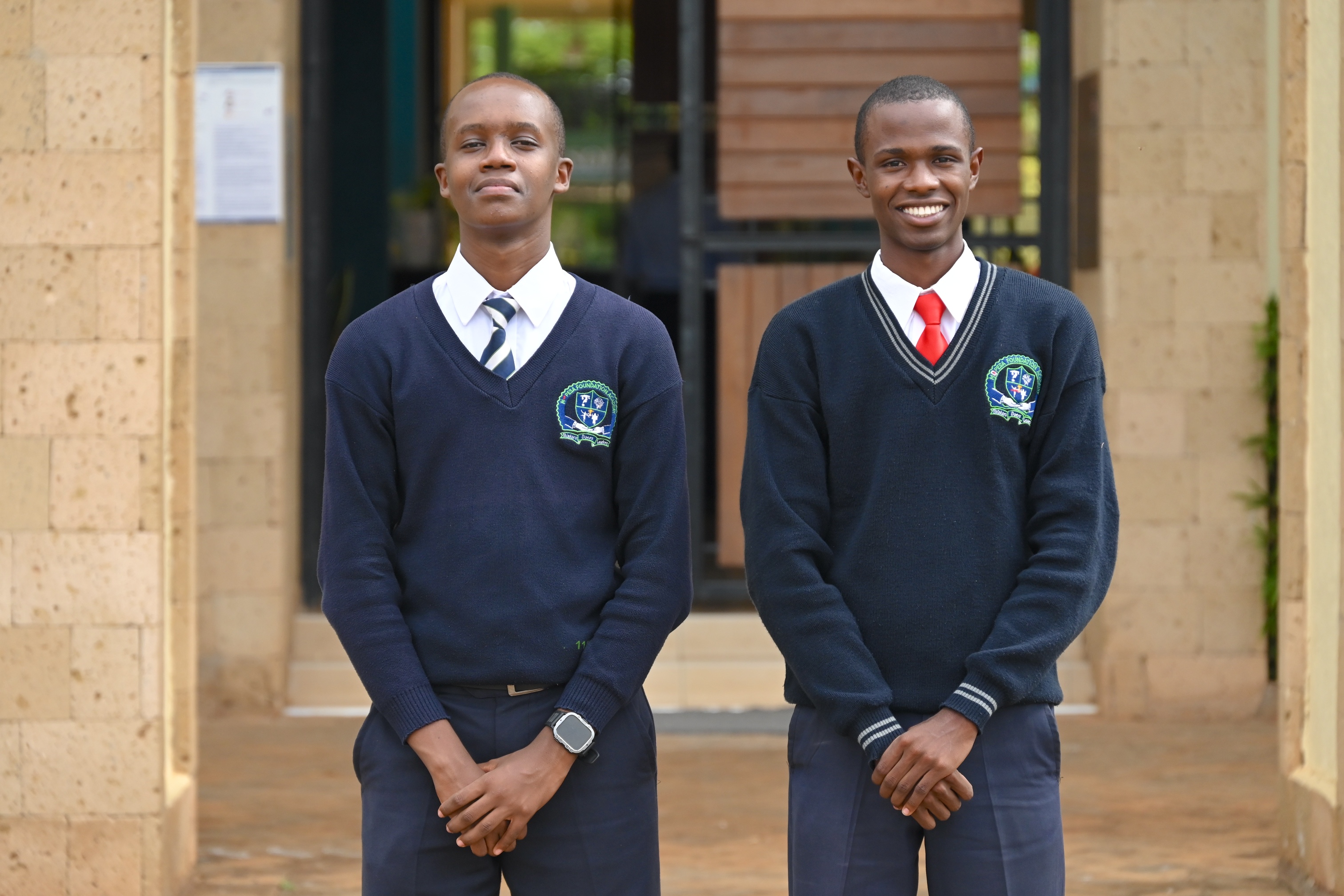
Africa (Kenya) - HewaSafi Innovators
jpg
Fredrick Njoroge Kariuki and Miron Onsarigo have created a low-cost vehicle exhaust system that captures emissions using filters made from maize, coconut, agricultural waste and algae.
I didn't choose this problem, it chose me. Growing up in Naivasha, my bronchitis got bad enough that I stopped thinking of air pollution as an environmental issue and started thinking of it as something being done to us. HewaSafi is our answer to that.
Fredrick Njoroge Kariuki
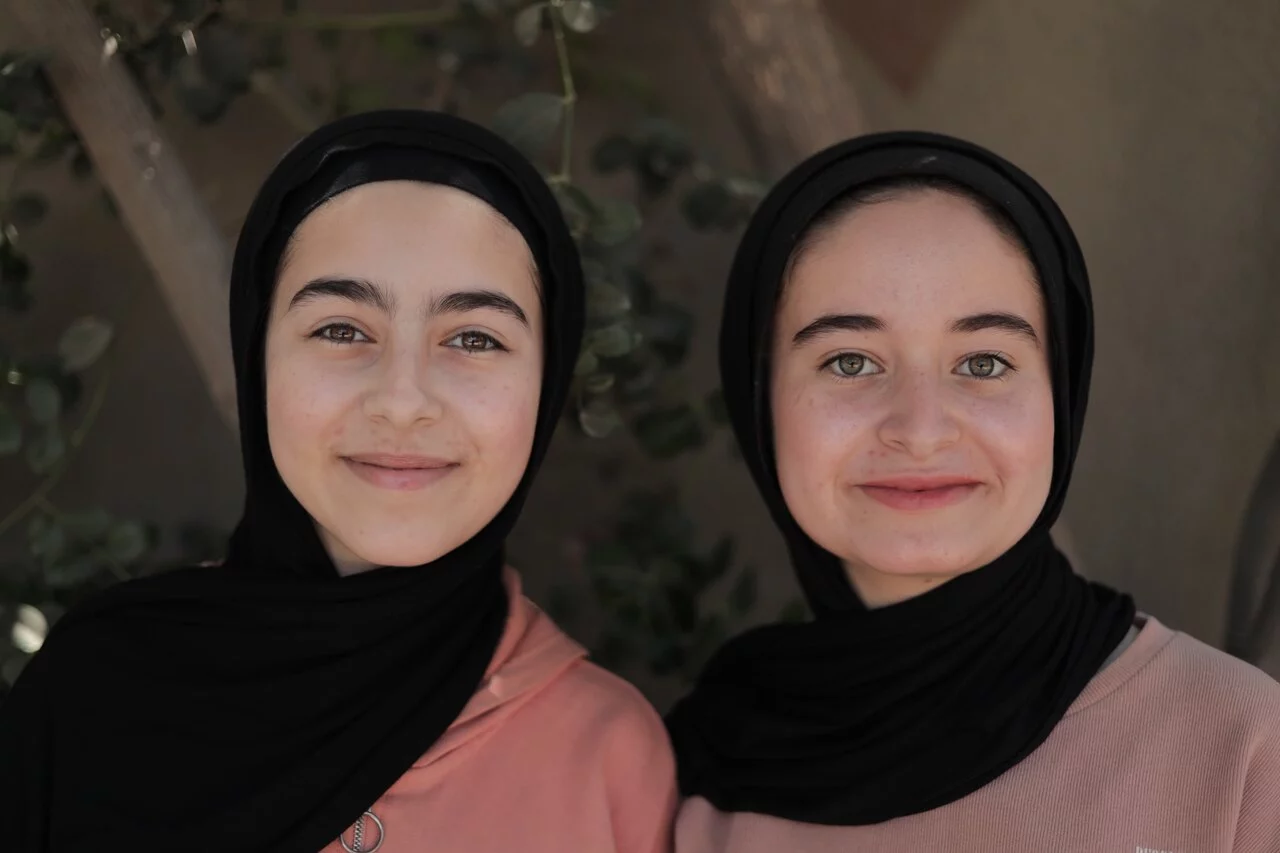
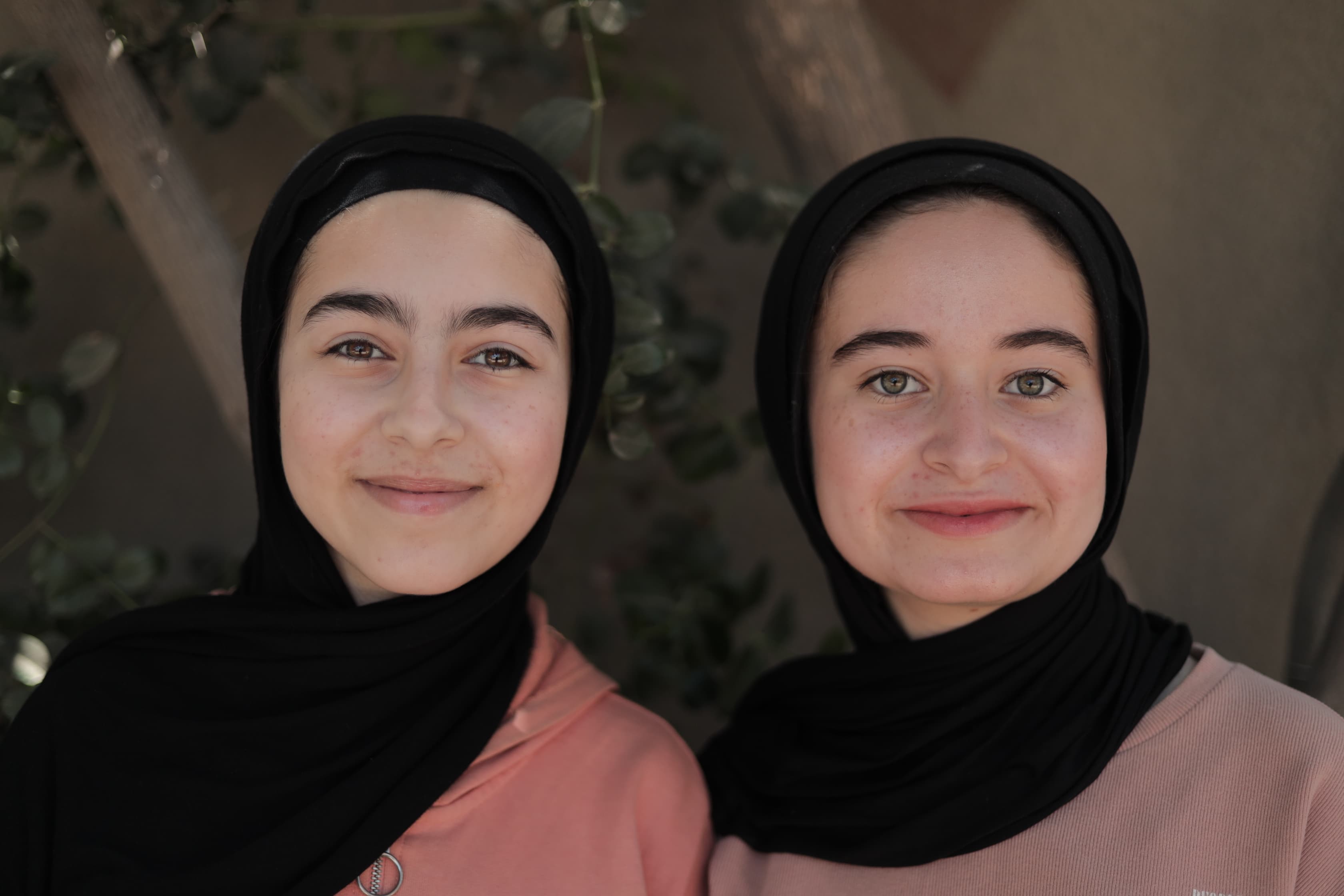
Middle East (Palestine) - Build Hope
jpg
Farah Mousa and Tala Mousa, by Ali Awad
Tala and Farah Mousa are turning rubble into reusable blocks, bringing young people together to rebuild their communities.
The view from our tent window is what keeps us always motivated. The large amount of rubble and the lack of accessible rebuilding solutions inspire us to work on this project. The solution is decentralised, low-cost and relies on locally available materials. It’s designed to be replicated by communities without heavy machinery or specialised infrastructure, and turn what was once destruction into a starting point for hope.
Tala Mousa
Asia (India) - Plas-Stick
jpeg
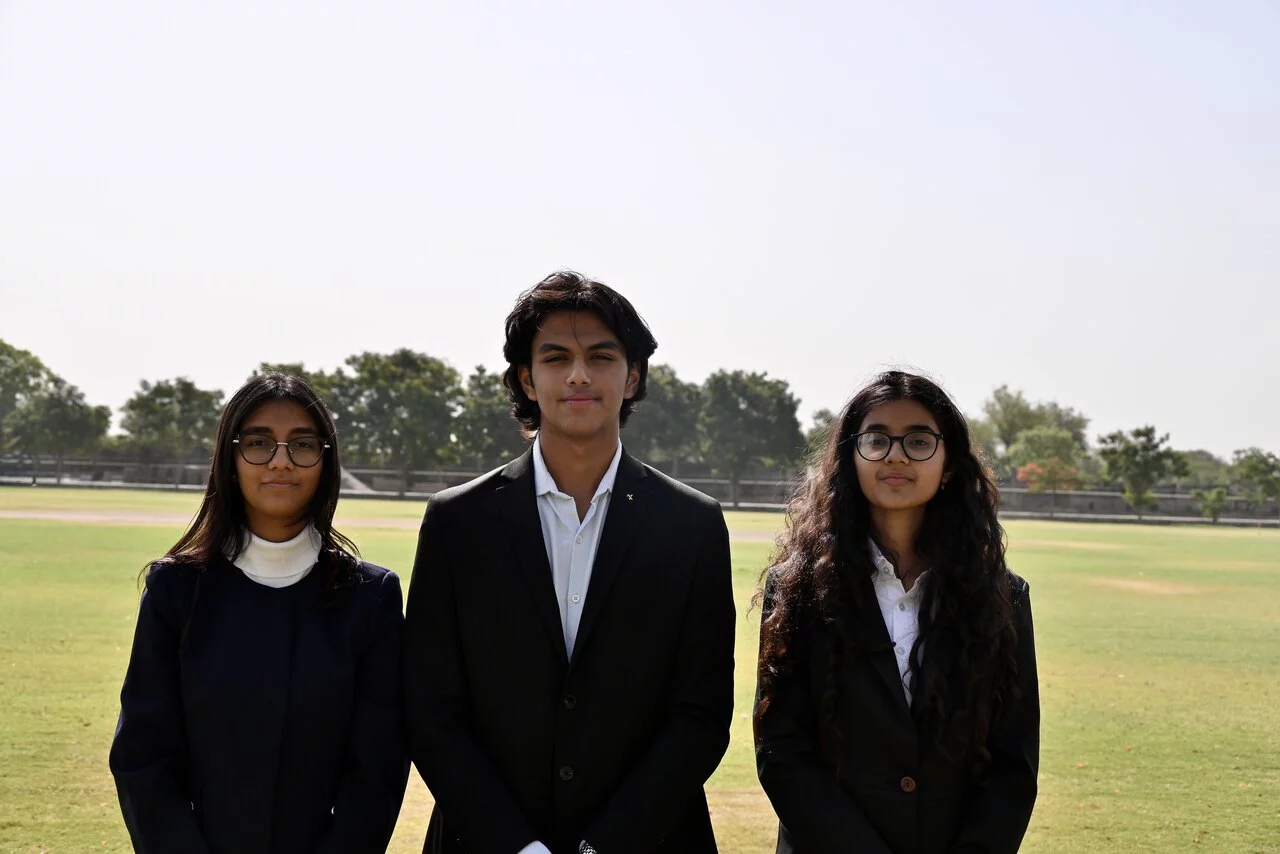
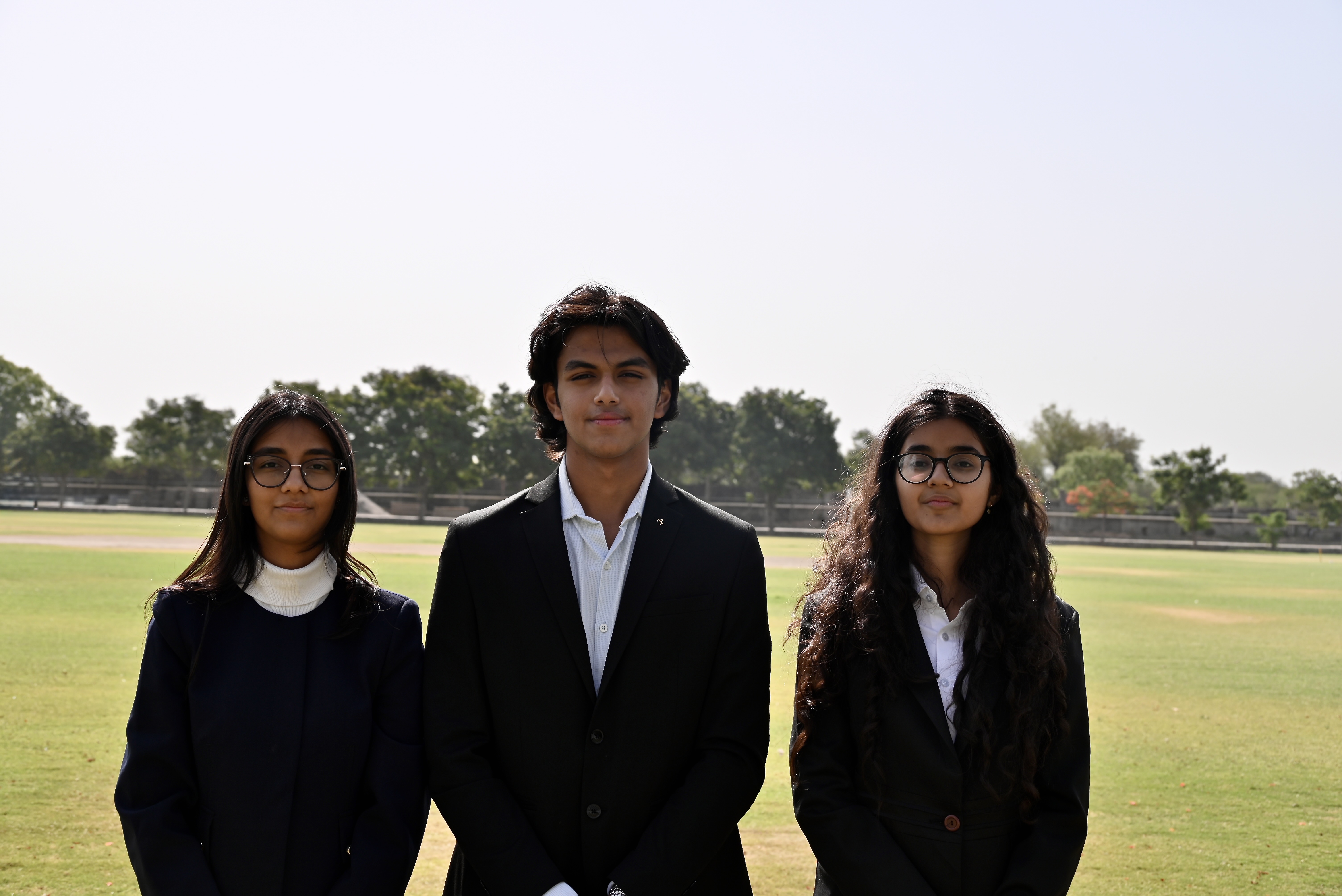
Team Plas-Stick Avyana Mehta, Vivaan Chhawchharia, Ariana Agarwal
Vivaan Chhawchharia, Ariana Agarwal and Avyana Mehta invited a powder made from waste tamarind seeds that clumps microplastics for easy removal from water with a handheld magnet.
Winning The Earth Prize is incredibly meaningful for us, because it validates a problem that is often invisible but affects communities across India every day. Plas-Stick was designed to be simple, affordable and accessible, and this support allows us to take it beyond pilot schools and scale it to many more communities that need it most!.
Vivaan Chhawchharia, Ariana Agarwal and Avyana Mehta
Oceania & Southeast Asia (Thailand) - Homes for Hornbills
JPG
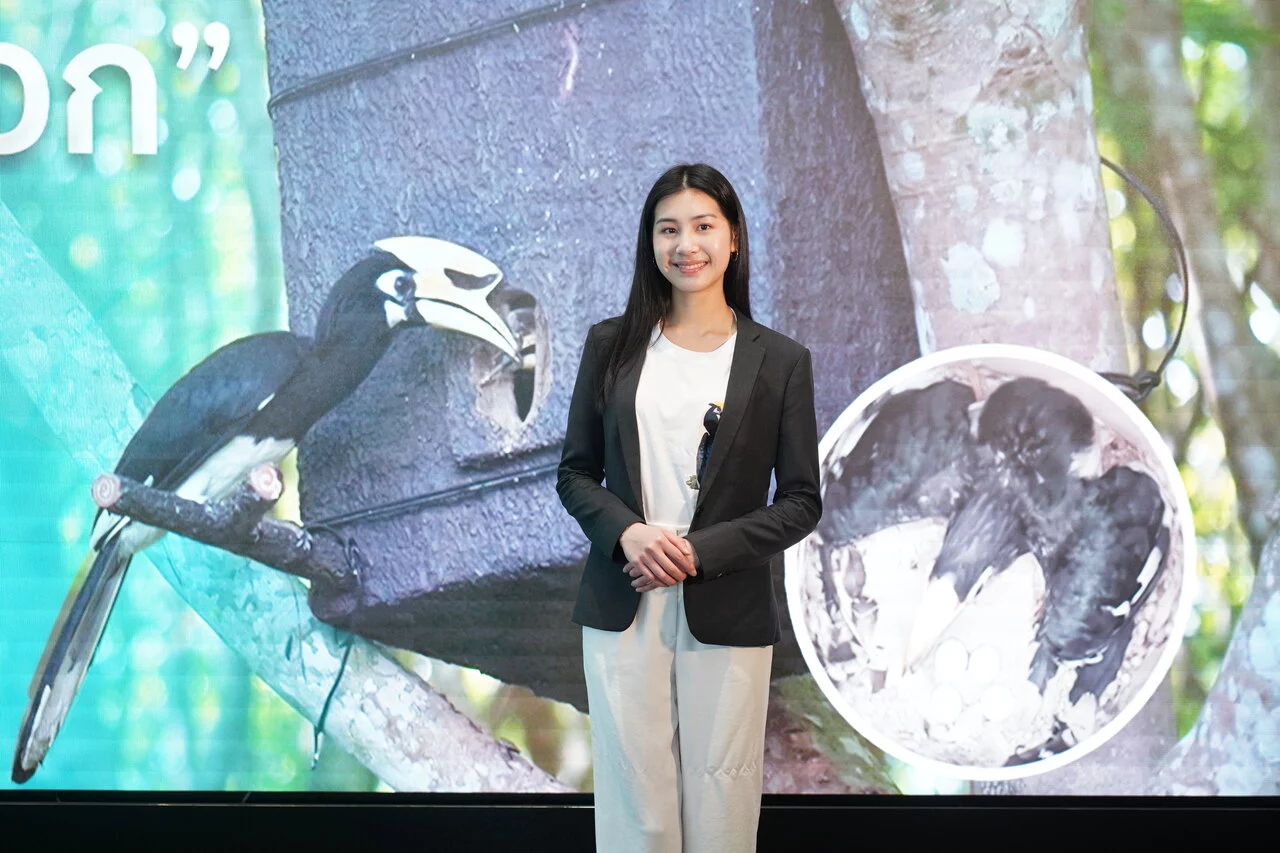
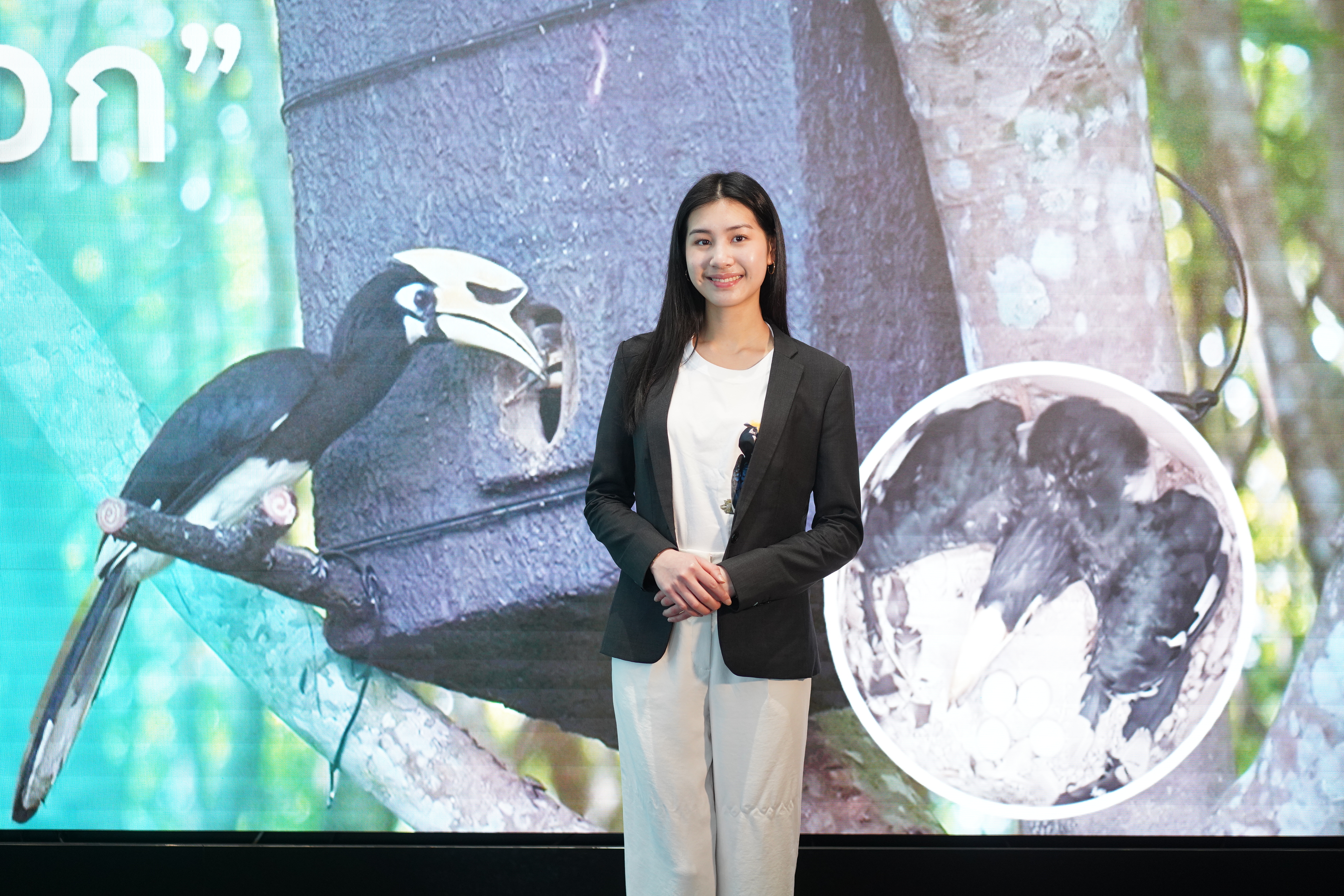
Yanin (Proud) Tangkaravakoon and presentation
Yanin (Proud) Tangkaravakoon’s project is protecting hornbills, vital seed dispersers in forests, through nests made from upcycled plastic bottles and community conservation.
Seeing how important hornbills are to forests made me realize how urgent it is to protect them. Winning the Earth Prize gives me the chance to scale this work by expanding nest deployment and partnering with local communities to create long-term solutions for both wildlife and the forests they sustain.
Proud Tangkaravakoon
North America (Puerto Rico) - SargaTex PR
JPG
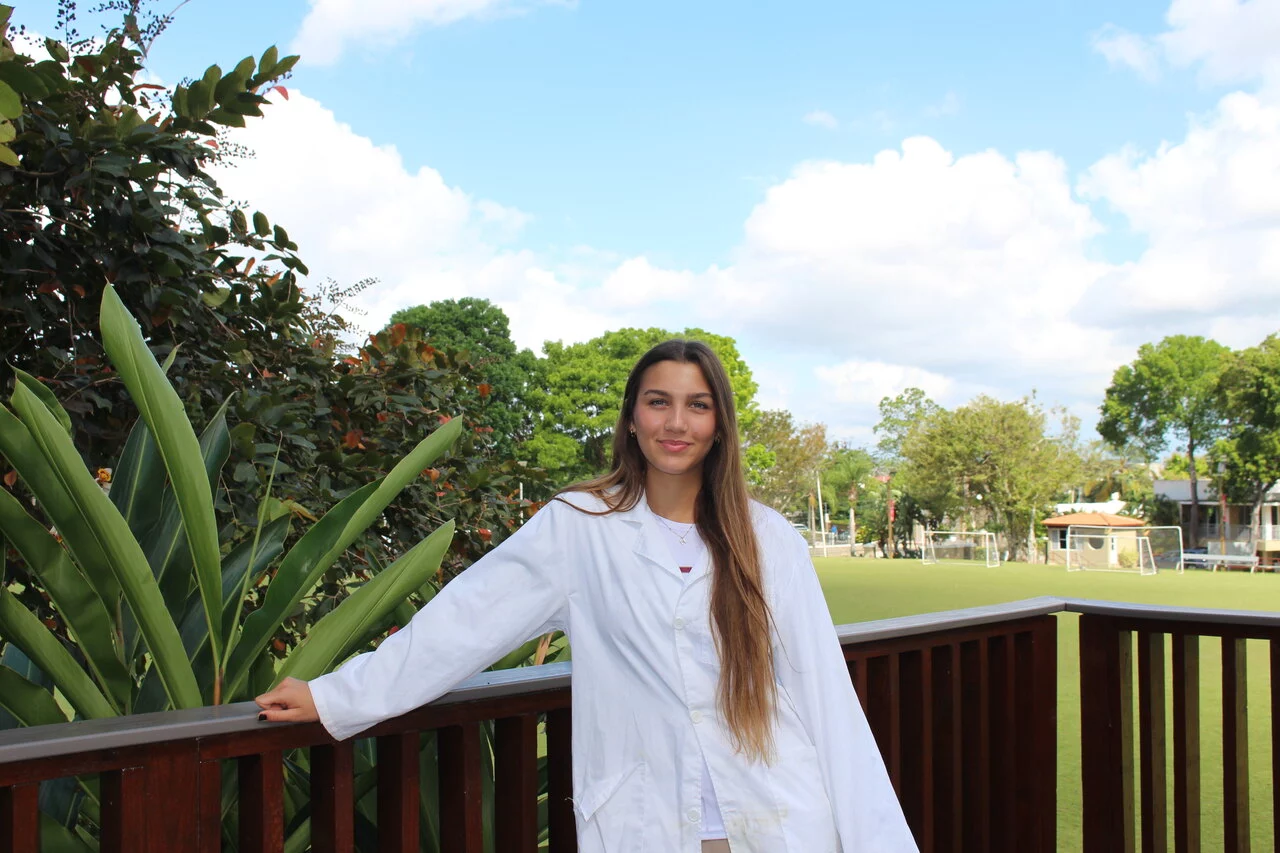
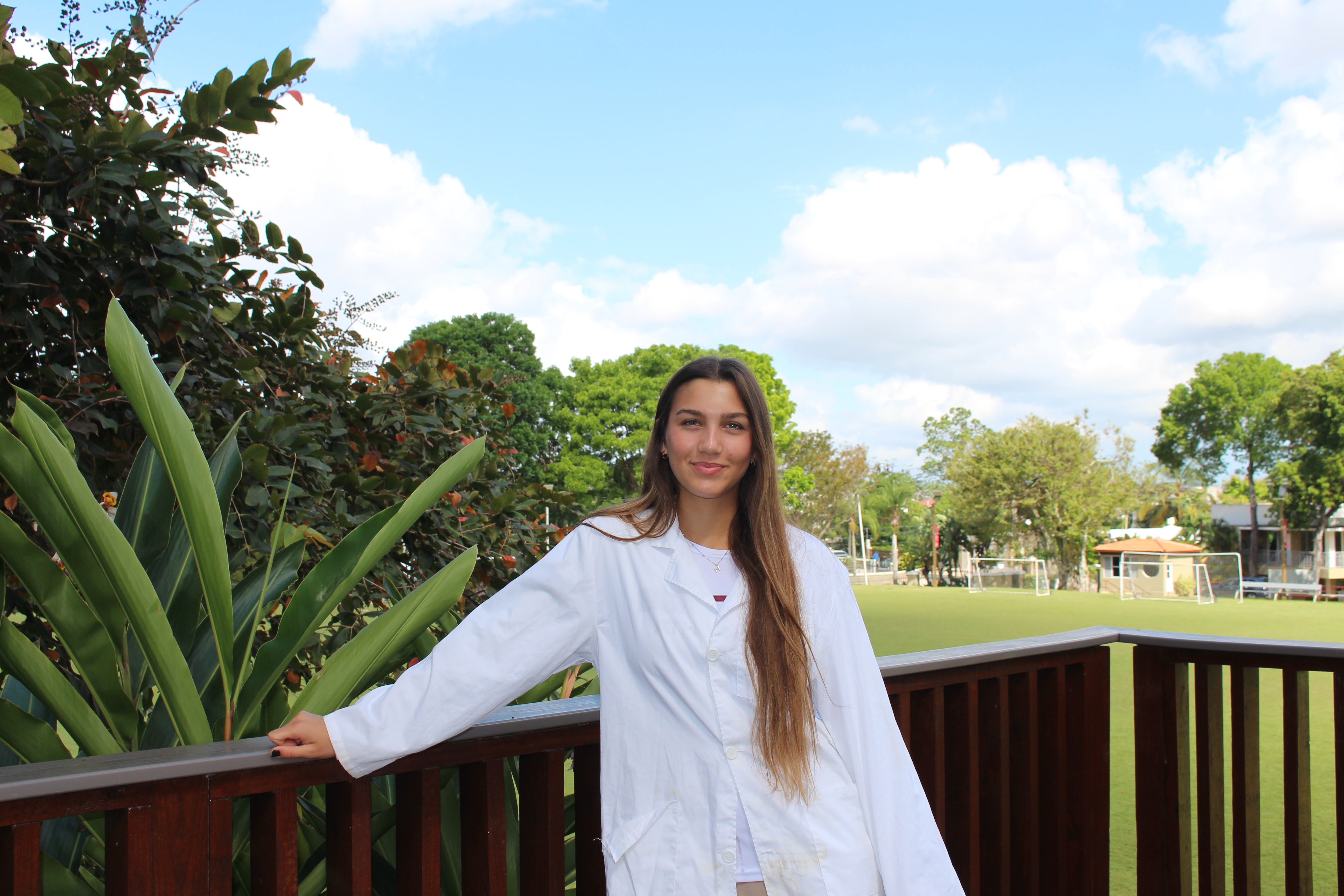
Helena do Rego
Helena do Rego is working on a biodegradable fabric made from sargassum seaweed used for clothing and footwear.
Seeing how sargassum was taking over our beaches made me realise how urgent the problem had become. Winning The Earth Prize gives me the chance to further develop SargaTex PR and scale a solution that turns waste into materials that are better for both people and the planet.
Helena do Rego
Central & South America (Brazil) - HADA
jpeg
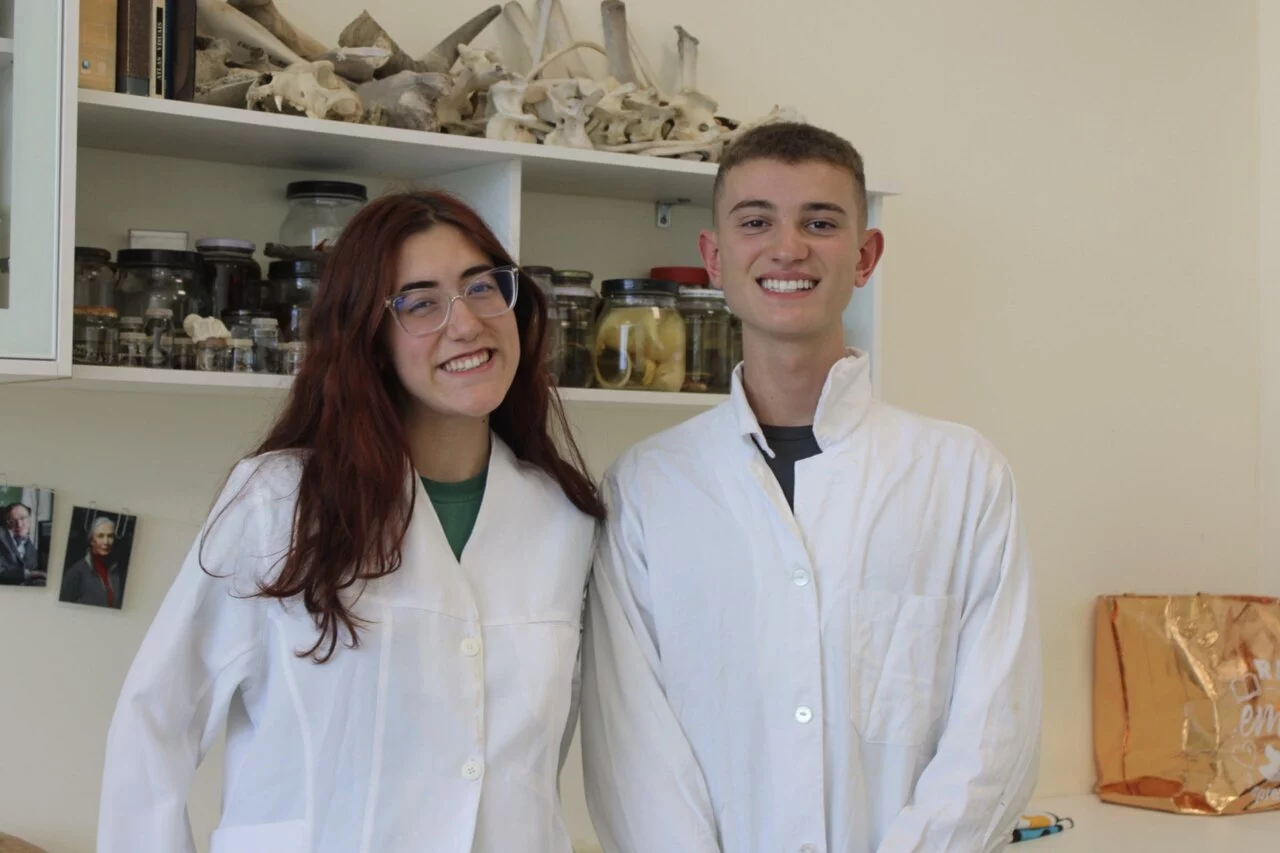
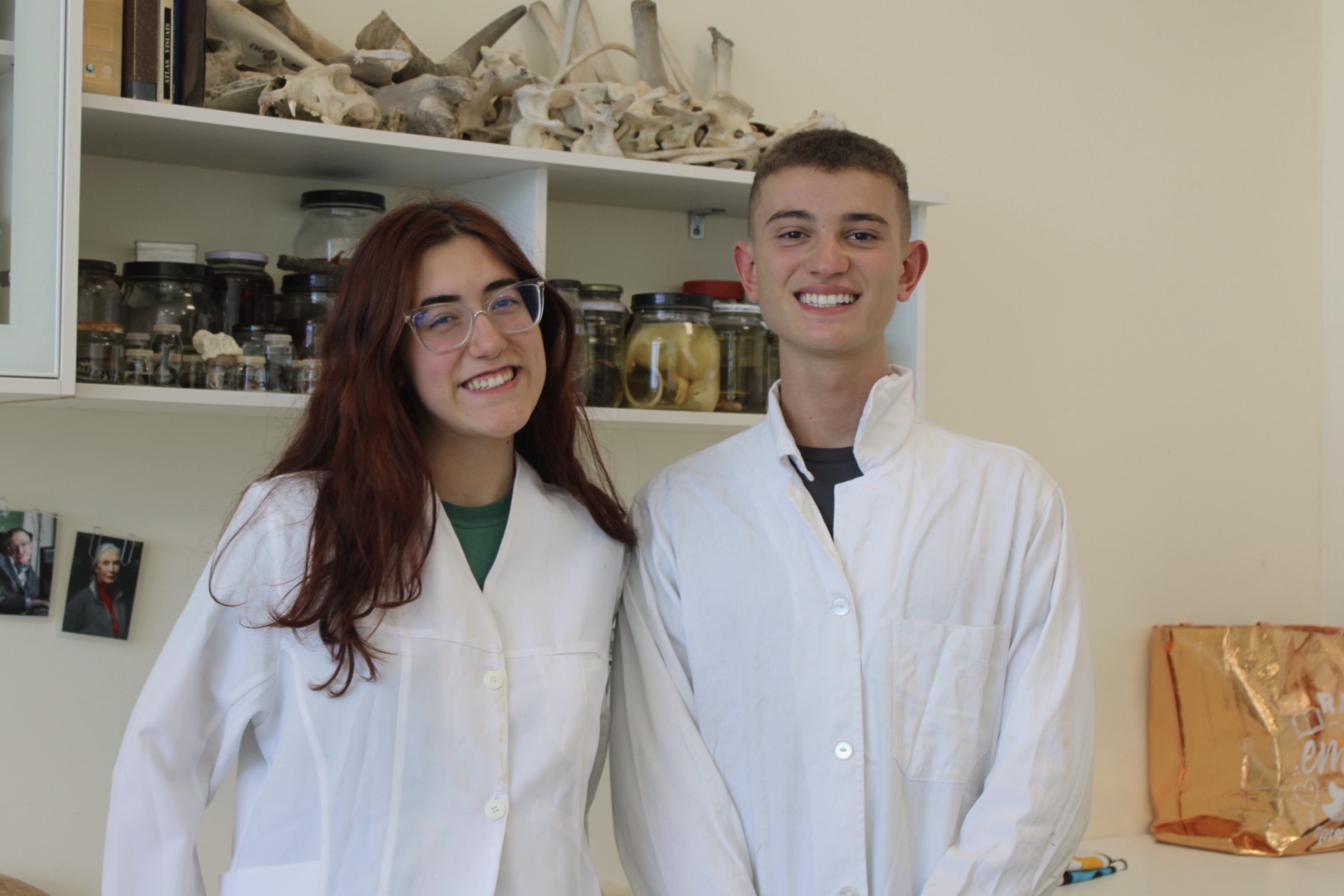
Ísis Valentin and Bernardo Mattos Renner
Bernardo Renner and Ísis Valentin created biodegradable bandages made with aloe vera and chamomile that replace plastic with plant-based alternatives.
We started by trying to solve a problem we experienced ourselves, but quickly realised it was much bigger than that. Something as small as a bandage is used by millions of people every day, yet it creates waste and doesn’t always support healing. Winning The Earth Prize gives us the chance to bring Hada into real world use and solve an exponential problem: the human plastic dependency.
Bernardo Renner and Ísis Valentin
The final announcement will be made in the Earth Prize awards ceremony on Friday 29 May. Vote now and choose your Global Winner by Wednesday 27 May, here:
Today, on Earth Day, The Earth Prize 2025 has named its Global Winner: an exceptional teen duo from Czechia and Slovakia. 18-year-old Tomáš Čermák and 19-year-old Anna Podmanická have developed PUR...
The Winning team FloodGate (US, aged 17-18 years) have invented a revolutionary flood prediction and warning technology that can save hundreds of thousands of lives globally
Connect with our media team
Our team is here to help you craft stories that go beyond press releases - tailored, human-led features. Request an exclusive interview with The Earth Prize winners or founder Peter McGarry, get access to our insights on youth eco-anxiety, or brainstorm a feature idea with us.